

Hitchhiking has long been an iconic part of travel culture, symbolizingfreedom,spontaneity, and the thrill of meeting new people while exploring the world on a budget. As someone with extensive experience in travel and a deep understanding of legal frameworks, Ive seen firsthand how thelegality of hitchhikingvaries widely across regions, making it crucial for any traveler to know the laws before setting out.
In many countries, including much of theUnited StatesandEurope, hitchhiking remains legal, provided you follow specific safety rules such as not standing directly on roadways or highways. However, some states and countries have outright bans or restrictions, often driven by safety concerns or traffic regulations.
Find Bleeding Edge Supplements at Scandalous Prices on iHerb.

Understanding these legal nuances is essential for anyone considering hitchhiking, as laws can differ not only internationally but also within states or provinces. For example, while hitchhiking is legal in 44 U.S. states, places like New York, Nevada, and Pennsylvania have stricter regulations.In Europe, hitchhiking is generally accepted and even encouraged in countries like Poland and Israel, where it has cultural significance.
This guide will provide a comprehensive look at where hitchhiking is legal, where it is prohibited, and practical tips on how to engage in this adventurous travel method safely and lawfully. By blending my expertise with up-to-date legal insights, I aim to help you navigate the complex landscape of hitchhiking laws with confidence and respect for local rules.
Get 10% OFF ACEBEAM High-Power Lighting Tools for Hiking

1. What is Hitchhiking?
Hitchhiking involves standing by the roadside and signaling to passing vehicles for a ride. This practice often requires a good amount of trust between the hitchhiker and the driver. It is as much an art as it is a method of travel, relying on the hitchhiker's ability to communicate non-verbally with drivers and gauge the safety of potential rides.
While it may sound like a simple way to travel, the legal implications can complicate matters. Different regions have their interpretations of what constitutes hitchhiking, often influenced by cultural perceptions and historical precedents.
Beyond the legal considerations, hitchhiking is also a social interaction. It involves a mutual understanding and sometimes an unspoken agreement on parting ways safely. Many who partake in hitchhiking are drawn to the unexpected nature of the journey, where the destination is often secondary to the experience itself. Nevertheless, the dynamic between hitchhiker and driver must always be carefully managed to ensure the safety and comfort of both parties.
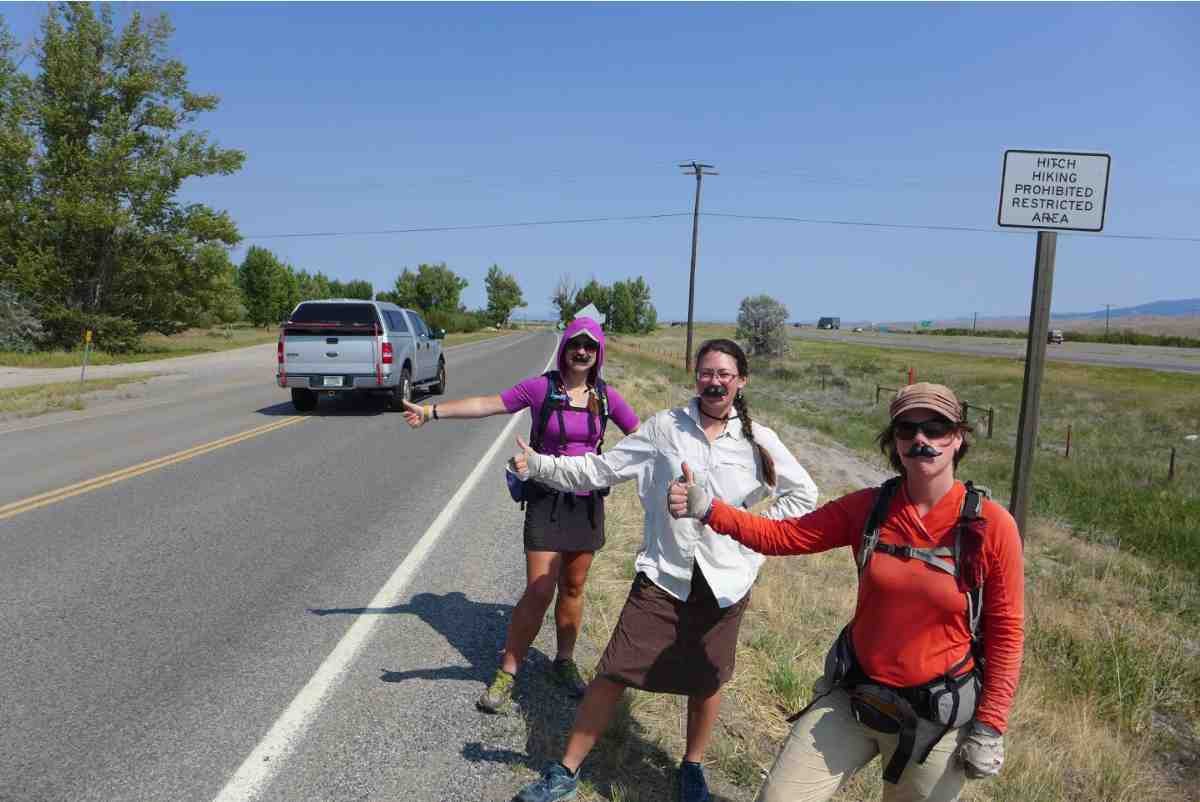
2. Why is Hitchhiking Illegal in Some Places?
Safety Concerns
One of the primary reasons hitchhiking is illegal in some areas is safety. Authorities often cite concerns over potential harm to both the hitchhiker and the driver. The roadside is inherently dangerous, and adding pedestrians trying to catch a ride increases the risk of accidents. For instance, a driver who is distracted by a hitchhiker might inadvertently cause an accident. Additionally, accepting rides from strangers or offering them can lead to unsafe situations for both parties involved. There are numerous documented cases of hitchhiking encounters gone wrong, which further prompts authorities to discourage the practice.
Beyond physical safety, there's also an emotional and psychological aspect to consider. Both hitchhikers and drivers must be comfortable with each other, and any perceived threat can make the journey stressful. In areas where hitchhiking is less common, drivers may be suspicious or fearful of picking up strangers. This mutual anxiety can create an environment ripe for misunderstandings or, in the worst cases, confrontations.
Traffic Disruptions
Hitchhiking can also disrupt the flow of traffic. Cars stopping unexpectedly to pick up hitchhikers can cause congestion and accidents. This potential for disruption leads many jurisdictions to ban or heavily regulate the practice. When vehicles suddenly pull over, it can surprise other drivers, leading to sudden braking and potential collisions. Furthermore, hitchhikers waiting in unsafe spots can put themselves and others at risk, especially on busy roads.
In urban areas, where traffic is already congested, the presence of hitchhikers might exacerbate the problem. Cities are more likely to have public transportation options, making hitchhiking less necessary and thus less tolerated. In rural or less populated areas, however, hitchhiking might not cause as much disruption, and laws may be more relaxed as a result.

3. Is Hitchhiking Legal in the United States?
In the United States, hitchhiking laws vary greatly. Generally, it's not outright illegal to hitchhike, but there are restrictions. Many states prohibit hitchhiking on highways and interstates due to safety concerns. The rationale is that these roads are high-speed and do not provide safe stopping zones for vehicles. However, standing on an on-ramp or near a rest area might be permissible, as these locations typically have designated areas where vehicles can pull over safely.
Hitchhiking Laws by State
California
In California, hitchhiking is not illegal, per se, but standing on the roadway to solicit rides is prohibited. Hitchhikers must stay off the pavement and avoid obstructing traffic. The state's Vehicle Code outlines that standing in the road for any purpose, including hitchhiking, is unsafe and illegal. However, if a hitchhiker can find a safe place off the road, such as a parking area or wide shoulder, they may attempt to catch a ride without legal repercussions.
California's diverse landscapes and vast road networks make it a popular state for hitchhiking. From coastal highways to inland routes through the desert, the state offers numerous scenic byways. However, hitchhikers should remain vigilant about local ordinances, as some counties or cities might have stricter rules than others.
Hiking Guides
Can i wear hiking boots for walking | How to lace up hiking boots | How to wear a backpack for hiking | Is Hiking the Donner Pass Train Tunnel Safe
Texas
In Texas, hitchhiking is legal as long as you are not standing on the roadway. It's essential to remain on the shoulder or the right-of-way and not impede traffic. The Texas Transportation Code specifies that while soliciting rides is not banned, doing so in a manner that disrupts traffic or endangers pedestrians is unlawful. Thus, hitchhikers are encouraged to choose their spots wisely to avoid confrontations with law enforcement.
Texas's vast expanses and open roads have long attracted hitchhikers. However, the state's emphasis on road safety means that law enforcement officers are attentive to any activities that might pose a hazard. Hitchhikers should be prepared to explain their intentions and ensure they are not obstructing any part of the roadway.
Florida
Florida law is similar to California's, prohibiting pedestrians from standing in the roadway to solicit rides. However, standing off the road is generally allowed. The state's statutes aim to prevent accidents and ensure that traffic flows smoothly on its often-congested roads. Florida's unique geography, with its mix of urban centers and rural stretches, offers varied experiences for hitchhikers.
While the legal framework provides room for hitchhiking in certain areas, local attitudes may vary. Some communities might view hitchhiking as a relic of the past and discourage it. Therefore, hitchhikers should remain respectful of local customs and always prioritize safety.
Michigan
Michigan allows hitchhiking as long as the hitchhiker is not in the roadway, meaning they must stay on the shoulder or off the pavement. The state's regulations focus on keeping pedestrians safe and ensuring that traffic can move without unexpected interruptions. Michigan's diverse landscapes, from bustling cities to quiet rural roads, offer ample opportunities for those looking to hitchhike.
In Michigan, it's crucial for hitchhikers to be aware of weather conditions, as the state experiences significant seasonal changes. Snow and ice can make roads dangerous, and standing on the shoulder might not always be feasible. As such, travelers should plan their routes carefully and consider alternative transportation options during harsh weather.
Is it Illegal to Pick Up Hitchhikers?
Whether it's illegal to pick up hitchhikers varies. In most cases, it's legal to pick up a hitchhiker as long as stopping does not obstruct traffic and occurs in a safe location. However, the potential legal liabilities and safety risks can deter many drivers from offering rides. Drivers must ensure they pull over in areas designated for stopping or where they won't impede the flow of traffic.
Despite the legality, many drivers are wary due to the potential for misunderstandings or legal complications. Insurance implications and personal safety concerns often outweigh the desire to help a stranger. Therefore, hitchhikers should always appreciate when a driver offers a ride and ensure they communicate clearly to avoid any issues.

4. Where is Hitchhiking Illegal?
Hitchhiking is explicitly illegal on highways and interstates across many states due to safety regulations. Each state has its interpretation of what constitutes the roadway, often including the paved portion and sometimes the shoulder. It's crucial to understand local laws before attempting to hitchhike. High-speed roads are generally considered unsuitable for hitchhiking due to the increased risk of accidents.
In addition to highways, some municipalities have enacted ordinances that restrict or ban hitchhiking entirely. These local laws reflect concerns about safety and public perception. As such, travelers should research both state and local regulations to avoid fines or legal troubles. When in doubt, consulting local transportation authorities can provide clarity.
5. Hitchhiking Safety Tips
While hitchhiking can be legal in certain areas, safety should always be a priority. Here are some tips to ensure a safer hitchhiking experience:
- Choose Safe Locations: Stand where drivers can safely pull over without obstructing traffic. Look for areas with ample space and good visibility, reducing the chances of sudden stops or surprises for drivers.
- Travel in Pairs: If possible, hitchhike with a friend to increase safety. Having a companion can deter potential threats and provide support in unfamiliar situations.
- Use Signs: Clearly display your destination to communicate effectively with potential drivers. A sign can help drivers decide quickly if they are heading your way, minimizing confusion and hesitation.
- Trust Your Instincts: If something feels off about a situation or a driver, it's okay to decline a ride. Your safety and comfort should always come first, and it's important to listen to your gut feelings.
- Inform Someone: Let a friend or family member know your plans, location, and expected time of arrival. Keeping someone updated on your journey adds a layer of safety and ensures someone is aware of your whereabouts.
Hitchhiking Laws - Conclusion
The legality of hitchhiking is a complex issue influenced by safety, traffic concerns, and regional laws. While hitchhiking is not universally illegal in the United States, understanding the specific laws in each state and prioritizing safety is crucial for anyone considering this mode of travel.
Always check local regulations and use common sense to ensure a positive hitchhiking experience. By being informed and cautious, hitchhikers can enjoy the unique adventures that come with this travel tradition while respecting the rules of the road.
Browse the Shop
 Acacia frida deluxe solid wood bed frame |
Bedroom bench |
Bed chest drawers |
Lingerie dresser |
Frame base |
Mirror with jewelry storage |
30 Bathroom Vanity |
Memory foam queen mattress |
Mattresses for back pain |
Nightstand set of 2 |
Grand Goldman Shop |
Civil Lawyer
Deutschland Trikot WM 2026
Acacia frida deluxe solid wood bed frame |
Bedroom bench |
Bed chest drawers |
Lingerie dresser |
Frame base |
Mirror with jewelry storage |
30 Bathroom Vanity |
Memory foam queen mattress |
Mattresses for back pain |
Nightstand set of 2 |
Grand Goldman Shop |
Civil Lawyer
Deutschland Trikot WM 2026










