

Inflationspresset i USA tiltog i februar 2026, hvilket signalerer vedvarende prisstigninger i hele økonomien i takt med de stigende geopolitiske spændinger med Iran.
De seneste offentlige data viser, at engrospriserne sprang mere end forventet, drevet af stigende serviceomkostninger og energiprisstigninger knyttet til konflikten i Mellemøsten. Analytikere advarer om, at fortsat ustabilitet i regionen kan fastholde inflationen yderligere, forstyrre forsyningskæder og komplicere Federal Reserve-politikken.
Find Bleeding Edge Supplements at Scandalous Prices on iHerb.

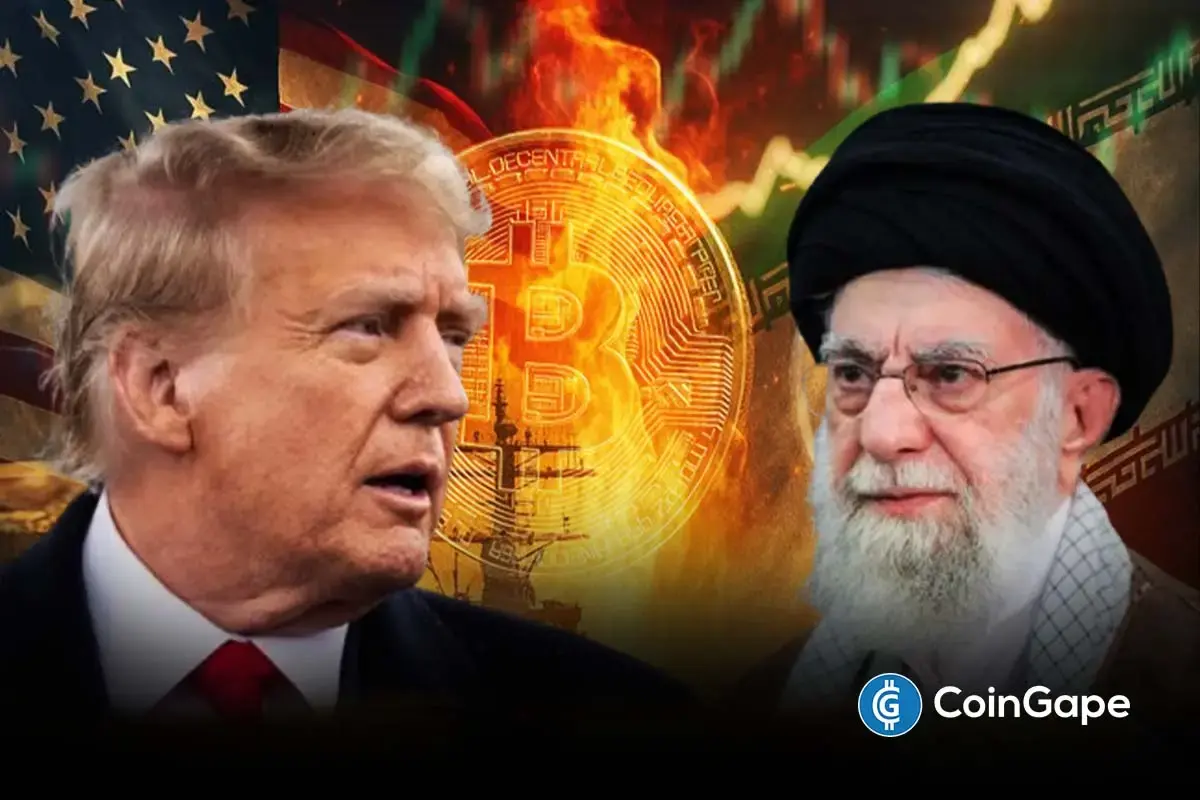
Hvad de seneste inflationsdata viser
I februar steg Producentprisindekset (PPI) — en nøgleindikator for priser, der betales til amerikanske producenter — med 0,7% i måneden og 3,4% år-for-år, hvilket markerer den største årlige stigning i et år.
| Indikator | Februar 2026 | Forrige måned |
|---|---|---|
| PPI i alt | +0,7% | +0,5% |
| Tjenester PPI | Største bidragyder | +0,5% tidligere |
| År-for-år PPI | +3,4% | +2,9% |
| Kerne-PCE-estimat | +0,4% | +0,3% |
Tjenester såsom hotel- og motelværelsers priser, transport og maddistribution udgjorde en stor andel af stigningen, hvilket viser, at inflationen er bredt funderet og ikke kun vedrører energikostnader.
Energi- og fødevarepriserne stiger igen
Engrosenergikostnaderne — herunder benzin, diesel og naturgas — steg betydeligt, hvilket afspejler højere oliepriser, som har været stigende siden militært engagement i Den Persiske Golf blev udvidet. Fødevareprodukter viste også fornyet pres opad efter tidligere lavere læsninger i årets begyndelse.
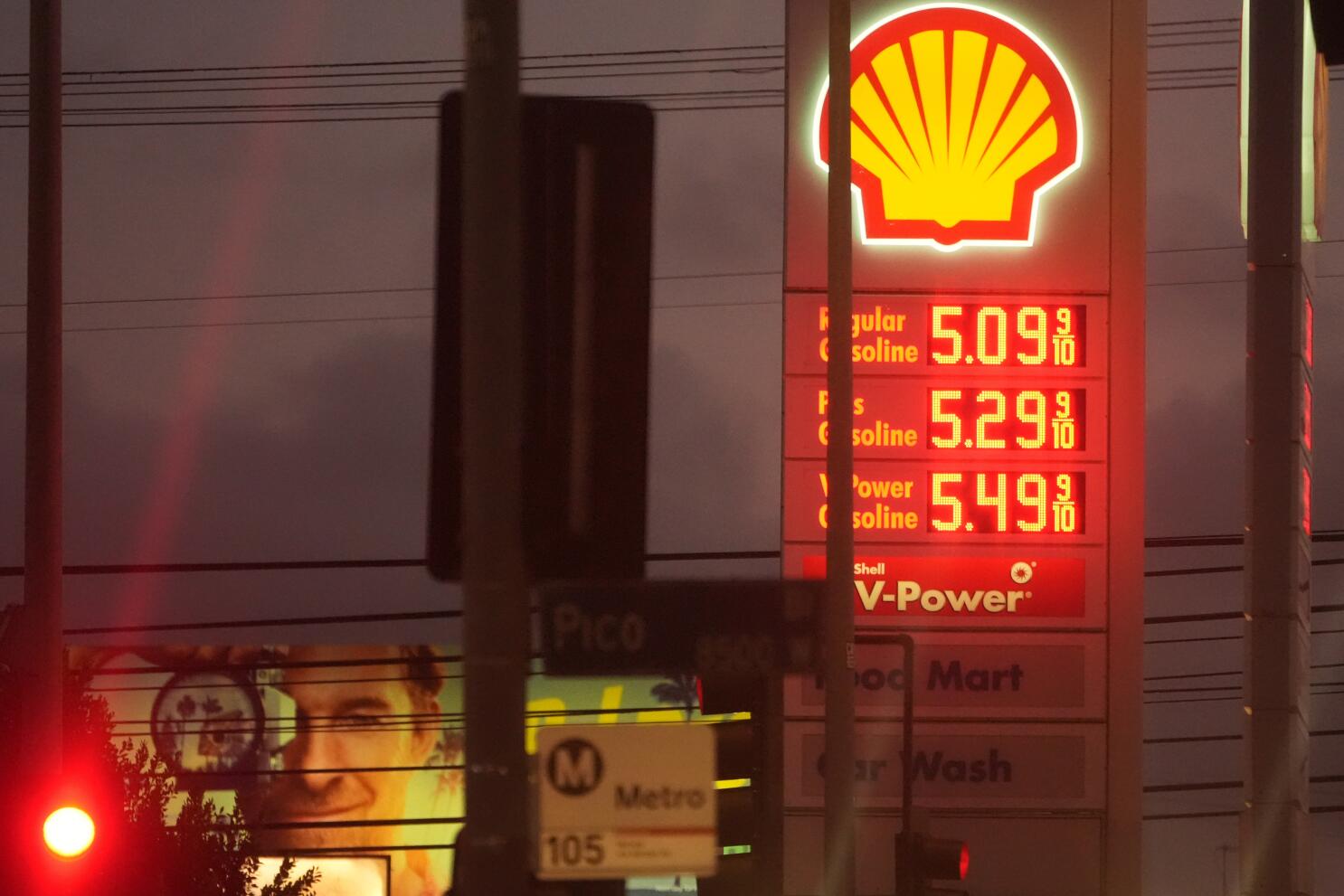
Geopolitiske spændinger: Iranfaktoren
Den eskalerende konflikt mellem USA, Israel og Iran har strammet energimarkederne og rystet globale investorer. Angreb i begyndelsen af marts og gengældelsesforanstaltninger har drevet prisen på råolie kraftigt op, hvilket øger omkostningerne til transport og produktion verden over.
Nøglemekanismer for påvirkning:
-
Energipriser: Spændinger i nærheden af Hormuzstrædet, et chokepunkt for omkring 20 % af verdens oliestrømme, har udløst leveringsbekymringer og højere oliepriser.
-
Inflationstransmission: Højere råolieomkostninger går videre til benzin, fragt og produktion, hvilket øger pres på producent- og forbrugerpriser.
-
Markedsusikkerhed: De finansielle markeder er blevet volatile, hvor aktierne er faldet som svar på inflationsdata og geopolitiske risici.
En nyere analyse advarer om, at oliepriserne forbliver høje tæt på eller over $100 per barrel, USA's økonomiske vækst kan bremse, og inflationen kan forblive vedholdende over Federal Reserve's 2%-mål.
Federal Reserve-respons og politiske udfordringer
På trods af stigende producentinflation og geopolitiske risici, Federal Reserve holdt renten uændret ved sit seneste møde om pengepolitik. Politikere forventer nu kun én rentenedskærning senere i 2026, en mere forsigtig holdning end tidligere forventet.
Hvorfor Fed er tilbageholden med rentenedskæringer
-
Vedvarende inflationspres: Data viser, at kerneinflationsmålingerne fortsat er for stærke til at retfærdiggøre rentenedsættelser.
-
Energi-prisvolatilitet: Uforudsigelige olie- og gasmarkeder gør det sværere at forudsige inflationstendenser.
-
Økonomisk usikkerhed: Fortsatte geopolitiske risici øger potentialet for markedsustabilitet, hvilket gør beslutninger om pengepolitikken mere komplekse.
Økonomer mener nu bredt, at rentenedskæringer, som ellers var ventet til slutningen af 2026, kan blive udskudt til 2027 eller senere hvis inflationen forbliver forhøjet.
Bredere økonomiske konsekvenser
Husholdnings- og virksomhedsomkostninger
Højere engrospriser har en tendens til at filtrere ned i detailomkostningerne, hvilket betyder, at virksomheder står over for højere inputpriser, som kan videregives til forbrugerne. Dette fører typisk til:
-
Højere gas- og energiregninger
-
Dyrere mad og tjenester
-
Højere transport- og fragtomkostninger
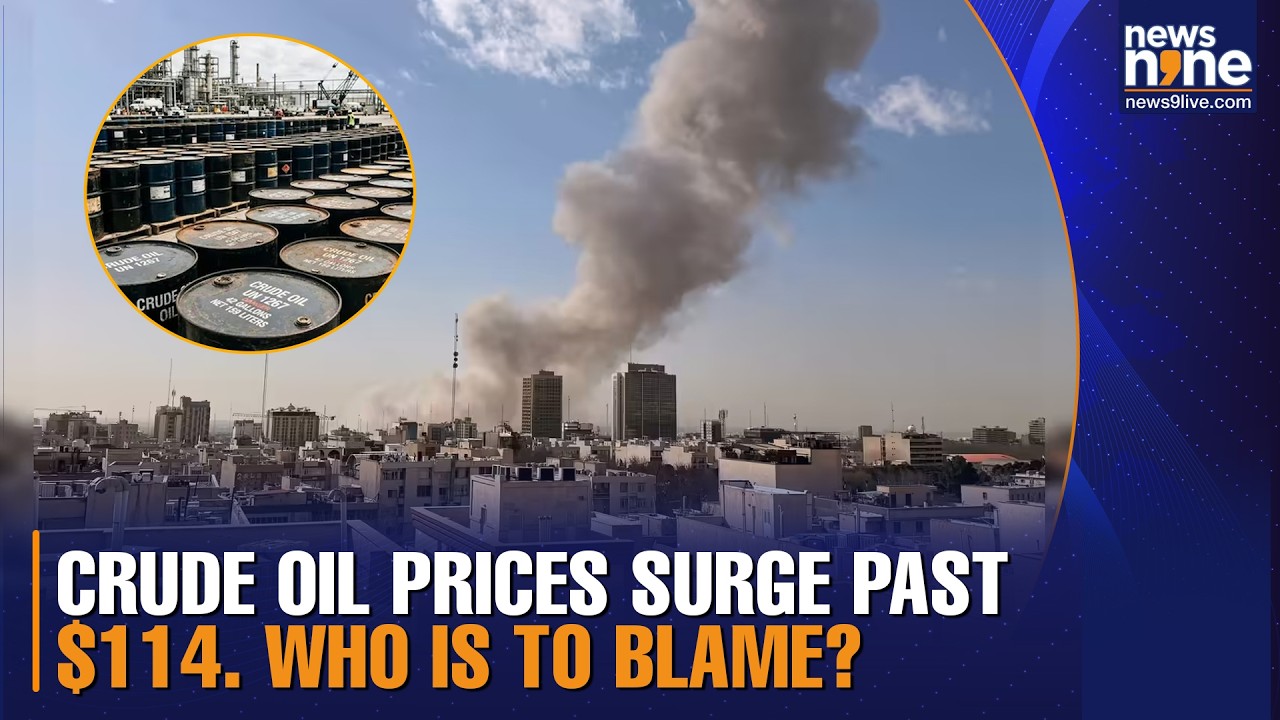
Forbrugerne mærker allerede nogle af disse effekter ved benzinpumpen og i dagligvarebutikkerne, mens energiomkostningerne bidrager til bredere inflationsforventninger.
Globale eftervirkninger
Effekterne af stigende energiomkostninger og inflation strækker sig ud over USA:
-
Europæisk inflation er steget, da naturgaspriserne stiger, hvilket lægger yderligere pres på Den Europæiske Centralbank.
-
Fremvoksende markeder står over for valutapåvirkninger og strammere finansielle forhold, mens den globale vækst aftager.
-
Aktiemarkeder verden over har oplevet volatilitet, efterhånden som investorerne revurderer risici i et inflations- og geopolitiske miljø.
Hvorfor dette er vigtigt nu
Denne stigning i kerneinflationstal — sammen med stigende energipriser på grund af Irans spændinger — fremhæver et afgørende økonomisk vendepunkt:
-
Inflationen viser sig at være vedholdende, hvilket udfordrer tidligere forventninger om en hurtig dæmpning.
-
Pengepolitiske muligheder bliver snævrere, med færre muligheder for rentenedsættelser.
-
Geopolitisk risiko går nu direkte hånd i hånd med de økonomiske resultater, og påvirker markeder, priser og forretningsplanlægning.
Når beslutningstagerne vurderer fremtidige tiltag, står virksomheder og forbrugere måske over for en længere periode med højere omkostninger, langsommere vækst og fortsat usikkerhed formet af begivenheder langt uden for USAs grænser.
Læs videre
Fed rentenedsættelse | Inflationen i USA stiger | Wall Street falder | Samsung-AMD AI-aftale | USAs gasregler
Browse the Shop
 Acacia frida deluxe solid wood bed frame |
Bedroom bench |
Bed chest drawers |
Lingerie dresser |
Frame base |
Mirror with jewelry storage |
30 Bathroom Vanity |
Memory foam queen mattress |
Mattresses for back pain |
Nightstand set of 2 |
Grand Goldman Shop |
Civil Lawyer
Deutschland Trikot WM 2026
Acacia frida deluxe solid wood bed frame |
Bedroom bench |
Bed chest drawers |
Lingerie dresser |
Frame base |
Mirror with jewelry storage |
30 Bathroom Vanity |
Memory foam queen mattress |
Mattresses for back pain |
Nightstand set of 2 |
Grand Goldman Shop |
Civil Lawyer
Deutschland Trikot WM 2026










