

In 1997, Costa Rica's orange peel experiment began when ecologists Daniel Janzen and Winnie Hallwachs proposed an unconventional deal: cover a degraded pasture with orange peels to see if it could restore the land. The result, 16 years later, was a lush forest that no one recognized.
The story starts in the Guanacaste Conservation Area, where the juice company Del Oro agreed to donate part of its land to the national park in exchange for dumping orange waste on 3 hectares of barren pasture.
Find Original Home Decor sparking conversation at Grand Goldman Shop.

The Orange Peel Experiment: A Bold Idea
Janzen and Hallwachs believed that the orange peels, rich in nutrients, could kickstart soil regeneration. Over about a year, around 1,000 trucks delivered 12,000 tons of peels and pulp to the site.
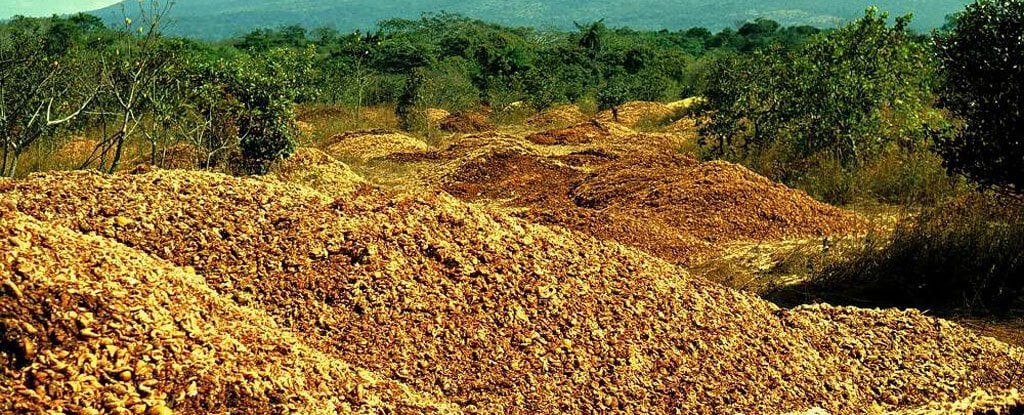
The plan was controversial from the start. A rival company, TicoFruit, sued, claiming the waste was polluting a national park. Costa Rica's Supreme Court agreed, and the experiment was halted after just one year.
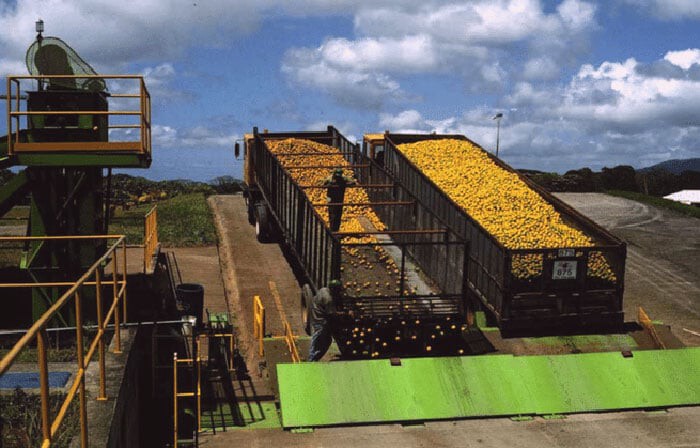
From Environmental Scandal to Forgotten Project
For years, the site lay forgotten. The orange peels were seen as a potential disaster, and few expected anything positive to come from it.
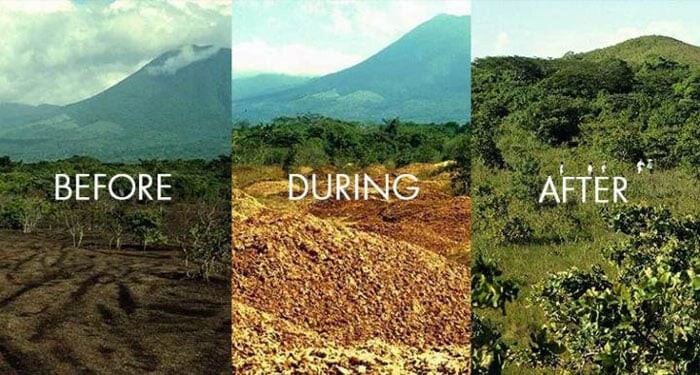
But in 2013, ecologist Timothy Treuer decided to check on the site. When he arrived, he couldn't find the sign marking the plot—it was hidden under a dense forest.
Surprising Results: A Thriving Forest
Treuer and his team compared the treated area with an adjacent untreated pasture. The difference was striking: the orange peel site had richer soil, more tree biomass, and a diverse canopy.
The experiment had accidentally demonstrated that agricultural waste could accelerate forest recovery in degraded tropical lands.
- 12,000 tons of orange peels were dumped on 3 hectares.
- The experiment was halted after a legal challenge.
- 16 years later, a dense forest had grown.
- Soil nutrients and tree growth were significantly higher.
- The case highlights the potential of organic waste for restoration.
Why It Matters: Lessons for Restoration
This accidental success story suggests that organic waste, often seen as a problem, can be a tool for ecological restoration. It also underscores the importance of long-term monitoring in environmental projects. The longer history behind the story is traced in Illegal Waste Trafficking Ring Busted in Catalonia, Spain.
However, the experiment was not without controversy. Critics worried about pollution and the precedent of dumping waste in protected areas. The legal battle reflects the tension between innovation and regulation. The background to this story is set out in Costa Rica Reverses Deforestation: A Tropical Success Story. A related thread runs through Coffee Pulp Restores Costa Rica Grassland Into Thriving Forest. Earlier coverage in Best Beach Hotels in Guanacaste, Costa Rica shows how the argument developed.
| Aspect | Orange Peel Site | Untreated Pasture |
|---|---|---|
| Tree biomass | 3 times higher | Baseline |
| Soil nutrients | Significantly enriched | Depleted |
| Canopy cover | Dense | Sparse |
| Species diversity | Higher | Lower |
What to Watch Next
While the orange peel experiment is a fascinating case, it's not a blanket solution. Scaling up would require careful study of local ecosystems and regulations. A closer look at the same subject appears in Cairngorms Wildfire: Cataclysmic Blaze Ravages Iconic Landscape. Anyone following the wider picture can start with Morocco's Waterbox Reforestation Project Gains 1,200 Hectares. The same theme surfaces in Spanish Engineer Reforested 5,000 Hectares by Shooting Seeds, which takes a different angle.
For now, it stands as a reminder that nature can surprise us—and that sometimes, bold ideas yield unexpected rewards. Context on how this played out before sits in What vaccinations do I need to travel to Costa Rica?. A companion piece, Costa Rican Diplomat Emerges as Top UN Secretary General, approaches the same subject from another angle.
FAQ
What was the orange peel experiment?
It was a 1997 project in Costa Rica where 12,000 tons of orange peels were dumped on degraded pasture to test if they could restore the land.
Why was the experiment controversial?
A rival company sued, claiming the waste was polluting a national park. The Supreme Court halted the project after one year.
What were the results?
Sixteen years later, the site had become a lush forest with richer soil and more tree biomass compared to untreated land.
Can this be replicated elsewhere?
Possibly, but it requires careful assessment of local conditions and regulations to avoid environmental harm.
Browse the Shop
 Acacia frida deluxe solid wood bed frame |
Bedroom bench |
Bed chest drawers |
Lingerie dresser |
Frame base |
Mirror with jewelry storage |
30 Bathroom Vanity |
Memory foam queen mattress |
Mattresses for back pain |
Nightstand set of 2 |
Grand Goldman Shop |
Civil Lawyer
Deutschland Trikot WM 2026







