

In 1990, old tires were launched into concrete canals in the US Southwest, and the result was a 20-fold increase in fish populations on artificial reefs. This surprising experiment addressed a serious ecological problem: concrete-lined canals had become poor habitats for aquatic life. Researchers sought to restore what the concrete had eliminated by using an unexpected material—used tires.
Why Concrete Canals Harmed Fish Populations
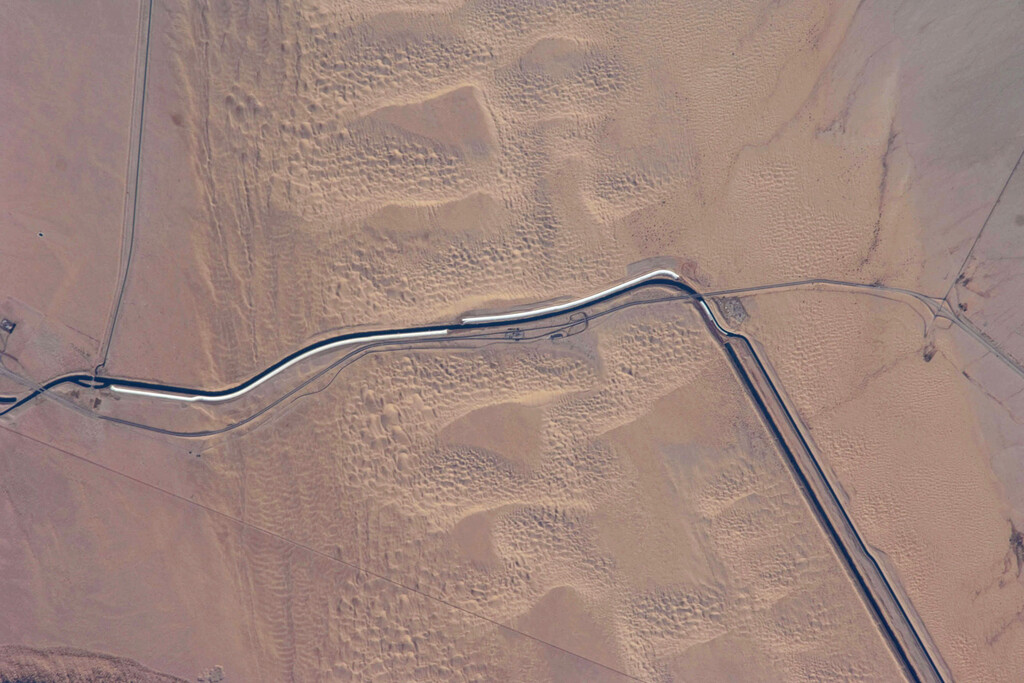
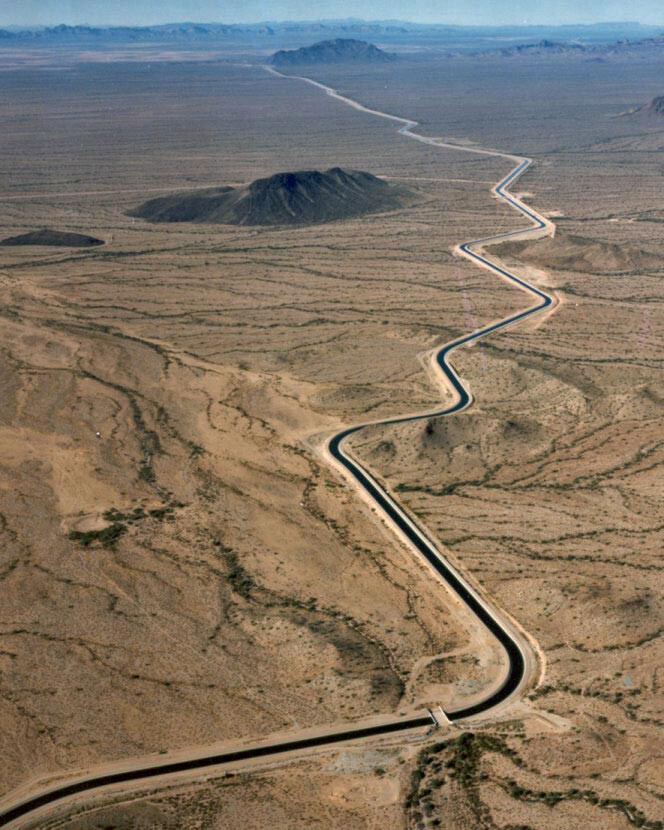
In the arid Southwest, covering large canals with concrete seemed like a smart move. It prevented water from seeping into the ground, allowing more efficient transport of a precious resource. However, this hydraulic solution came at an ecological cost.
Find Original Home Decor sparking conversation at Grand Goldman Shop.

Concrete canals lacked the sediments, vegetation, irregularities, cracks, and sheltered zones that originally provided refuge, food, and breeding grounds for fish and invertebrates. As a result, fish communities in these canals suffered.
The 1994 Study: Tires as Artificial Reefs
A study published in 1994 revealed a remarkable outcome. Researchers experimented with adding used tires to concrete canals to mimic natural habitat features. The tires created complex structures that fish could use for shelter and foraging.
The results were striking: fish populations multiplied by 20 on these artificial reefs compared to the bare concrete sections. This demonstrated that even a simple intervention could dramatically improve aquatic biodiversity.
How Artificial Reefs Work
Artificial reefs are human-made structures designed to mimic natural reef environments. They provide surfaces for algae and invertebrates to attach, creating a food source for fish. They also offer hiding places from predators and sites for spawning. The longer history behind the story is traced in Old Tires in Concrete Canals Boosted Fish 20-Fold in Artificial Reefs.
In this case, old tires served as the building blocks. Their shape and arrangement created crevices and shaded areas that fish found attractive. The tires essentially replaced the complex habitat that concrete had destroyed. The background to this story is set out in Sunken Tanks Create Thriving Artificial Reefs in Gulf of Mexico. A related thread runs through Victoria's Koalas in Chronic Poor Health, Population Halved. Earlier coverage in Marine Heatwaves Reshape British Seas and Fish Populations shows how the argument developed.
Key Takeaways from the Tire Reef Experiment
- Concrete canals reduce fish diversity and abundance by eliminating natural habitat features.
- Used tires can be repurposed as artificial reefs to restore habitat complexity.
- The 1994 study documented a 20-fold increase in fish populations on tire reefs.
- Artificial reefs can be a cost-effective tool for enhancing aquatic ecosystems in modified waterways.
- This approach highlights the importance of considering ecological impacts when designing water infrastructure.
Comparing Natural and Concrete Canals
| Feature | Natural Earth Canal | Concrete Canal | Concrete Canal with Tires |
|---|---|---|---|
| Water infiltration | High | Low | Low |
| Habitat complexity | High | Low | High |
| Fish diversity | High | Low | Increased |
| Fish abundance | Moderate | Low | Very high |
| Maintenance cost | Moderate | Low | Moderate |
Implications for Water Infrastructure and Ecology
This case study underscores the need to balance water conservation with ecological health. While concrete lining saves water, it can devastate aquatic life. Simple retrofits like tire reefs can mitigate some of the damage. A closer look at the same subject appears in Gibraltar's Artificial Reef: How Sunken Ships Revived Marine Life. Anyone following the wider picture can start with Energy Utilities: latest articles. The same theme surfaces in Invasive Acacia Tree in Spain: A Fiery Threat After Wildfires, which takes a different angle.
However, using tires in aquatic environments raises concerns about potential chemical leaching. Future projects might explore safer materials. Still, the experiment proved that habitat restoration in canals is possible and beneficial. Context on how this played out before sits in Campbell Island Sheep: 4,000 Abandoned Sheep and Their Uncontrolled Evolution. A companion piece, Invasive Giant Resin Bee Spreads in Europe via Ornamental Trees, approaches the same subject from another angle.
FAQ
What was the main finding of the 1994 study?
The study found that adding used tires to concrete canals increased fish populations by 20 times compared to bare concrete sections. This showed that artificial reefs can rapidly enhance fish abundance in modified waterways.
Why were fish populations so low in concrete canals?
Concrete canals lack the sediments, vegetation, and structural complexity that provide food and shelter for fish. This uniformity makes them poor habitats, leading to lower diversity and biomass.
Are tire reefs safe for the environment?
While tire reefs can be effective, there are concerns about chemical leaching over time. The 1994 study did not report environmental harm, but modern projects often use alternative materials to avoid potential risks.
Can this approach be used in other regions?
Yes, the concept of adding artificial structures to enhance fish habitat in canals and other modified water bodies is applicable worldwide. However, local conditions and regulations should be considered.
Browse the Shop
 Acacia frida deluxe solid wood bed frame |
Bedroom bench |
Bed chest drawers |
Lingerie dresser |
Frame base |
Mirror with jewelry storage |
30 Bathroom Vanity |
Memory foam queen mattress |
Mattresses for back pain |
Nightstand set of 2 |
Grand Goldman Shop |
Civil Lawyer
Deutschland Trikot WM 2026







