

A thermal burst is a sudden, short-lived weather event characterized by a sharp spike in surface temperature, often accompanied by intense wind gusts. Until recently, it sounded like an exotic phenomenon rarely witnessed, but in the past two years many residents along the Mediterranean coast have experienced it firsthand. That sudden wind, paired with a dramatic temperature rise, has disrupted sleep and ruined beach afternoons for countless people in Spain and beyond.
So what exactly is a thermal burst, and why is it becoming more common? Science points to a combination of factors, and while heat waves are related, they alone don't explain it. Understanding this phenomenon matters because it affects daily life, public health, and local economies across the region.
Find Original Home Decor sparking conversation at Grand Goldman Shop.

What Exactly Is a Thermal Burst?
A thermal burst is a short-duration event marked by abrupt jumps in surface temperature, typically around 5°C but sometimes as much as 15°C. These events usually come with low relative humidity and very strong wind gusts ranging from 100 to 160 kilometers per hour. They most often occur at night, though they can also strike in the late afternoon.
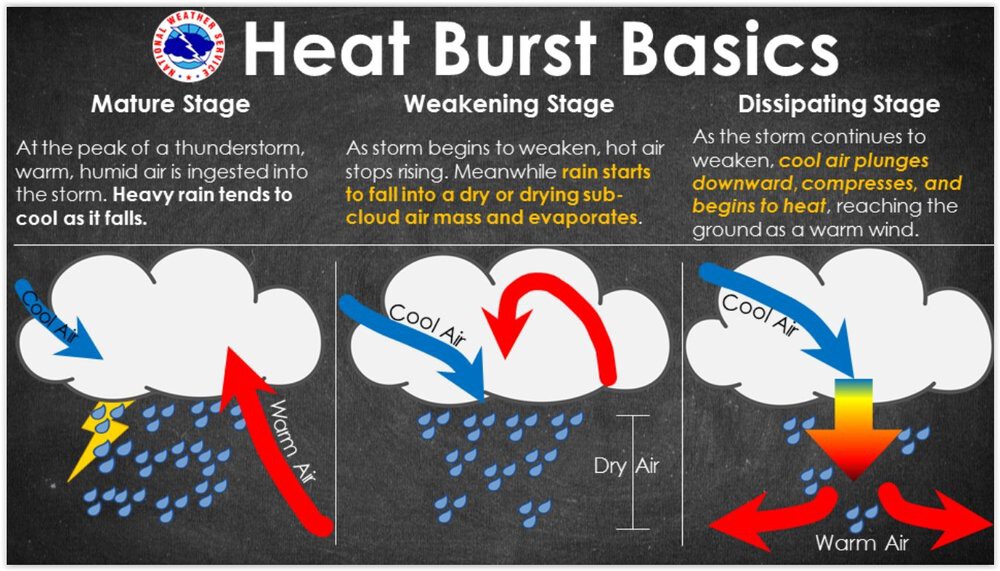
The phenomenon is distinct from a heat wave because it is not just about prolonged high temperatures. Instead, it involves a rapid, localized change that can catch people off guard. The combination of heat, dryness, and wind creates conditions that feel almost surreal to those affected.
The Three Phases of a Thermal Burst
A thermal burst typically unfolds in three main phases. It begins with the formation of precipitation, usually within a thunderstorm, that never reaches the ground. As the rain falls, it encounters a layer of very warm, dry air and evaporates before touching down.
This evaporation cools the air locally, but the process also leads to a sudden downdraft of hot, dry air. In the second phase, this downdraft accelerates toward the surface, bringing intense wind gusts. Finally, the third phase is the abrupt temperature spike as the hot air reaches the ground, often accompanied by a sharp drop in humidity.
These phases can happen quickly, sometimes within minutes, making thermal bursts hard to predict and prepare for. The rapid onset is part of what makes them so disruptive.
Why the Mediterranean Is a Hotspot
The Mediterranean basin is particularly vulnerable to thermal bursts due to its geography and climate. Warm sea surfaces and hot, dry air masses create ideal conditions for the phenomenon. In recent years, rising global temperatures have intensified these factors, making thermal bursts more frequent and severe.
Coastal communities are on the front lines. The sudden temperature spikes can lead to heat stress, especially for vulnerable populations like the elderly. They also disrupt daily routines, from sleep to outdoor activities, and can damage crops and infrastructure.
Key Takeaways
- Thermal bursts are short, intense weather events with rapid temperature increases and strong winds.
- They occur in three phases: precipitation that evaporates, a downdraft, and a surface temperature spike.
- The Mediterranean is a hotspot due to warm seas and increasing global temperatures.
- Impacts include health risks, disrupted sleep, and economic losses.
- Climate change is likely making these events more frequent and severe.
Comparing Thermal Bursts to Other Extreme Weather
To better understand thermal bursts, it helps to compare them with similar phenomena. The table below outlines key differences. The background to this story is set out in Mediterranean Marine Heatwave Persists Across Basin After Summer. A related thread runs through These are the best thermal bottles to stay hydrated during this heat wave while we train in summer - Grand Goldman. Earlier coverage in US Record Heat Wave: How Americans Cope With Utility Bills shows how the argument developed.
| Feature | Thermal Burst | Heat Wave | Cold Front |
|---|---|---|---|
| Duration | Minutes to hours | Days to weeks | Hours to days |
| Temperature change | Sudden spike (5–15°C) | Prolonged high | Sudden drop |
| Wind | Very strong (100–160 km/h) | Variable | Strong |
| Humidity | Low | Variable | Higher |
What to Watch Next
As the climate continues to warm, thermal bursts are expected to become more common in the Mediterranean and possibly in other regions. Scientists are working to improve prediction models, but the localized nature of these events makes forecasting challenging. For residents, staying informed and prepared is essential. A closer look at the same subject appears in Japan's Cruelly Hot Days: 40°C Heat Wave Survival Tips. Anyone following the wider picture can start with Mediterranean Sea Heating Up and Getting Saltier: What It Means. The same theme surfaces in Synthetic Opioids Drive Sharp Rise in Scottish Drug Deaths, which takes a different angle.
Monitoring weather alerts and understanding the signs of an impending thermal burst can help reduce risks. Communities may also need to adapt infrastructure and emergency plans to cope with these sudden events. Context on how this played out before sits in Comic Series Illustrate What It Would Be Like If All The Disney Princesses Lived Together. A companion piece, California Braces for Kelvin Wave and Rising Sea Levels, approaches the same subject from another angle.
FAQ
What causes a thermal burst?
A thermal burst is caused by precipitation from a thunderstorm evaporating in a layer of hot, dry air before reaching the ground. This creates a downdraft of hot air that accelerates toward the surface, leading to a sudden temperature spike and strong winds.
How long does a thermal burst last?
Thermal bursts are short-lived, typically lasting from a few minutes to a couple of hours. The most intense phase, with the temperature spike and strong gusts, usually occurs within minutes.
Are thermal bursts dangerous?
Yes, they can be dangerous due to rapid temperature changes and very strong winds. They pose health risks, especially for vulnerable groups, and can cause property damage. The sudden onset leaves little time for preparation.
Why are thermal bursts becoming more frequent in the Mediterranean?
Rising global temperatures and warm sea surfaces create conditions that favor thermal bursts. Climate change is intensifying these factors, making the phenomenon more common and severe in the region.
Browse the Shop
 Acacia frida deluxe solid wood bed frame |
Bedroom bench |
Bed chest drawers |
Lingerie dresser |
Frame base |
Mirror with jewelry storage |
30 Bathroom Vanity |
Memory foam queen mattress |
Mattresses for back pain |
Nightstand set of 2 |
Grand Goldman Shop |
Civil Lawyer
Deutschland Trikot WM 2026







