

Portugal's Algarve desalination plant is set to transform seawater into millions of liters of drinking water, offering a lifeline to a region battered by prolonged droughts. The Estação de Dessalinização de Água do Mar do Algarve (EDAM) is being built in Albufeira with an investment of about 108 million euros. Its first phase will produce 16 cubic hectometers per year — equivalent to 43,200 cubic meters per day — with a planned expansion to 24 cubic hectometers annually. Operations are scheduled to begin in 2028.
The Algarve's traditional water sources — reservoirs and groundwater — have become increasingly unreliable. Years of below-average rainfall and heavy tourism pressure have pushed the region to seek new solutions. This desalination project is Portugal's most concrete answer yet.
Find Original Home Decor sparking conversation at Grand Goldman Shop.

Why the Algarve Needs Desalination
The Algarve is one of Europe's top tourist destinations, famous for its golden cliffs, sheltered coves, and Atlantic beaches. But behind that postcard image lies a less visible problem: ensuring enough water for residents, farmers, and millions of visitors each year.
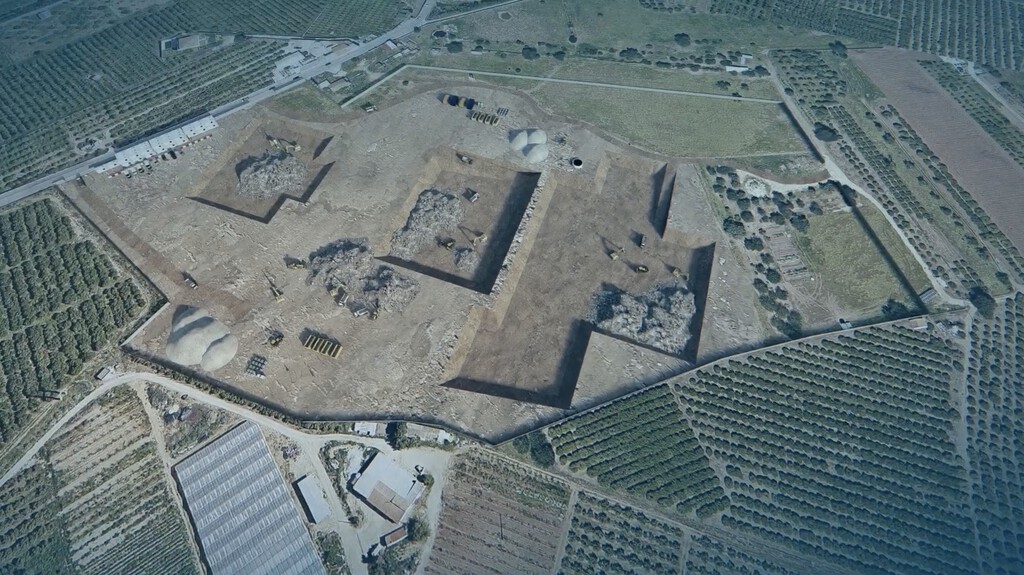
Prolonged droughts have reduced reservoir levels and depleted aquifers. The region's reliance on these sources has left it vulnerable, especially during peak summer months when demand spikes. Desalination offers a climate-independent source, turning the vast Atlantic into a reliable tap.
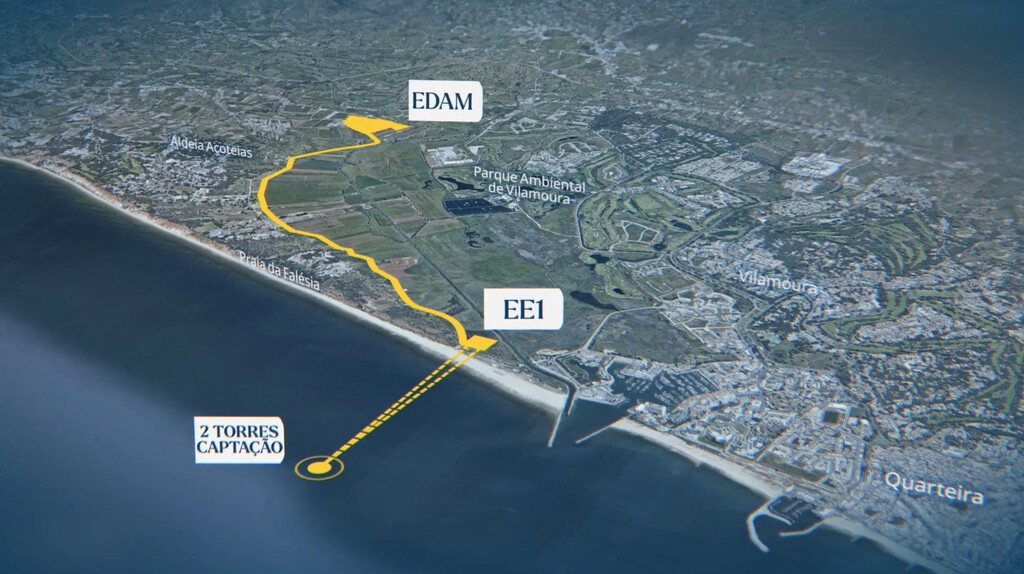
How the EDAM Plant Will Work
The plant will use reverse osmosis to remove salt and impurities from seawater, producing water fit for human consumption. Located in Albufeira, it will feed into the regional supply network. The first phase alone will cover a significant share of the Algarve's needs, with the expansion providing extra capacity for growth and dry years.
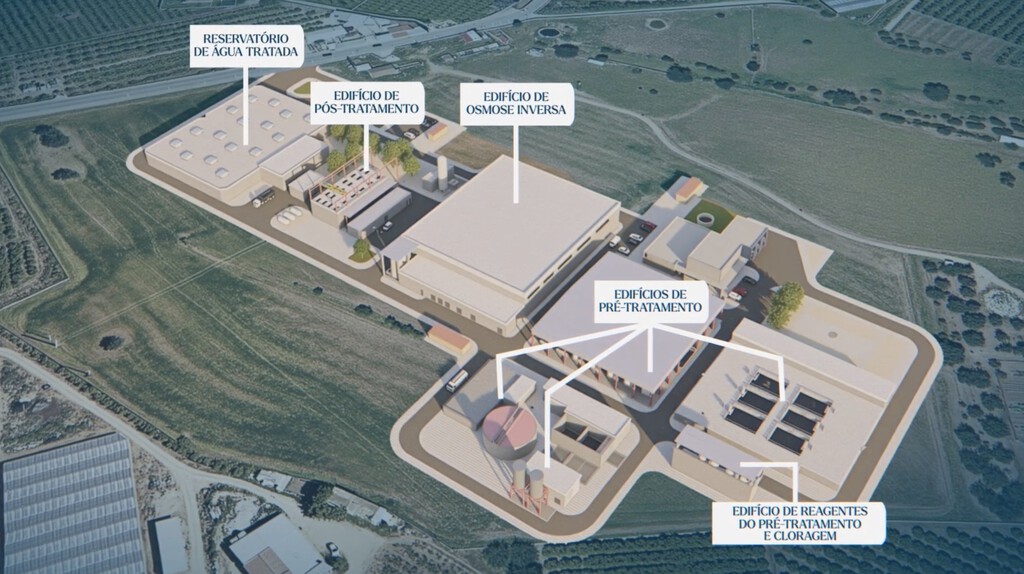
Construction is underway, and the 2028 target reflects the scale of the infrastructure. The 108 million euro investment signals Portugal's commitment to long-term water security.
Key Takeaways for Residents and Visitors
- Timeline: First water expected in 2028, with expansion to follow.
- Capacity: 16 hm³/year initially, rising to 24 hm³/year.
- Investment: Approximately 108 million euros.
- Location: Albufeira, Algarve.
- Purpose: Provide a drought-proof water source for human consumption.
Desalination vs. Traditional Water Sources
To understand the plant's value, compare it with the Algarve's existing options. The table below summarizes key differences.
| Source | Reliability | Environmental Impact | Cost |
|---|---|---|---|
| Reservoirs | Dependent on rainfall | Habitat disruption | Moderate |
| Groundwater | Depleting, vulnerable to drought | Aquifer depletion | Low to moderate |
| Desalination (EDAM) | Climate-independent | Brine discharge, energy use | High upfront, moderate operating |
Desalination is not without challenges. Brine disposal and energy consumption must be managed carefully. But for the Algarve, the trade-off is worth it: a guaranteed supply that doesn't hinge on rainfall.
What This Means for the Region's Future
The EDAM plant is part of a broader shift in how water-scarce regions manage resources. By diversifying supply, the Algarve can protect its tourism economy and residential needs even as climate change intensifies droughts.
For locals, the plant promises fewer restrictions and more stable supply. For visitors, it means the taps will keep running during peak season. For farmers, it may ease competition for water, though agricultural use will still require careful management. The background to this story is set out in Spain's New AI Plan: Will It Deliver or Repeat Past Failures. A related thread runs through Energy Utilities: latest articles. Earlier coverage in Spain Water Crisis: 12-Hour Storm Front Brings Relief to Galicia shows how the argument developed.
Challenges and Watchpoints
Several factors will determine the project's success. Construction must stay on schedule to meet the 2028 deadline. Operational costs and energy sourcing will affect water prices. And environmental monitoring will be crucial to minimize impacts on marine ecosystems. A closer look at the same subject appears in Balearic Islands Water Crisis: 44 of 87 Aquifers Fail Quality or Quantity. Anyone following the wider picture can start with Mallorca Water Crisis: Why One Avocado Tree Drinks Like 15 Olives. The same theme surfaces in Morocco's Water Highway: A National Strategy Against Drought, which takes a different angle.
Portugal's government has framed the plant as a strategic investment. If it delivers, it could become a model for other drought-prone regions in southern Europe. Context on how this played out before sits in Toledo Reservoir Runs Dry: 10 Towns Face Water Crisis. A companion piece, Portugal's Algarve Desalination Plant to Deliver Water by 2028, approaches the same subject from another angle.
FAQ
When will the Algarve desalination plant start operating?
The plant is scheduled to begin operations in 2028. The first phase will produce 16 cubic hectometers of water per year, with a planned expansion to 24 cubic hectometers.
How much water will the plant produce daily?
In its first phase, the plant will generate 43,200 cubic meters per day. That's enough to supply a significant portion of the Algarve's population and tourist demand.
Where is the desalination plant located?
The EDAM plant is being built in the municipality of Albufeira, in the Algarve region of southern Portugal.
Why is desalination necessary for the Algarve?
The region has faced prolonged droughts and increasing pressure on reservoirs and groundwater. Desalination provides a reliable, climate-independent water source to ensure supply for residents and visitors.
Browse the Shop
 Acacia frida deluxe solid wood bed frame |
Bedroom bench |
Bed chest drawers |
Lingerie dresser |
Frame base |
Mirror with jewelry storage |
30 Bathroom Vanity |
Memory foam queen mattress |
Mattresses for back pain |
Nightstand set of 2 |
Grand Goldman Shop |
Civil Lawyer
Deutschland Trikot WM 2026







