

Morocco has launched an ambitious national water infrastructure strategy, centered on the so-called Water Highway, to combat its greatest enemy: drought. After emerging from a seven-year dry spell, the country is not relying on recent rains but is accelerating a complete transformation of its water system.
The plan includes building large dams, preparing 42 new dams by 2050, developing small-scale infrastructure, expanding desalination, and constructing a vast network to transfer water between regions. This integrated approach aims to connect the entire country and reduce dependence on unpredictable rainfall.
Find Original Home Decor sparking conversation at Grand Goldman Shop.

Morocco's Water Highway: Connecting Regions
The centerpiece of the strategy is the Water Highway, a massive infrastructure project designed to move water from surplus areas to deficit regions. This network will help balance the uneven distribution of water resources across Morocco.
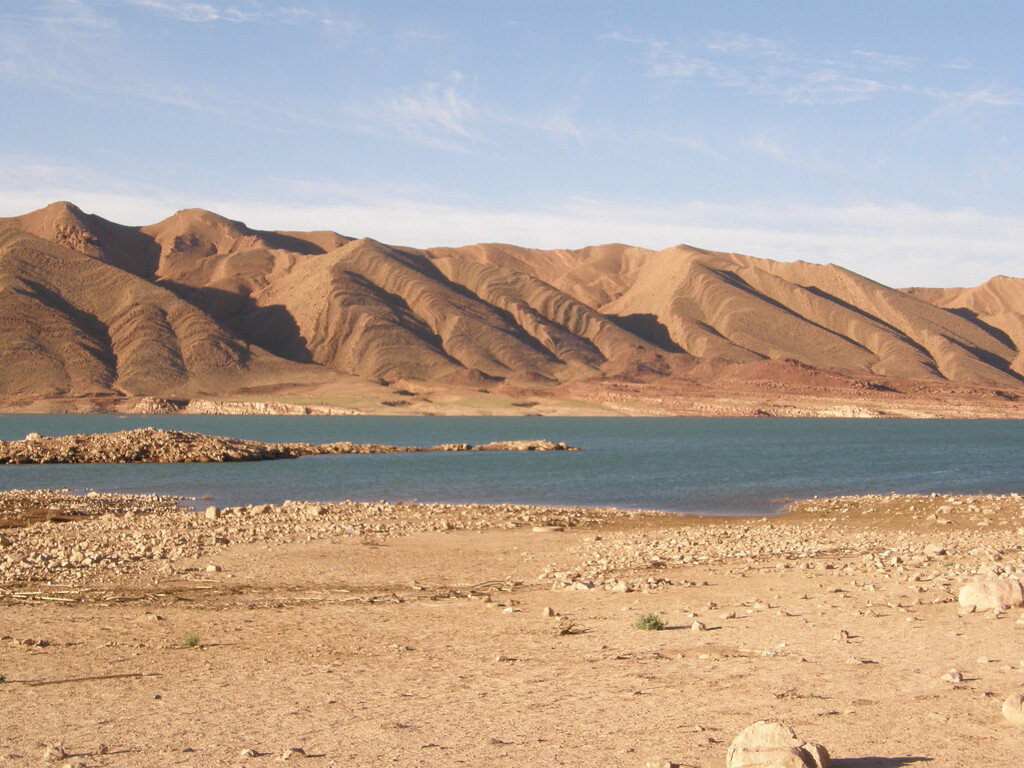
According to the Minister of Equipment and Water, the project is crucial because water availability varies greatly: while some basins like Tensift, Bouregreg, and Sebou have high levels, southern areas such as Souss-Massa remain under pressure. The Water Highway will address these disparities by linking regions and ensuring water access nationwide.
Dams and Desalination: A Multi-Pronged Approach
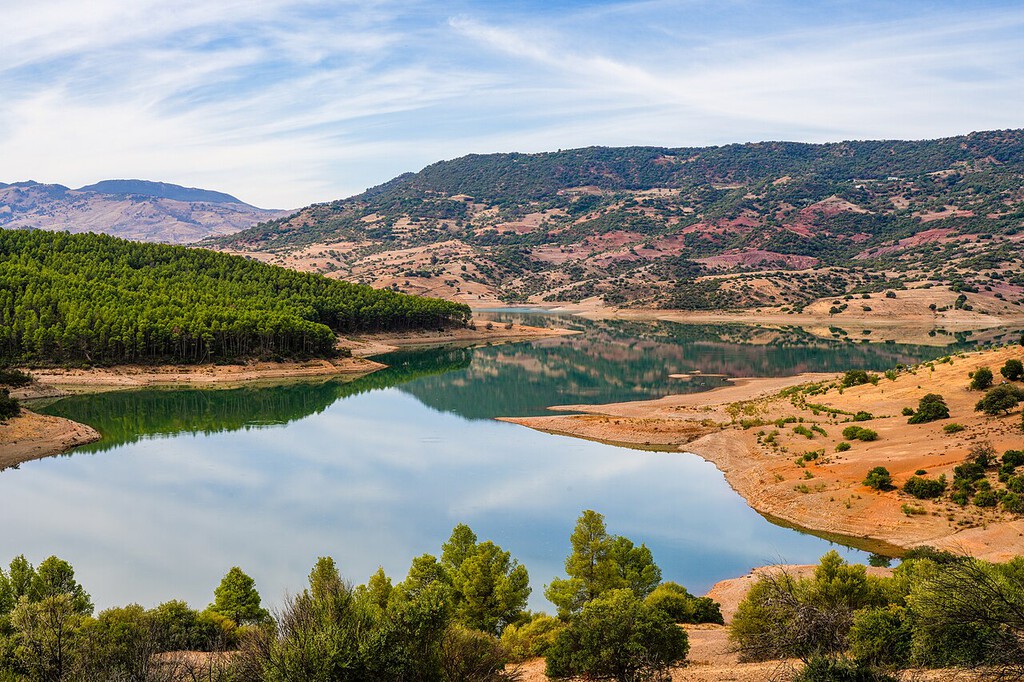
Morocco is simultaneously constructing large dams and preparing 42 new dams by 2050. These dams will capture and store water during wet periods, helping to mitigate future droughts. In addition, the country is investing in small-scale water infrastructure and significantly expanding desalination capacity.
Desalination plants, particularly along the coast, will provide a reliable source of freshwater independent of rainfall. This diversification is key to building a resilient water system that can withstand prolonged dry spells.
Current Water Reserves and Challenges
Recent rains and snow have officially ended the drought that lasted from 2018 to 2025, raising reserves to about 12.29 billion cubic meters—around 72.1% of national capacity, up from 37% the previous year. The government estimates this provides enough water for two to five years of consumption and irrigation.
However, the recovery is uneven. While some basins have high levels, southern regions like Souss-Massa continue to face significant pressure. This disparity underscores the need for the Water Highway and other infrastructure to redistribute water effectively. The longer history behind the story is traced in Morocco's Water Highway: A National Strategy Against Drought.
Key Components of Morocco's Water Strategy
- Water Highway: A network to transfer water between regions.
- 42 new dams by 2050: Expanding storage capacity.
- Desalination expansion: Providing alternative freshwater sources.
- Small-scale infrastructure: Local solutions for water collection and storage.
- Regional balance: Addressing disparities in water availability.
Comparison of Water Resources by Region
| Region/Basin | Water Availability | Pressure Level |
|---|---|---|
| Tensift | High | Low |
| Bouregreg | High | Low |
| Sebou | High | Low |
| Souss-Massa | Low | High |
This table illustrates the stark contrast between water-rich and water-scarce regions, highlighting the necessity of the Water Highway to redistribute resources. The background to this story is set out in Burnham's Unity Politics: Can He Win by Making Enemies?. A related thread runs through Andy Burnham’s Unity Politics: Can He Win Over Enemies?. Earlier coverage in Trending: latest articles shows how the argument developed.
What This Means for Morocco's Future
Morocco's proactive approach to water management sets an example for other arid countries. By investing in infrastructure during periods of abundance, the country is building resilience against future droughts. The strategy not only addresses immediate water needs but also supports long-term economic growth and stability. A closer look at the same subject appears in Spanish Town Deploys Drones to Monitor Private Pools. Anyone following the wider picture can start with Morocco's Waterbox Reforestation Project Gains 1,200 Hectares. The same theme surfaces in Toledo Reservoir Runs Dry: 10 Towns Face Water Crisis, which takes a different angle.
The success of these projects will depend on effective implementation, funding, and regional cooperation. As climate change continues to threaten water security worldwide, Morocco's efforts will be closely watched. Context on how this played out before sits in Thames Water Desalination Plant Restart: A Costly White Elephant. A companion piece, Thames Water to Restart Desalination Plant Amid Drought, approaches the same subject from another angle.
FAQ
What is Morocco's Water Highway?
The Water Highway is a major infrastructure project designed to transfer water between regions in Morocco to balance availability and address disparities. It is a key part of the country's strategy to combat drought.
How many new dams is Morocco planning to build?
Morocco plans to build 42 new dams by 2050, in addition to existing large dams. These will help store water during wet periods and mitigate future droughts.
Why is desalination important in Morocco's water strategy?
Desalination provides a reliable source of freshwater independent of rainfall, helping to diversify water sources and reduce dependence on precipitation. It is especially important for coastal regions.
What challenges remain despite recent rains?
Despite improved reserves, water distribution remains uneven, with southern regions like Souss-Massa still facing high pressure. Infrastructure like the Water Highway aims to address these imbalances.
Browse the Shop
 Acacia frida deluxe solid wood bed frame |
Bedroom bench |
Bed chest drawers |
Lingerie dresser |
Frame base |
Mirror with jewelry storage |
30 Bathroom Vanity |
Memory foam queen mattress |
Mattresses for back pain |
Nightstand set of 2 |
Grand Goldman Shop |
Civil Lawyer
Deutschland Trikot WM 2026







