

The most efficient lunar orbit path has been identified after more than 30 million simulations, offering a potential fuel savings of 58.80 m/s in delta-v for future Moon missions. This discovery, led by an international team from the University of Coimbra, could significantly reduce the cost of traveling to the Moon.
When planning a trip, whether on Earth or in space, finding the most efficient route is crucial. In space, fuel efficiency is paramount, and this new research provides a roadmap for future lunar missions.
Find Original Home Decor sparking conversation at Grand Goldman Shop.

Why Finding the Most Efficient Lunar Orbit Path Matters
As humanity looks toward regular lunar travel, the cost of fuel becomes a major barrier. Traditional methods of trial and error are impractical and expensive. This study offers a solution by calculating the ideal path without the need for actual test flights.
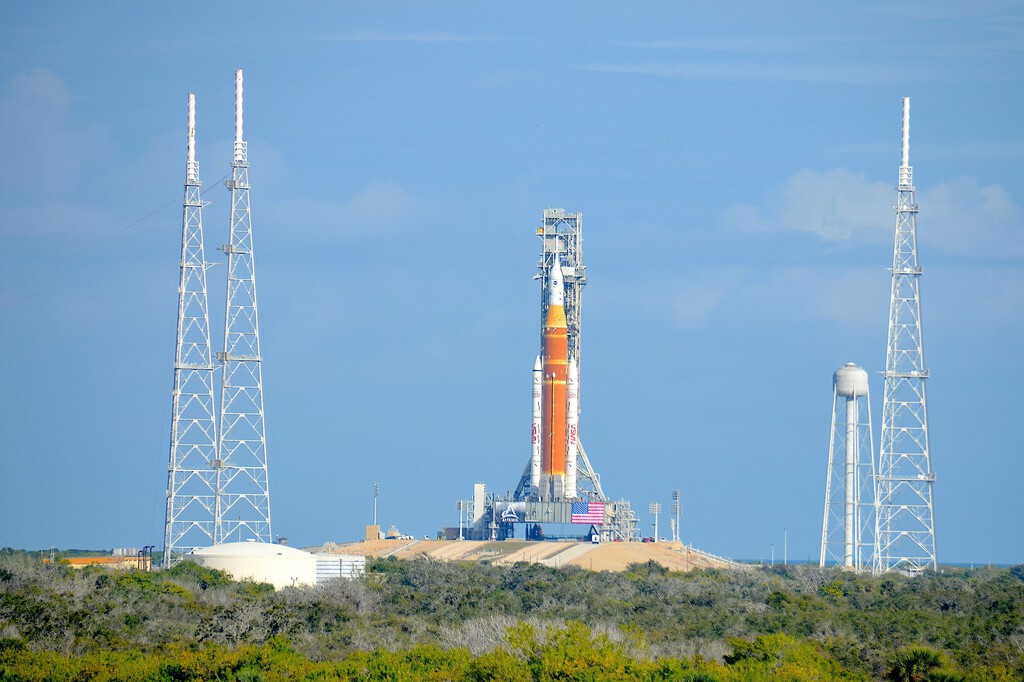
The key metric is delta-v, which measures the change in velocity required for a spacecraft to perform a maneuver. Lower delta-v means less fuel consumed, translating to cost savings and increased payload capacity.
How the Research Was Conducted
The team ran over 30 million simulations to evaluate various orbital trajectories. Each simulation tested different parameters to find the path that minimizes delta-v while ensuring a safe and feasible journey.
This computational approach allowed researchers to explore a vast solution space that would be impossible to cover through real-world testing. The result is a trajectory that outperforms all previously known paths.
Key Findings: The 58.80 m/s Delta-v Savings
The study identified a trajectory that saves 58.80 m/s in delta-v compared to the best known paths. While this number might seem small, in spaceflight, every meter per second counts. This savings can be used to carry more cargo or reduce the overall fuel required.
For context, the delta-v needed to reach low Earth orbit is about 9,400 m/s, so 58.80 m/s represents a meaningful fraction of the total effort for lunar missions.
Implications for Future Moon Missions
This discovery could make regular lunar travel more economically viable. Reduced fuel needs lower launch costs and allow for more frequent missions. It also supports the development of sustainable lunar exploration. The longer history behind the story is traced in Most Efficient Lunar Orbit Path Found After 30 Million Simulations.
As space agencies and private companies plan future missions, incorporating this optimized path could become standard practice. The research demonstrates the value of advanced computational methods in space mission planning. The background to this story is set out in Science: latest articles. A related thread runs through NASA's Artemis III Moon Landing Delayed: Why It's a Step Forward. Earlier coverage in NASA's Lunar Base Construction Begins with $100M Contracts shows how the argument developed.
What to Watch Next
Further studies may refine the trajectory for specific mission profiles, such as crewed missions or cargo deliveries. Additionally, the methodology could be applied to other destinations, like Mars or asteroids. A closer look at the same subject appears in The Moon's Spacecraft Graveyard: 70 Objects Left Behind. Anyone following the wider picture can start with Europe's Jet Fuel Crisis: How Refineries Saved Summer Flights. The same theme surfaces in 1998 Diesel Passat Hits 2,300 km on One Tank: How, which takes a different angle.
Engineers and mission planners will need to validate the findings with real-world constraints, but the potential is significant. This work marks a step forward in making space travel more efficient and accessible. Context on how this played out before sits in China's Dixing-3 Bed Rest Study for Moon Missions Explained. A companion piece, Hydrogen Fuel Cell Powers NASA Lunar Missions Through Two-Week Nights, approaches the same subject from another angle.
FAQ
What is delta-v and why does it matter?
Delta-v is the change in velocity required to perform an orbital maneuver. Lower delta-v means less fuel is needed, reducing costs and increasing mission capabilities.
How much delta-v can be saved with this new path?
The new trajectory saves 58.80 m/s in delta-v compared to previously known paths, according to the study.
Who conducted this research?
The study was led by an international team of scientists directed from the University of Coimbra.
Will this path be used for future Moon missions?
It has the potential to be adopted for future missions, but further validation and mission-specific adjustments may be needed.
Browse the Shop
 Acacia frida deluxe solid wood bed frame |
Bedroom bench |
Bed chest drawers |
Lingerie dresser |
Frame base |
Mirror with jewelry storage |
30 Bathroom Vanity |
Memory foam queen mattress |
Mattresses for back pain |
Nightstand set of 2 |
Grand Goldman Shop |
Civil Lawyer
Deutschland Trikot WM 2026







