

NASA is seeking four volunteers to live for a year in a simulated Mars environment right here on Earth. The mission, called Moon and Mars Exploration Analog, aims to test the physical and psychological challenges of long-duration spaceflight before astronauts embark on real journeys to the Red Planet or the Moon.
The simulation is a blend of two previous NASA analog missions: HERA and CHAPEA. HERA focuses on the confinement of space travel in a small habitat, while CHAPEA simulates a larger base on another world. By combining them, NASA hopes to create a more realistic testbed for future exploration.
Find Original Home Decor sparking conversation at Grand Goldman Shop.

What Is the Moon and Mars Exploration Analog Mission?
The Moon and Mars Exploration Analog mission is NASA's latest effort to prepare for human missions beyond low Earth orbit. It merges the strengths of two existing analog programs to create a comprehensive simulation of life on a distant outpost.
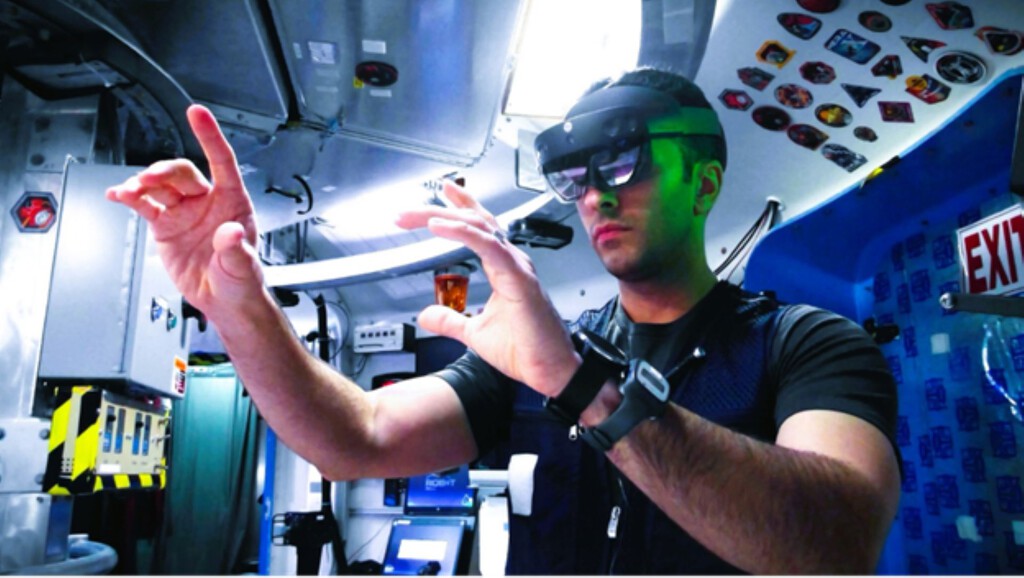
Unlike previous simulations, this mission will couple a HERA-based vehicle with a larger habitat, mimicking both the journey and the destination. Volunteers will face confinement, limited resources, and the psychological strain of isolation—all critical factors for success on Mars.
Building on HERA and CHAPEA
HERA (Human Exploration Research Analog) is a small, 60-square-meter habitat that simulates the cramped conditions of a spacecraft. CHAPEA (Crew Health and Performance Exploration Analog) is a larger, 158-square-meter habitat that replicates a base on Mars or the Moon.
By linking the two, NASA will study how crews handle the transition from a confined spacecraft to a more spacious surface habitat. This approach adds realism and helps researchers understand the full spectrum of challenges astronauts will face.
Why NASA Needs Analog Missions
Space travel leaves no room for improvisation, especially when the destination is as hostile and unexplored as Mars. Before astronauts set foot on the Red Planet, NASA must ensure they can survive and thrive in extreme conditions.
Analog missions allow researchers to study human behavior, resource management, and equipment performance in a controlled environment. They also help identify potential problems early, reducing risks for actual missions.
- Psychological resilience: Volunteers must cope with isolation, confinement, and limited communication with the outside world.
- Resource management: The crew will have to ration food, water, and supplies, just as they would on a real mission.
- Team dynamics: Living and working in close quarters with the same people for a year tests interpersonal skills.
- Operational procedures: NASA will evaluate how well equipment and protocols work in a simulated extraterrestrial environment.
- Health and performance: Researchers will monitor the crew's physical and mental health throughout the mission.
What the Simulation Entails
The mission is expected to begin no earlier than August 2027, and NASA is still recruiting volunteers. Selected participants will live in a habitat that mimics the conditions of a Mars or Moon base for a full year.
They will experience delayed communication with mission control, limited privacy, and a restricted diet. The goal is to replicate the stressors of long-duration spaceflight as closely as possible.
Habitat and Living Conditions
The simulation will combine a HERA-like vehicle with a larger CHAPEA-style habitat. This setup allows the crew to move between a cramped spacecraft and a more expansive base, mirroring the architecture of a real mission.
Volunteers will have private quarters, communal areas, and workspaces, but they will be isolated from the outside world. They will rely on pre-packaged food and limited resources, just as astronauts would on Mars.
| Feature | HERA | CHAPEA | New Analog Mission |
|---|---|---|---|
| Habitat size | 60 m² | 158 m² | Combined HERA + CHAPEA |
| Focus | Confinement during space travel | Surface base on Mars/Moon | Journey and destination |
| Duration | Varies (typically shorter) | Up to 1 year | 1 year |
| Start date | Ongoing | Ongoing | No earlier than August 2027 |
Who Can Apply?
NASA is looking for healthy, motivated individuals with a background in science, engineering, or medicine. Applicants must be U.S. citizens or permanent residents and meet physical and psychological requirements.
Successful candidates will undergo extensive training before the mission begins. They must be team players, adaptable, and able to handle stress in a confined environment. The background to this story is set out in ESA Tests Rosalind Franklin Rover in Almería Desert Simulation. A related thread runs through NASA Starliner: Astronauts Stranded 9 Months, NASA Still Trusts Boeing. Earlier coverage in NASA Voyager 2 Power Boost: Extending Interstellar Mission shows how the argument developed.
What This Means for Future Space Exploration
The data gathered from this analog mission will inform NASA's plans for human missions to Mars and the Moon. It will help engineers design better habitats, psychologists develop support systems, and mission planners create realistic schedules. A closer look at the same subject appears in NASA Sends Three Fully Autonomous Robots to the Moon. Anyone following the wider picture can start with China's Dark Tourism Boom: Simulated Typhoons Drive Travel Trend. The same theme surfaces in James Webb Red Dots Explained by Early Universe Simulation, which takes a different angle.
As NASA aims to return humans to the Moon and eventually send astronauts to Mars, simulations like this are essential stepping stones. They ensure that when the first crew leaves Earth for Mars, they are as prepared as possible. Context on how this played out before sits in NASA Creates Emeritus Astronaut Title as Retirements Rise. A companion piece, Nurdle Spill Cleanup: Volunteers Battle Plastic Pollution, approaches the same subject from another angle.
FAQ
What is the Moon and Mars Exploration Analog mission?
It is a NASA analog mission that combines the HERA and CHAPEA simulations to study the challenges of long-duration spaceflight. Volunteers will live in a simulated Mars or Moon base for one year.
When will the mission start?
The mission is expected to begin no earlier than August 2027. NASA is currently recruiting volunteers.
What are the requirements to volunteer?
Applicants must be U.S. citizens or permanent residents, healthy, and have a background in science, engineering, or medicine. They must also pass physical and psychological evaluations.
Why does NASA use analog missions?
Analog missions allow NASA to test equipment, procedures, and human performance in a safe, controlled environment. They help reduce risks for future space missions.
Browse the Shop
 Acacia frida deluxe solid wood bed frame |
Bedroom bench |
Bed chest drawers |
Lingerie dresser |
Frame base |
Mirror with jewelry storage |
30 Bathroom Vanity |
Memory foam queen mattress |
Mattresses for back pain |
Nightstand set of 2 |
Grand Goldman Shop |
Civil Lawyer
Deutschland Trikot WM 2026







