

NASA's space shuttle program, which ended with Atlantis's landing on July 21, 2011, still stands as the most complex and versatile spacecraft ever built. Fifteen years later, no vehicle has matched its combination of capabilities, and its legacy continues to shape modern spaceflight.
The Space Shuttle: A Unique and Versatile Vehicle
The space shuttle was unlike any spacecraft before or since. It launched like a rocket, operated as a laboratory and satellite deployer in orbit, and returned to Earth as a glider, landing on a runway without engines. This design allowed it to carry large payloads, perform repairs in space, and ferry astronauts to and from the International Space Station.
Find Original Home Decor sparking conversation at Grand Goldman Shop.

Its three main components—the orbiter, the external tank, and the solid rocket boosters—worked together to make this possible. The orbiter was reusable, but the external tank was not, and the boosters were recovered and refurbished. This partially reusable system was a compromise that enabled incredible feats but also drove high costs and complexity.
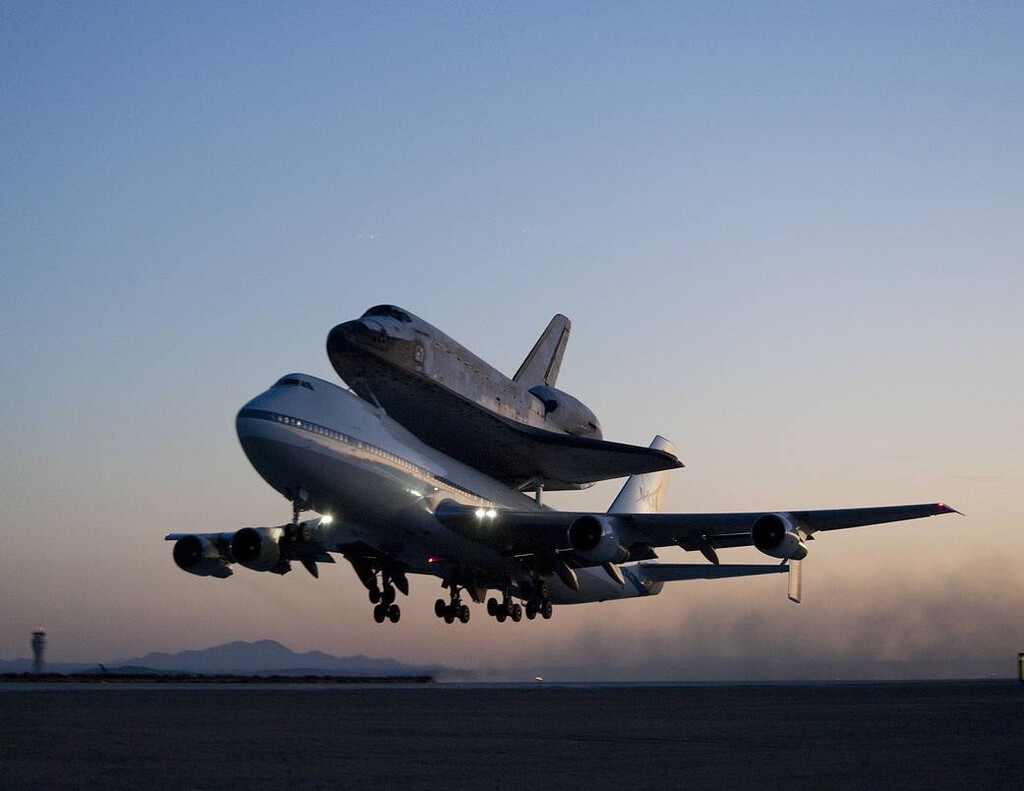
Why the Shuttle Was Retired
The shuttle program was retired for several reasons. The Challenger and Columbia disasters highlighted safety risks, and the vehicle's age and maintenance needs made it increasingly expensive to operate. NASA estimated that each shuttle launch cost around $450 million to $1.5 billion, far more than initially promised.
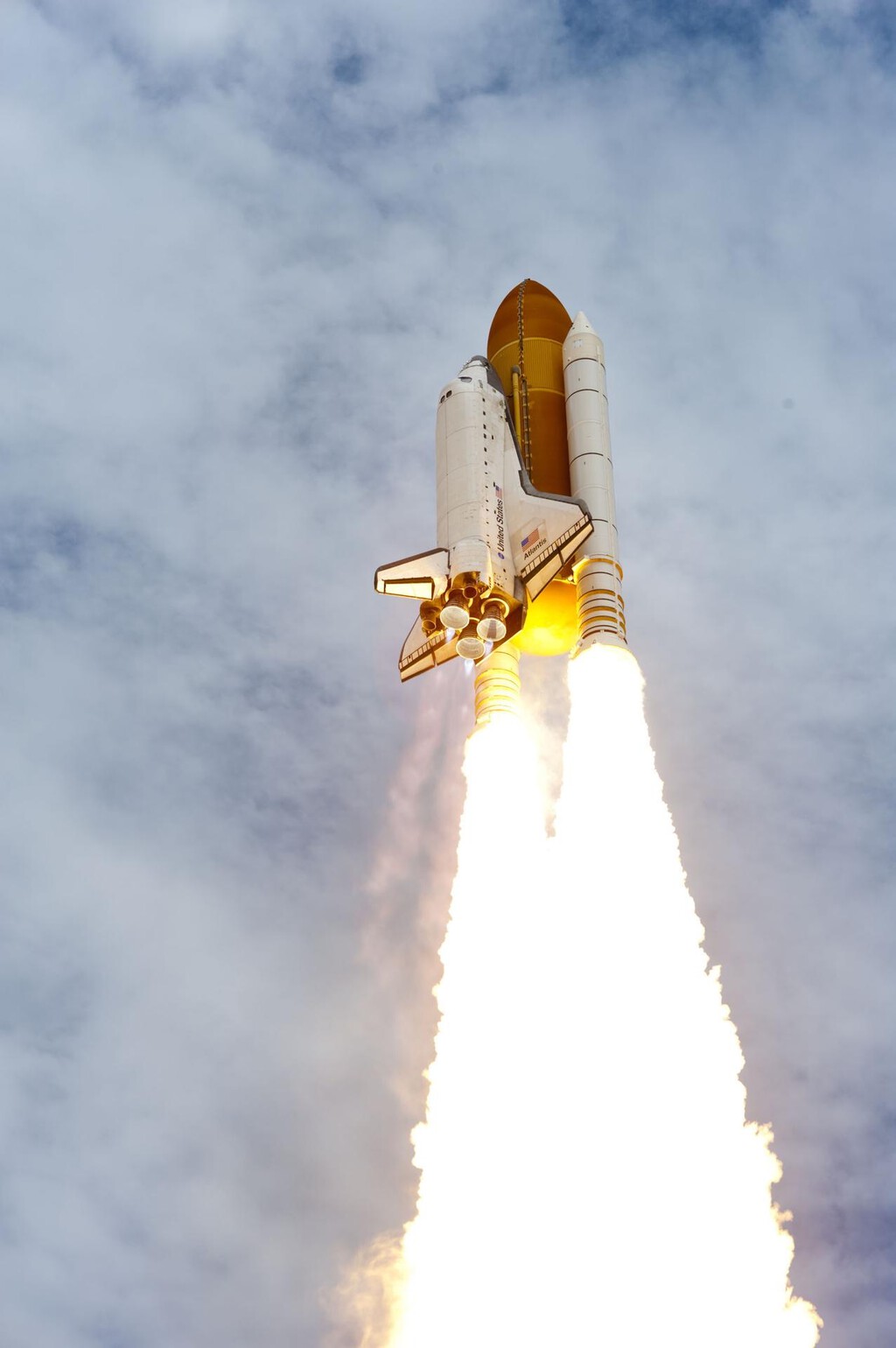
Additionally, the shuttle was designed for low Earth orbit missions, but NASA's ambitions extended beyond. The agency needed to focus on deep space exploration and support the development of commercial crew vehicles. The retirement freed up resources for these new directions.
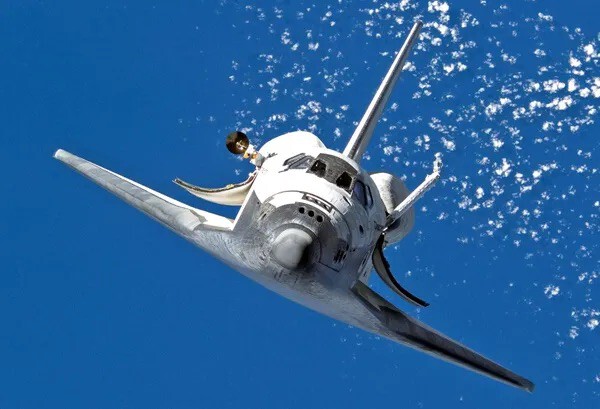
The Shuttle's Legacy in Modern Spaceflight
Despite its retirement, the shuttle's influence is evident in today's space industry. The reusable rocket technology pioneered by SpaceX and others owes a debt to the shuttle's example. The Falcon 9 and Starship are direct descendants of the idea that spaceflight can be more affordable through reuse.
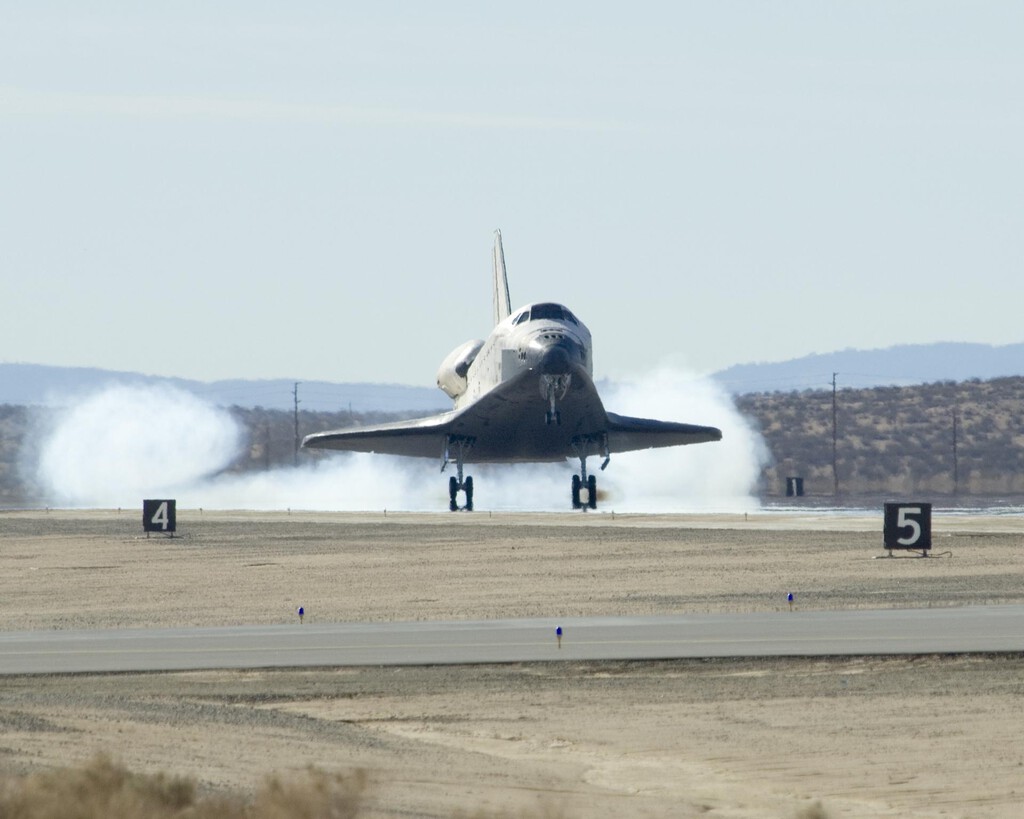
Moreover, the shuttle enabled the construction of the International Space Station, which has been continuously inhabited since 2000. Without the shuttle's heavy-lift capacity and robotic arm, the ISS as we know it would not exist. The lessons learned from shuttle operations also inform current and future missions.
Comparing the Shuttle to Modern Spacecraft
While modern crew capsules like SpaceX's Crew Dragon and Boeing's Starliner are safer and more cost-effective for transporting astronauts, they lack the shuttle's versatility. The table below highlights key differences.
| Feature | Space Shuttle | Modern Crew Capsules |
|---|---|---|
| Reusability | Partially reusable (orbiter reused) | Partially reusable (capsule reused) |
| Payload Capacity | Up to 27,500 kg to LEO | Up to 6,000 kg to LEO |
| Crew Size | Up to 8 astronauts | Up to 4 astronauts |
| Landing Method | Runway landing | Parachute splashdown |
| Mission Duration | Up to 17 days | Up to 210 days (docked) |
What We Lost and What We Gained
The shuttle's retirement left a gap in capabilities, particularly in satellite repair and heavy cargo transport. However, it also spurred innovation. Commercial companies have taken over low Earth orbit transportation, reducing costs and increasing access. NASA now focuses on deep space exploration with the Space Launch System and Orion spacecraft.
Yet, no vehicle currently combines the shuttle's ability to launch, service, and return large payloads with a crew. This unique capability is why the shuttle remains irreplaceable for certain missions, such as retrieving satellites or assembling large structures in orbit. The background to this story is set out in Spacecraft Rescue Mission for NASA Telescope Fails. A related thread runs through NASA Creates Emeritus Astronaut Title as Retirements Rise. Earlier coverage in NASA Starliner: Astronauts Stranded 9 Months, NASA Still Trusts Boeing shows how the argument developed.
The Future of Reusable Spacecraft
The dream of making space access routine continues. SpaceX's Starship aims to be fully reusable and capable of carrying massive payloads to orbit and beyond. NASA's Artemis program plans to return humans to the Moon and eventually to Mars. These efforts build on the shuttle's legacy but with new technologies and approaches. A closer look at the same subject appears in NASA Sends Three Fully Autonomous Robots to the Moon. Anyone following the wider picture can start with NASA Voyager 2 Power Boost: Extending Interstellar Mission. The same theme surfaces in Tajo-Segura Water Transfer: Why It Remains Irreplaceable for Spain, which takes a different angle.
As we look ahead, the shuttle's story reminds us that innovation often comes with trade-offs. Its ambition and achievements were unparalleled, but so were its costs and risks. The next generation of spacecraft will need to balance these factors to make spaceflight sustainable and safe. Context on how this played out before sits in RBA Cash Rate Hike to 4.6%: Highest Level Since 2011. A companion piece, Lara Croft Returns in Legacy of Atlantis: A Classic Tomb Raider, approaches the same subject from another angle.
FAQ
Why was the space shuttle retired?
The space shuttle was retired due to high operational costs, safety concerns after the Challenger and Columbia disasters, and the need to redirect resources toward deep space exploration and commercial crew development.
What were the shuttle's main achievements?
The shuttle launched and serviced satellites like the Hubble Space Telescope, built the International Space Station, and conducted hundreds of scientific experiments in orbit.
How does the shuttle compare to modern spacecraft?
Modern crew capsules are safer and more cost-effective for crew transport but lack the shuttle's versatility for heavy cargo and satellite servicing. The shuttle could carry larger payloads and perform complex in-orbit operations.
Will there ever be a shuttle-like vehicle again?
While no direct replacement is planned, reusable vehicles like SpaceX's Starship aim to combine heavy-lift capability with reusability, potentially fulfilling some of the shuttle's roles in the future.
Browse the Shop
 Acacia frida deluxe solid wood bed frame |
Bedroom bench |
Bed chest drawers |
Lingerie dresser |
Frame base |
Mirror with jewelry storage |
30 Bathroom Vanity |
Memory foam queen mattress |
Mattresses for back pain |
Nightstand set of 2 |
Grand Goldman Shop |
Civil Lawyer
Deutschland Trikot WM 2026







