

The Moon is home to the largest spacecraft graveyard in the Solar System, with more than 70 objects that have crashed, landed, or been deliberately destroyed on its surface. This lunar debris field tells the story of humanity's exploration of the Moon and raises important questions about space sustainability.
Why the Moon Is a Spacecraft Graveyard
Since the first lunar missions in the late 1950s, countries have sent numerous spacecraft to the Moon. Many of these missions ended with impacts, both intentional and accidental. Over time, these derelict spacecraft have accumulated, creating what is essentially a graveyard of space hardware.
Find Original Home Decor sparking conversation at Grand Goldman Shop.

Unlike space debris in Earth orbit, which can be actively tracked and sometimes removed, objects on the lunar surface are largely out of sight and out of mind. However, they represent a significant legacy of human activity beyond Earth.
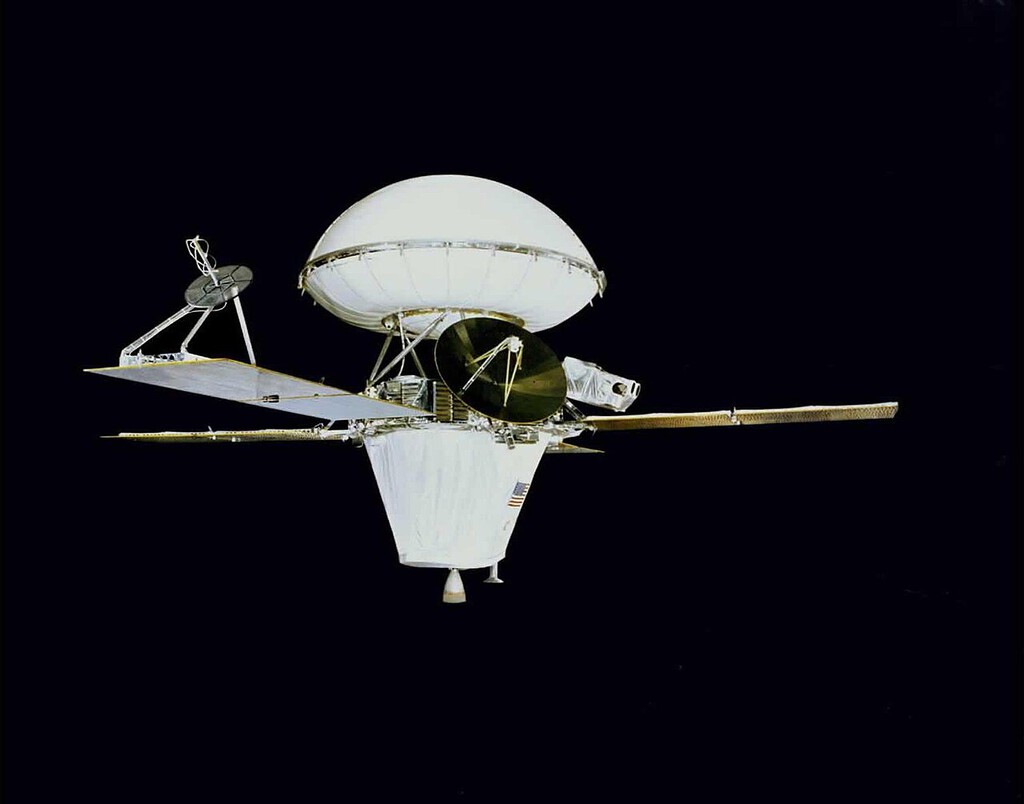
How Spacecraft End Up on the Moon
Spacecraft have reached the Moon in four primary ways, each leaving behind debris. Understanding these methods helps explain the variety of objects now resting on the lunar surface.
- Deliberate impact: Some spacecraft were intentionally crashed into the Moon to test technology or study the lunar surface.
- Accidental collision: Missions that failed or lost control sometimes crashed unintentionally.
- Controlled deorbit: Spacecraft at the end of their mission were sometimes deliberately steered to crash in a controlled manner.
- Soft landing: Landers and rovers that successfully touched down but are now inactive remain on the surface.
These categories cover only the spacecraft themselves. Items like golf balls left by Apollo astronauts or flags are not included in the count of 70, but they add to the human footprint on the Moon.
Notable Objects in the Lunar Graveyard
Among the 70 objects, some stand out for their historical significance. For example, Luna 2, a Soviet spacecraft, was deliberately crashed into the Moon on September 13, 1959. This mission had two goals: to prove that a spacecraft could reach the Moon and to study the lunar environment before impact.
Other notable debris includes the impactors from various missions, such as the Ranger series and the Lunar Crater Observation and Sensing Satellite (LCROSS). These intentional impacts have helped scientists learn about the Moon's composition and geology.
Comparison of Spacecraft Graveyards
The Moon is not the only place with spacecraft debris. Mars also has a collection of derelict landers, rovers, and even a helicopter. However, the Moon's graveyard is the largest by far.
| Location | Number of Objects | Types of Debris |
|---|---|---|
| Moon | Over 70 | Impactors, landers, rovers, crashed spacecraft |
| Mars | 17 | Landers, rovers, helicopter |
This table highlights the scale of lunar debris compared to Mars. The Moon's proximity and long history of exploration have made it the primary site for spacecraft remains.
What This Means for Future Space Exploration
As space agencies and private companies plan to return to the Moon, the existing debris could pose challenges. Future missions may need to avoid landing near debris fields or could even repurpose materials from old spacecraft. Recycling space debris is an emerging field, but legal and technical hurdles remain.
There are already projects aimed at recycling space materials, but legislation can slow progress. International space law does not clearly address ownership of abandoned spacecraft, which complicates salvage efforts. The background to this story is set out in NASA Launch Facilities Too Old for Artemis Moon Missions. A related thread runs through SpaceX Rocket Moon Impact: What Science Saw in the Plume. Earlier coverage in SpaceX Rocket Crashes into Moon: What It Means for Space Debris shows how the argument developed.
The Growing Problem of Space Debris
While the Moon's graveyard is a historical record, it also reflects a broader issue: space debris is accumulating not just in orbit but on other celestial bodies. As more missions are sent to the Moon and beyond, the number of derelict objects will increase. A closer look at the same subject appears in NASA Sends Three Fully Autonomous Robots to the Moon. Anyone following the wider picture can start with Margaret Hamilton, the Software Pioneer Who Landed NASA on the Moon. The same theme surfaces in SpaceX Rocket to Crash Into Moon: Why Astronomers Are Excited, which takes a different angle.
This raises questions about how to manage space debris sustainably. Some experts suggest that future missions should be designed with end-of-life plans that include safe disposal or recycling. Context on how this played out before sits in Original ideas to hide objects in your home. A companion piece, Consoles and retro objects that can decorate your home, approaches the same subject from another angle.
FAQ
How many spacecraft are on the Moon?
There are over 70 spacecraft and related objects on the Moon, including impactors, landers, and rovers that have crashed or been left behind.
What was the first spacecraft to reach the Moon?
Luna 2, a Soviet spacecraft, was the first human-made object to reach the Moon when it impacted on September 13, 1959.
Why is the Moon a graveyard for spacecraft?
The Moon's proximity and long history of exploration have led to many missions ending there, either intentionally or accidentally, creating a large collection of debris.
Can space debris on the Moon be recycled?
There are projects exploring recycling of space materials, but legal and technical challenges remain, including ownership issues and the difficulty of accessing lunar debris.
Browse the Shop
 Acacia frida deluxe solid wood bed frame |
Bedroom bench |
Bed chest drawers |
Lingerie dresser |
Frame base |
Mirror with jewelry storage |
30 Bathroom Vanity |
Memory foam queen mattress |
Mattresses for back pain |
Nightstand set of 2 |
Grand Goldman Shop |
Civil Lawyer
Deutschland Trikot WM 2026







