

The iPhone 18 Pro and Pro Max are the first Apple phones to feature a variable aperture camera, a long-rumored upgrade that finally arrives. Analyst Ming-Chi Kuo first predicted this move in December 2024, and now it’s official. But what does variable aperture actually do, and how can you use it to take better photos? Here’s everything you need to know.
What Is Variable Aperture and Why Does It Matter?
Aperture refers to the size of the opening in the lens that lets light reach the sensor. It’s measured in f-numbers: a lower number like f/1.8 means a larger opening, while a higher number like f/4 means a smaller opening. Most smartphone cameras have a fixed aperture, but variable aperture lets you adjust it manually or automatically.
Find Original, High-end Home Decor that spark conversation at Grand Goldman Shop.
This matters because aperture controls two key things: exposure and depth of field. A wide aperture (e.g., f/1.8) lets in more light for low-light shots and creates a shallow depth of field, blurring the background. A narrow aperture (e.g., f/4) lets in less light but keeps more of the scene in focus, which is great for landscapes.
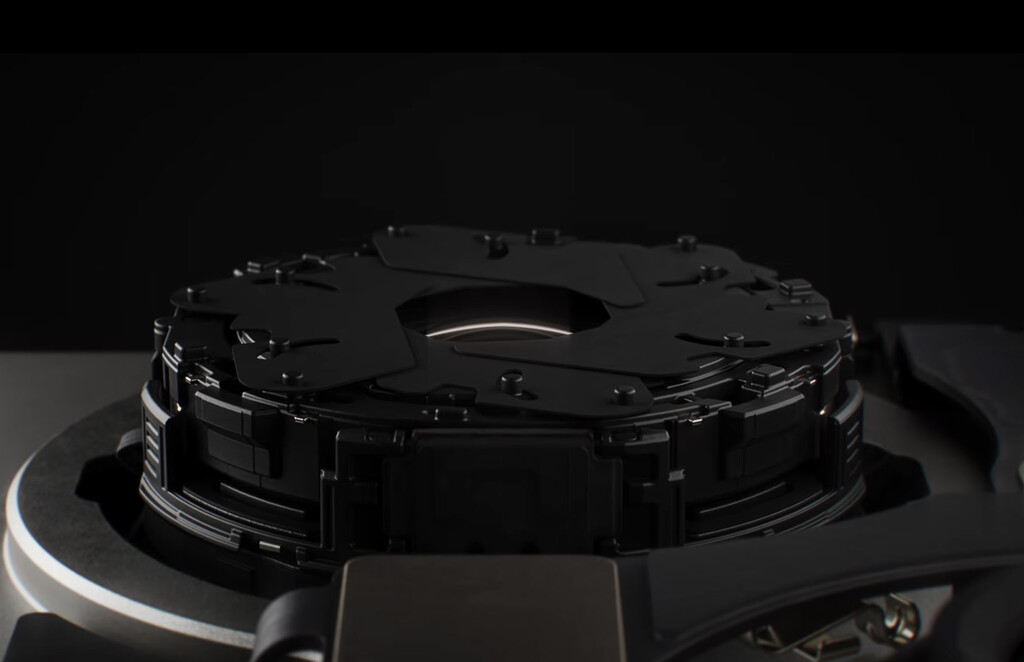
How Does Apple’s Implementation Compare?
Apple isn’t the first to adopt this technology. Samsung introduced dual aperture on the Galaxy S9 in 2018, and Xiaomi’s 14 Ultra offers a continuous variable aperture from f/1.63 to f/4.0. Apple’s approach is expected to be similar, giving users more control over their photography.
While the exact specifications aren’t yet confirmed, the iPhone 18 Pro’s variable aperture will likely allow seamless switching between wide and narrow settings. This could be a game-changer for portrait mode, low-light photography, and creative shots.
How to Get the Most Out of the Variable Aperture Camera
To take full advantage of the new camera, you’ll want to understand when to use a wide or narrow aperture. Here are some practical tips:
- Low-light scenes: Use a wide aperture (e.g., f/1.8) to let in more light and reduce noise.
- Landscapes: Use a narrow aperture (e.g., f/4) to keep everything from foreground to background in sharp focus.
- Portraits: A wide aperture creates a beautiful background blur, but a slightly narrower setting can keep the entire face sharp.
- Creative effects: Experiment with different apertures to control depth of field and create unique bokeh shapes.
- Video: Variable aperture can also help maintain consistent exposure when lighting changes.
What This Means for iPhone Photography
The addition of variable aperture brings the iPhone closer to professional cameras, offering more creative flexibility. It also puts Apple on par with competitors like Samsung and Xiaomi, who have offered similar features for years. The background to this story is set out in iPhone 18 Pro vs iPhone 17 Pro: Key Differences to Decide If It's Worth. A related thread runs through Vivo X500 Pro Max Camera Test: A Phone That Replaces Your Camera.
For everyday users, the biggest benefit is likely improved low-light performance and more natural-looking portrait mode. For pro users, manual control over aperture opens up new creative possibilities. Earlier coverage in iPhone 18 Pro Max vs iPhone 17 Pro Max: Key Upgrades Compared shows how the argument developed. A closer look at the same subject appears in iPhone Duo Continuity: The Real Feature Android Should Copy.
Comparison of Variable Aperture Implementations
| Phone | Aperture Range | Year Introduced |
|---|---|---|
| Samsung Galaxy S9 | f/1.5 and f/2.4 (dual) | 2018 |
| Xiaomi 14 Ultra | f/1.63 to f/4.0 (continuous) | 2024 |
| iPhone 18 Pro | TBD (likely continuous) | 2025 |
What to Watch Next
As developers update their apps, we’ll see more advanced uses of the variable aperture. Apple may also introduce software features that leverage the hardware, such as improved Night mode or new portrait lighting effects. Anyone following the wider picture can start with iPhone 18 Pro and 18 Pro Max Preorders in Spain: Where to Buy Today. The same theme surfaces in iPhone 18 Pro Upgrade: Is It Worth It From 14 Pro, 15 Pro, or 16 Pro, which takes a different angle.
Keep an eye on our iPhone 18 Pro Max camera review: variable aperture impresses for in-depth analysis. And if you’re deciding between models, our guide to the best iPhones with variable aperture camera can help.
FAQ
What is variable aperture on a smartphone camera?
Variable aperture allows the camera lens to adjust the size of its opening, controlling how much light reaches the sensor. This affects exposure and depth of field, giving photographers more creative control.
Is the iPhone 18 Pro the first phone with variable aperture?
No, Samsung introduced dual aperture on the Galaxy S9 in 2018, and Xiaomi offered continuous variable aperture on the 14 Ultra in 2024. The iPhone 18 Pro is Apple’s first implementation.
How does variable aperture improve photos?
It allows for better low-light performance with a wide aperture and greater depth of field with a narrow aperture. It also enables more natural background blur in portraits.
Can I control the aperture manually on the iPhone 18 Pro?
While Apple hasn’t confirmed, it’s likely that the camera app will offer manual control or automatic adjustments based on scene detection, similar to other phones with this feature.
Browse the Shop
 Acacia frida deluxe solid wood bed frame |
Bedroom bench |
Bed chest drawers |
Lingerie dresser |
Frame base |
Mirror with jewelry storage |
30 Bathroom Vanity |
Memory foam queen mattress |
Mattresses for back pain |
Nightstand set of 2 |
Grand Goldman Shop |
Civil Lawyer
Deutschland Trikot WM 2026







