

Archaeologists have uncovered ancient secrets on the Cíes Islands, revealing a history that spans from before the Roman arrival to the Middle Ages. The islands, located in the Rías Baixas of Galicia, Spain, have long been celebrated for their natural beauty, but new research shows they also hold significant archaeological value.
The Cíes Islands were declared a National Park in 2002, and nearly two decades ago, The Guardian newspaper called them home to the best beach in the world. Now, a team from the University of Vigo has conducted surveys that shed light on the archipelago's past, expanding our understanding of life there over a wide chronological range.
Find Original Home Decor sparking conversation at Grand Goldman Shop.

What Did Archaeologists Find on the Cíes Islands?
Between April and early May, researchers from the University of Vigo carried out a series of test pits on the islands. Their work focused on two main areas. The first expanded on previous work from last year, while the second explored new ground.
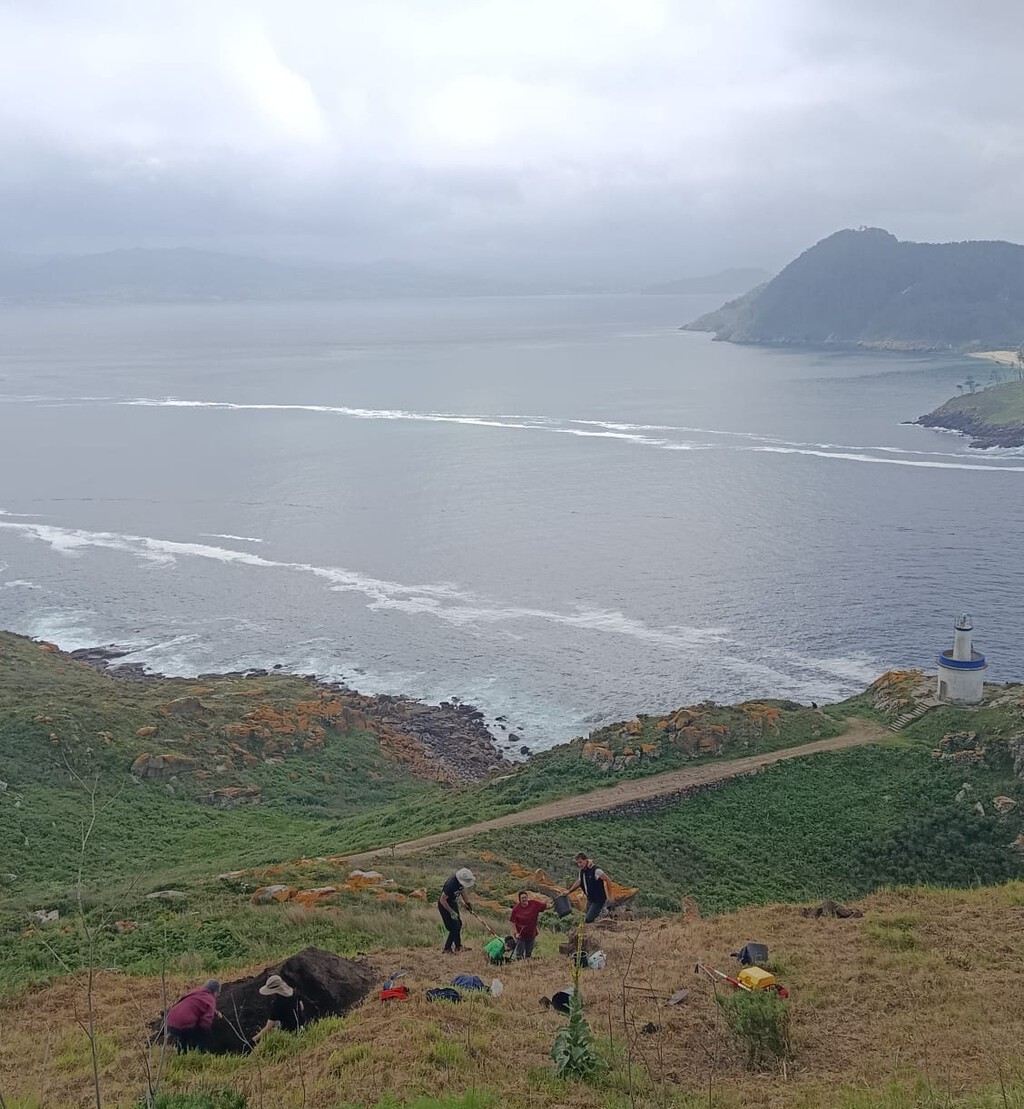
The surveys have allowed experts to piece together a more detailed picture of the islands' history, from the Iron Age castro culture to the medieval period. This is significant because it shows that the Cíes Islands were not just a natural paradise but also a place of human activity for centuries.
Why This Discovery Matters
The findings are important for several reasons. They provide tangible evidence of continuous human presence on the islands, which helps historians understand how these coastal communities evolved. The research also highlights the need to protect not only the natural environment but also the cultural heritage of the Cíes.
Moreover, the discovery could boost tourism by adding a historical dimension to the islands' appeal. Visitors already flock to the Cíes for their pristine beaches and hiking trails, and now they have another reason to explore: the chance to walk through layers of history.
- New surveys conducted by the University of Vigo have uncovered evidence of human activity on the Cíes Islands from pre-Roman times to the Middle Ages.
- The research focused on two main areas, expanding on previous work and exploring new ground.
- The findings highlight the archaeological importance of the islands, which are already a National Park.
- This discovery adds a cultural dimension to the islands' natural beauty, potentially attracting more visitors.
What Is Next for the Cíes Islands Research?
The archaeologists plan to continue their work, hoping to uncover more details about the daily lives of the people who inhabited the islands. Future excavations may reveal structures, artifacts, and other traces that could further illuminate the past.
The team is also likely to analyze the data collected during this season to better understand the chronology and the nature of the settlements. This could lead to new insights into trade, subsistence, and cultural exchanges in the region.
How Does This Compare to Other Archaeological Sites?
The Cíes Islands are not the only site in Galicia with a rich history. The region is dotted with castros (Iron Age hillforts) and Roman remains. However, the islands' unique location offers a different perspective on coastal settlement and maritime activities.
| Site | Period | Key Features |
|---|---|---|
| Cíes Islands | Iron Age to Medieval | Coastal settlement, possible maritime trade |
| Santa Tegra | Iron Age | Large hillfort, panoramic views |
| Lugo | Roman | Roman walls, historic city |
While other sites like Santa Tegra and Lugo are well-known, the Cíes Islands offer a unique combination of natural beauty and archaeological potential. The ongoing research will help to place the islands within the broader context of Galician history. The longer history behind the story is traced in Plague of Athens: What Caused the Deadly Epidemic 2,500 Years Ago. More on the surrounding debate is collected in 2,000-Year-Old Trisquel Stone Found in Galician Hillfort.
What Does This Mean for Visitors?
For travelers, the discovery adds another layer of interest to a visit to the Cíes Islands. Beyond the stunning beaches and clear waters, visitors can now appreciate the islands as a place where ancient people lived and worked. The background to this story is set out in Archaeologists Unearth 1,800-Year-Old Roman Coin Hoard in France. A related thread runs through Fiji's Tiny Island Made of Shells Is an Archaeological Find. Earlier coverage in Ancient Roman Library Discovered in Cordoba, Spain shows how the argument developed.
Guided tours may soon include information about the archaeological findings, and there is potential for future exhibits or interpretive centers. This could enhance the educational value of a trip to the islands. A closer look at the same subject appears in Herculaneum Papyri: How Archaeologists Can Now Read Them. Anyone following the wider picture can start with Salamanca Cathedral Dig Uncovers Roman Caldron and Ancient Tombs. The same theme surfaces in Alarcos Excavation Reveals Major Archaeological Discovery in Spain, which takes a different angle.
As the research progresses, it may also lead to new regulations or protections for the archaeological sites, ensuring that they are preserved for future generations. Context on how this played out before sits in Queensland Police Officer's Buried Secrets: Dig Uncovers Truth. A companion piece, Best UK Universities for Anthropology & Archaeology: League Table, approaches the same subject from another angle.
FAQ
What are the Cíes Islands?
The Cíes Islands are an archipelago in the Rías Baixas of Galicia, Spain. They are part of the Atlantic Islands of Galicia National Park and are famous for their beaches, including Rodas Beach, which The Guardian once ranked as the best in the world.
What did archaeologists discover on the Cíes Islands?
Archaeologists from the University of Vigo conducted surveys that uncovered evidence of human activity spanning from the Iron Age to the Middle Ages. This expands our understanding of the islands' history and shows they were inhabited for centuries.
Why is this discovery important?
It highlights the cultural heritage of the Cíes Islands, which were previously known mainly for their natural beauty. The findings provide insights into coastal settlements and may lead to further archaeological research and protection of the sites.
Can visitors see the archaeological sites?
At present, the sites are not open to the public, but future plans may include guided tours or interpretive displays. Visitors can still enjoy the islands' natural attractions and learn about their history through local museums and exhibitions.
The Cíes Islands continue to surprise us, blending natural splendor with a deep historical legacy. As archaeologists dig deeper, they are not only uncovering the past but also enriching the present-day experience of this unique destination.
Browse the Shop
 Acacia frida deluxe solid wood bed frame |
Bedroom bench |
Bed chest drawers |
Lingerie dresser |
Frame base |
Mirror with jewelry storage |
30 Bathroom Vanity |
Memory foam queen mattress |
Mattresses for back pain |
Nightstand set of 2 |
Grand Goldman Shop |
Civil Lawyer
Deutschland Trikot WM 2026







