

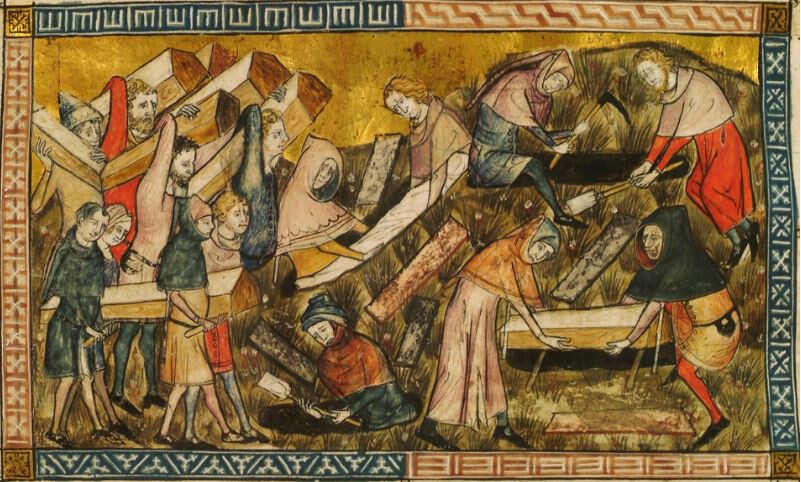
The Black Death mystery may finally have an answer, thanks to an unlikely source: ancient pine trees in the Spanish Pyrenees. A new study by Martin Bauch and Ulf Büntgen reveals how climate conditions set the stage for the deadliest pandemic in European history.
Between 1347 and 1353, the Black Death wiped out millions across Europe, with mortality rates reaching up to 60% in some regions. Yet the question of why the outbreak occurred then—and not earlier or later—has puzzled historians for nearly seven centuries.
Find Original Home Decor sparking conversation at Grand Goldman Shop.

Unlocking the Past Through Tree Rings
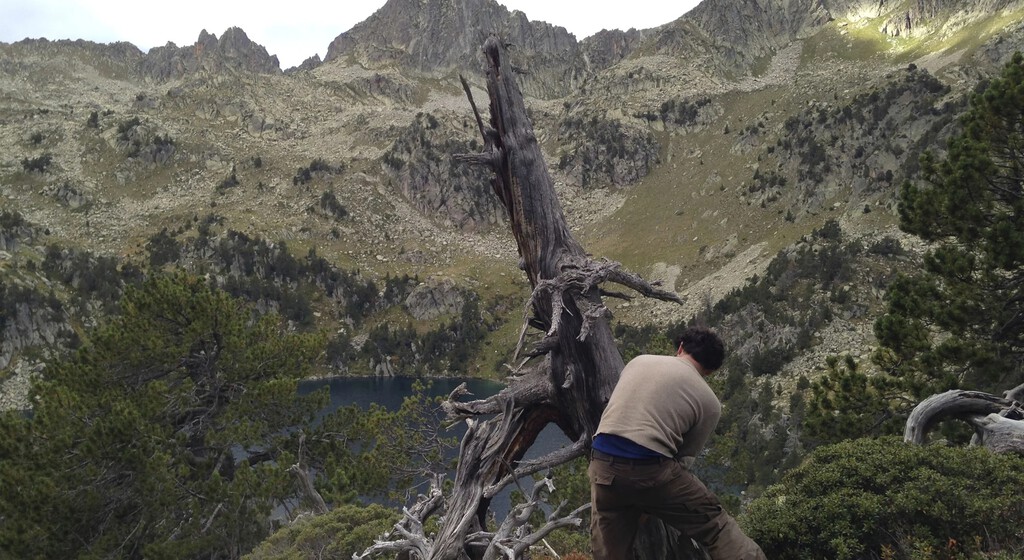
Bauch, from the GWZO research center, and Büntgen, from the University of Cambridge, turned to the Pyrenees for clues. By analyzing the growth rings of centuries-old pines, they reconstructed the medieval climate of Europe with remarkable precision.
Tree rings act as natural archives, recording yearly variations in temperature and rainfall. The researchers found that a distinct climate anomaly preceded the outbreak—a period of erratic weather that likely disrupted ecosystems and societies alike.
Why the 14th Century?
The study, published in Communications Earth & Environment, suggests that a sudden shift to cooler, wetter conditions created a perfect storm. Crop failures and livestock diseases may have weakened populations, making them more susceptible to the plague.
Moreover, these conditions could have driven rodent populations—carriers of the plague bacterium—into closer contact with humans. The climate stress likely exacerbated existing vulnerabilities in medieval Europe.
- Climate anomaly: Tree rings show a period of unstable weather before the Black Death.
- Agricultural stress: Cool, wet conditions led to harvest failures and famine.
- Rodent migration: Environmental changes pushed disease-carrying rodents toward human settlements.
- Social vulnerability: Malnourished populations were less able to resist infection.
- Historical insight: The findings highlight how climate can trigger public health crises.
The Role of Climate in Pandemic Outbreaks
This isn't the first time climate has been linked to historical pandemics. But the Pyrenees study offers some of the most direct evidence yet, connecting tree-ring data to a specific historical event.
Büntgen, a pioneer in dendrochronology, has previously used tree rings to study everything from volcanic eruptions to Roman history. Here, the team combined climate reconstructions with historical records of the plague's spread.
Comparing Climate Conditions
The table below summarizes key climate and societal factors before and during the Black Death, based on the study's findings.
| Factor | Pre-1347 | 1347-1353 |
|---|---|---|
| Temperature | Cooling trend | Continued cool, wet |
| Crop yields | Declining | Poor harvests |
| Rodent activity | Increased migration | Closer to humans |
| Population health | Weakened by famine | Highly vulnerable |
What This Means for Today
Understanding the Black Death's origins isn't just an academic exercise. It sheds light on how environmental changes can spark infectious disease outbreaks—a lesson that resonates in our own era of climate change. The longer history behind the story is traced in Black Death Mystery Solved: Tree Rings Reveal the Real Trigger.
As global temperatures rise and ecosystems shift, the risk of zoonotic diseases jumping to humans increases. The medieval case shows that climate stress can have cascading effects on public health. The background to this story is set out in Black Death's Four-Century Wave: What Really Happened. A related thread runs through Why Black Women Face Alarming Domestic Violence Death Rates. Earlier coverage in Trending: latest articles shows how the argument developed.
A Cautionary Tale
The study also underscores the importance of interdisciplinary research. By merging tree-ring science with history, Bauch and Büntgen have opened new avenues for exploring past pandemics. A closer look at the same subject appears in Medieval English Expats in Rome: The First Community Near the Vatican. Anyone following the wider picture can start with Urban Trees Under Threat: Why Cities Are Cutting Them. The same theme surfaces in The Surprising History of Milk: From Ancient Taboo to Modern Staple, which takes a different angle.
Their work reminds us that even centuries-old mysteries can yield fresh insights—and that nature's archives hold keys to our future. Context on how this played out before sits in Black Journalism's Role in an Era of Political Uncertainty. A companion piece, Xiaomi Desktop Speaker: Minimalist Soundbar Under 40 Euros, approaches the same subject from another angle.
FAQ
What did the tree rings reveal about the Black Death?
The tree rings showed a period of cool, wet weather before the outbreak, which likely caused crop failures and brought rodents closer to humans, setting the stage for the plague.
Why is this study important?
It provides concrete evidence linking climate anomalies to the timing of the Black Death, helping us understand how environmental factors can trigger pandemics.
How does this relate to modern pandemics?
The findings highlight the role of climate in disease emergence, which is relevant today as climate change alters ecosystems and increases human-wildlife contact.
What are the limitations of the study?
The study relies on correlations and local climate data, so further research is needed to confirm the mechanisms and apply them to other regions.
Browse the Shop
 Acacia frida deluxe solid wood bed frame |
Bedroom bench |
Bed chest drawers |
Lingerie dresser |
Frame base |
Mirror with jewelry storage |
30 Bathroom Vanity |
Memory foam queen mattress |
Mattresses for back pain |
Nightstand set of 2 |
Grand Goldman Shop |
Civil Lawyer
Deutschland Trikot WM 2026







