

Car design secrets explain why a vehicle can captivate you instantly, even before you know its brand or model. That sudden attraction is no accident—it's the result of deliberate choices made by designers years earlier.
We spoke with Paula Fabregat-Andreu, Design Project Director at Renault for the A and B segments, to uncover what lies behind that instant crush. Using the Renault Clio E-Tech as an example, she reveals how emotion is engineered into every curve.
Find Original Home Decor sparking conversation at Grand Goldman Shop.

The Psychology Behind First Impressions
Before you even notice a headlight or a logo, your brain has already formed an opinion. Psychologist Donald Norman, author of Emotional Design, calls this the visceral level—an immediate, pre-rational reaction based solely on appearance.
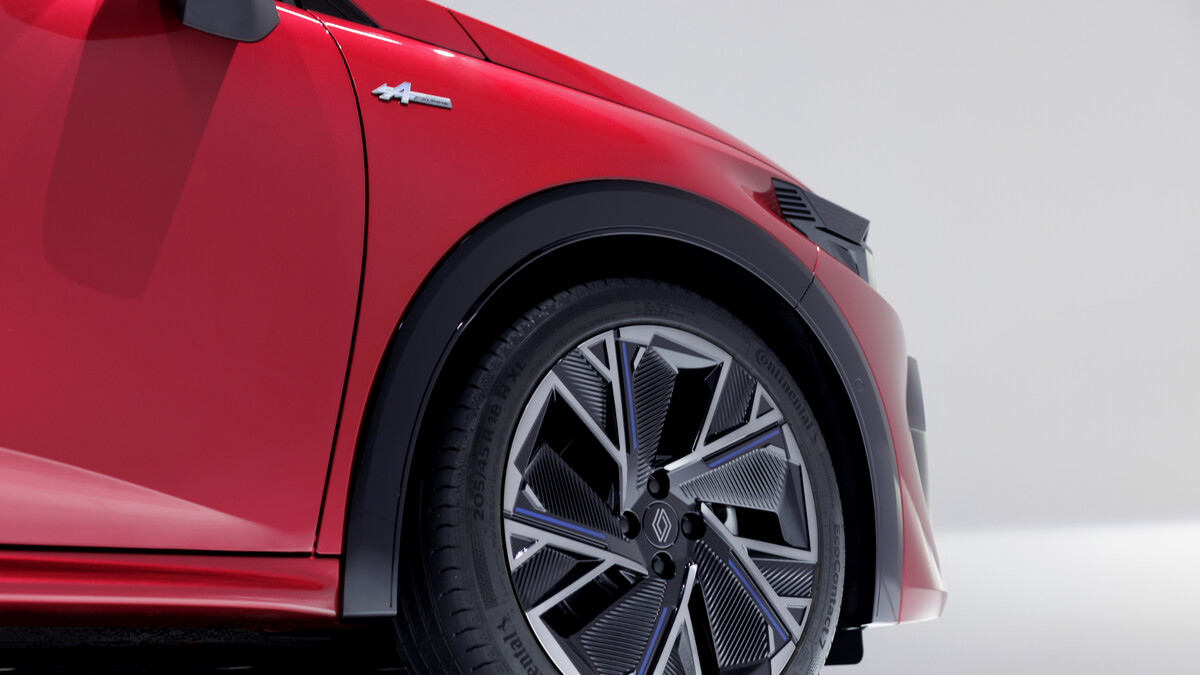
"Of course it's deliberate. I believe good design is the one that creates emotion," says Fabregat-Andreu. "The exercise of designing is to create that formula for each model." But there's no magic recipe; each car requires a unique approach.
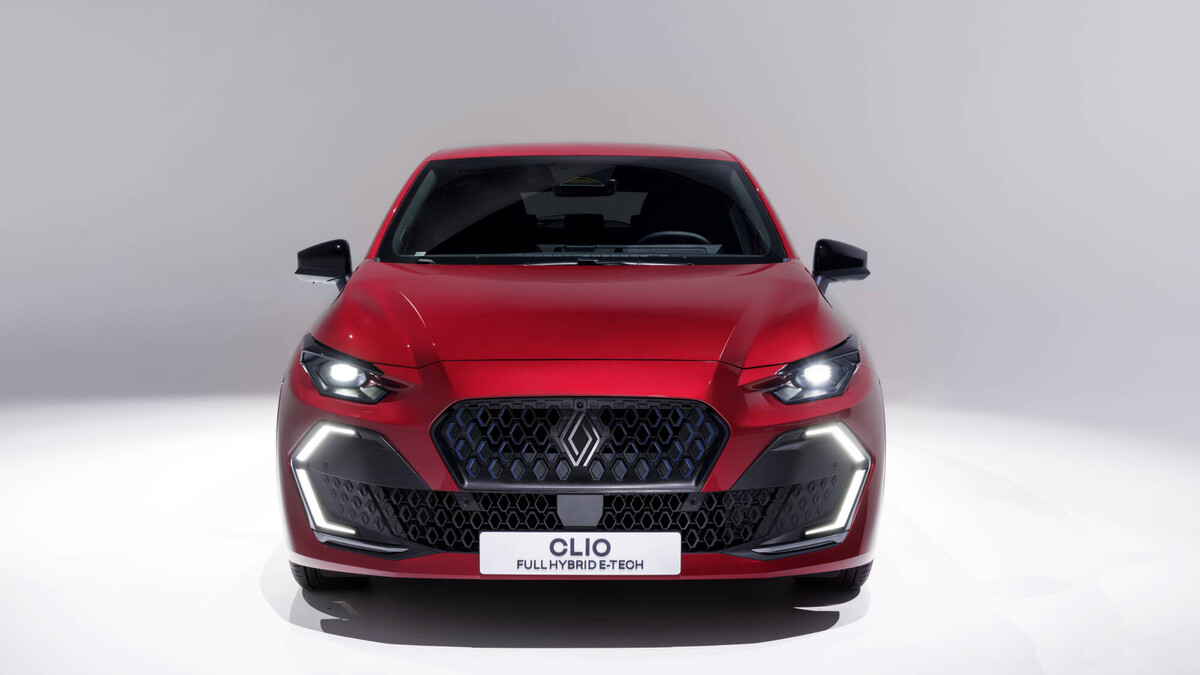
What the eye reads in that split second is the overall composition. "At first glance, proportions and silhouette. And as you get closer, you fall more in love thanks to volumes and details," she explains.
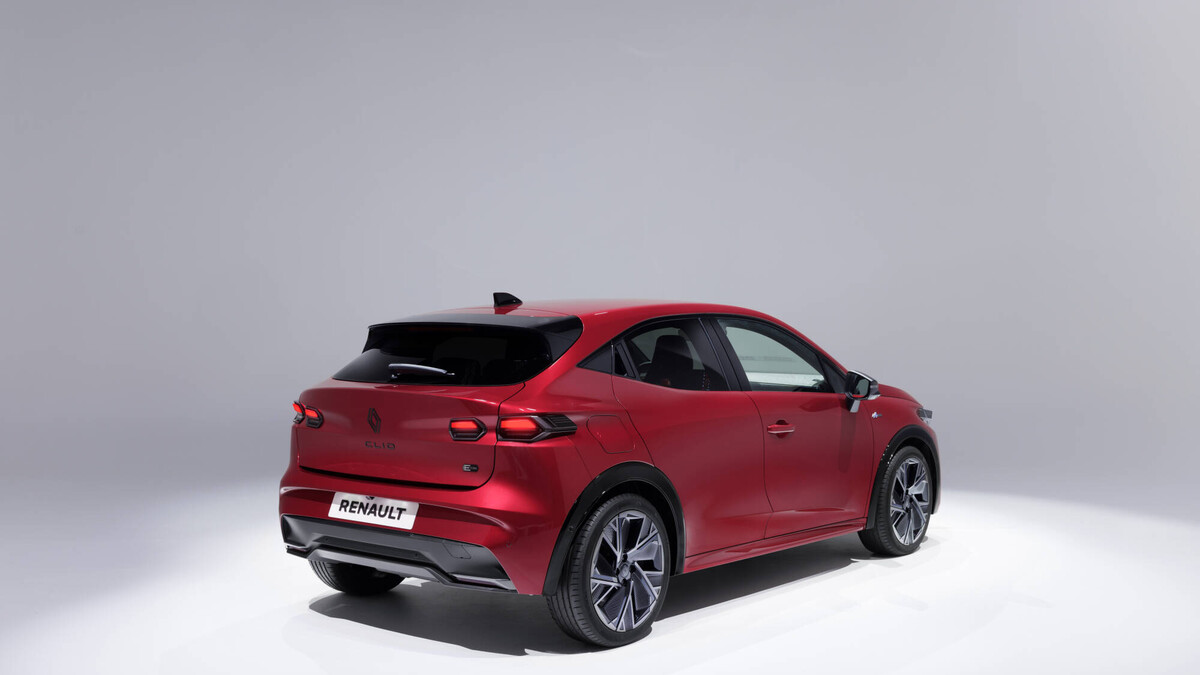
Key Elements That Trigger Attraction
Some elements might seem like accessories, but they're actually crucial. "The wheels and, above all, the dimensions of the tires are extremely important. They are an inseparable part of the proportions," Fabregat-Andreu notes.
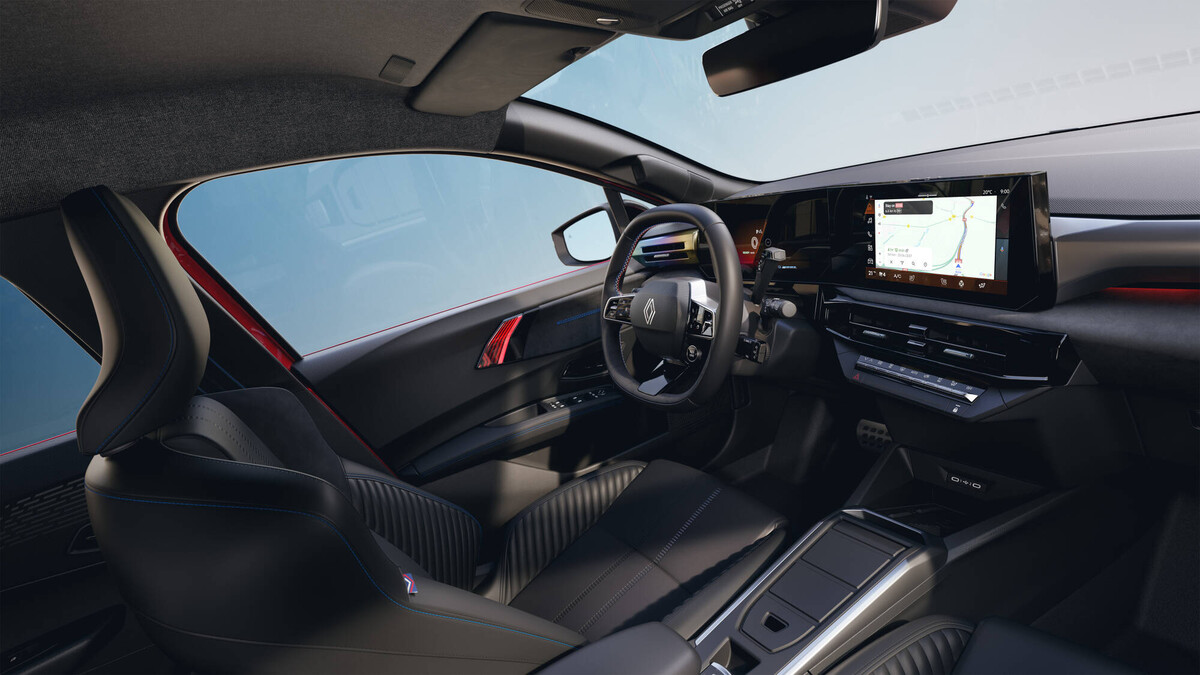
Beyond wheels, the proportions—the relationship between length, width, and height—set the stage for desire. The silhouette then defines the car's character, whether sporty, elegant, or rugged.
Details like the grille, lights, and character lines add layers of refinement that reward closer inspection. "When you approach, you fall in love more," she adds.
How Designers Create an Emotional Connection
Designers don't rely on a single formula; they craft a unique emotional signature for each model. This involves balancing proportions, volumes, and details to evoke a specific feeling.
For the Clio E-Tech, the goal was likely to combine modernity with approachability, creating a car that feels both advanced and familiar. The result is a design that resonates on an emotional level before logic kicks in.
This emotional design approach isn't limited to cars—it's a principle that applies to many products we love. Understanding it can help you appreciate why certain objects appeal to you. Context on how this played out before sits in Car Design Secrets: Why a Car Captivates You Instantly.
What This Means for Car Buyers
If you've ever been drawn to a car without knowing why, now you know: it's the result of careful design choices. Recognizing this can help you make more informed decisions when shopping for a vehicle. The background to this story is set out in Omoda 4: The Budget Car With Lamborghini-Inspired Design. A related thread runs through Urban Design Trends: Reclaiming Car-Centric Spaces in Europe.
Next time you're at a dealership, pay attention to your visceral reaction. Then look closer at the proportions, wheels, and details to understand what triggered it. Earlier coverage in Jony Ive Warns Touchscreens in Cars Are a Deadly Design Problem shows how the argument developed. A closer look at the same subject appears in Trending: latest articles.
For those interested in the technical side of vehicles, exploring topics like car maintenance tips can complement your aesthetic appreciation. And if you're considering an electric vehicle like the Clio E-Tech, you might also want to learn about energy utilities to understand charging options.
Design Secrets That Make a Difference
Here are the key takeaways from our conversation with Fabregat-Andreu:
- Visceral reaction happens before conscious thought—designers target this first.
- Proportions and silhouette are the primary triggers of attraction.
- Wheels and tires are not just functional; they're integral to proportions.
- Details and volumes deepen the emotional connection upon closer inspection.
- No universal formula—each model requires a tailored emotional design strategy.
Comparison of Design Elements and Their Impact
To illustrate how different design aspects contribute to the overall emotional effect, here's a breakdown: Anyone following the wider picture can start with Pet Travel Solved: How the JAECOO 5 EV Uses Software and Design. The same theme surfaces in Renault Symbioz Full Hybrid E-Tech: 4 Family Road Trip Game Changers, which takes a different angle.
| Design Element | Role in Emotional Impact | Example (Clio E-Tech) |
|---|---|---|
| Proportions | Sets overall stance and balance; first thing noticed | Compact yet dynamic stance |
| Silhouette | Defines character and movement | Fluid lines with a sporty roofline |
| Wheels/Tires | Anchors the design; affects perceived stability | Large wheels with precise detailing |
| Volumes | Creates a sense of solidity and presence | Sculpted sides with muscular arches |
| Details | Adds refinement and reward on close inspection | Distinctive grille and light signatures |
Frequently Asked Questions
Why do I find some cars attractive without knowing why?
This is due to the visceral level of design, an immediate emotional response triggered by proportions, silhouette, and details. Designers deliberately craft these elements to create attraction before you consciously analyze them.
What are the most important design elements for car appeal?
According to Renault's Paula Fabregat-Andreu, proportions and silhouette are key at first glance, while wheels and tire dimensions are crucial for overall harmony. Details and volumes then deepen the emotional connection.
Can car design be learned or is it intuitive?
While some aspects are intuitive, car design is a skilled discipline that involves creating a unique emotional formula for each model. It requires understanding psychology, proportions, and aesthetics to evoke the desired response.
How does the Renault Clio E-Tech exemplify emotional design?
The Clio E-Tech combines balanced proportions, a dynamic silhouette, and meticulously designed wheels to create an immediate visual appeal. Its details and volumes reward closer inspection, fostering a deeper emotional bond.
Understanding these car design secrets can enrich your appreciation of automotive aesthetics. Whether you're a car enthusiast or a casual buyer, the next time a vehicle catches your eye, you'll know it's not just chance—it's the art and science of emotional design.
Browse the Shop
 Acacia frida deluxe solid wood bed frame |
Bedroom bench |
Bed chest drawers |
Lingerie dresser |
Frame base |
Mirror with jewelry storage |
30 Bathroom Vanity |
Memory foam queen mattress |
Mattresses for back pain |
Nightstand set of 2 |
Grand Goldman Shop |
Civil Lawyer
Deutschland Trikot WM 2026







