

China and Japan's sun protection habits, once mocked in the West, are now being adopted as evidence mounts about UV damage. For decades, travelers to beaches in Qingdao or other Chinese coastal spots have seen swimmers wearing colorful facekinis—full-face masks that shield against ultraviolet rays. In Europe, these garments were often viewed as eccentric, a sign of Asian aversion to tanning. But times are changing.
On Spanish beaches, facekinis may still be rare, but the underlying idea is gaining ground: maybe Chinese, Japanese, and Korean sun protection strategies were right all along. As skin cancer rates rise and awareness grows, Westerners are rethinking their relationship with the sun.
Find Original Home Decor sparking conversation at Grand Goldman Shop.

The Cultural Roots of Sun Protection in Asia
In many Asian cultures, fair skin has long been associated with beauty and higher social status. This preference dates back centuries and continues to influence behavior today. Vincent Coëffé of the University of Angers noted in The Conversation that while a tan might be desirable in California, the opposite is true in much of Asia.

Light skin is still highly valued in China, India, Japan, and Korea, leading people to avoid sun exposure and use protective clothing. The facekini is just one visible example of this cultural norm. It represents a proactive approach to sun safety that prioritizes health and appearance.
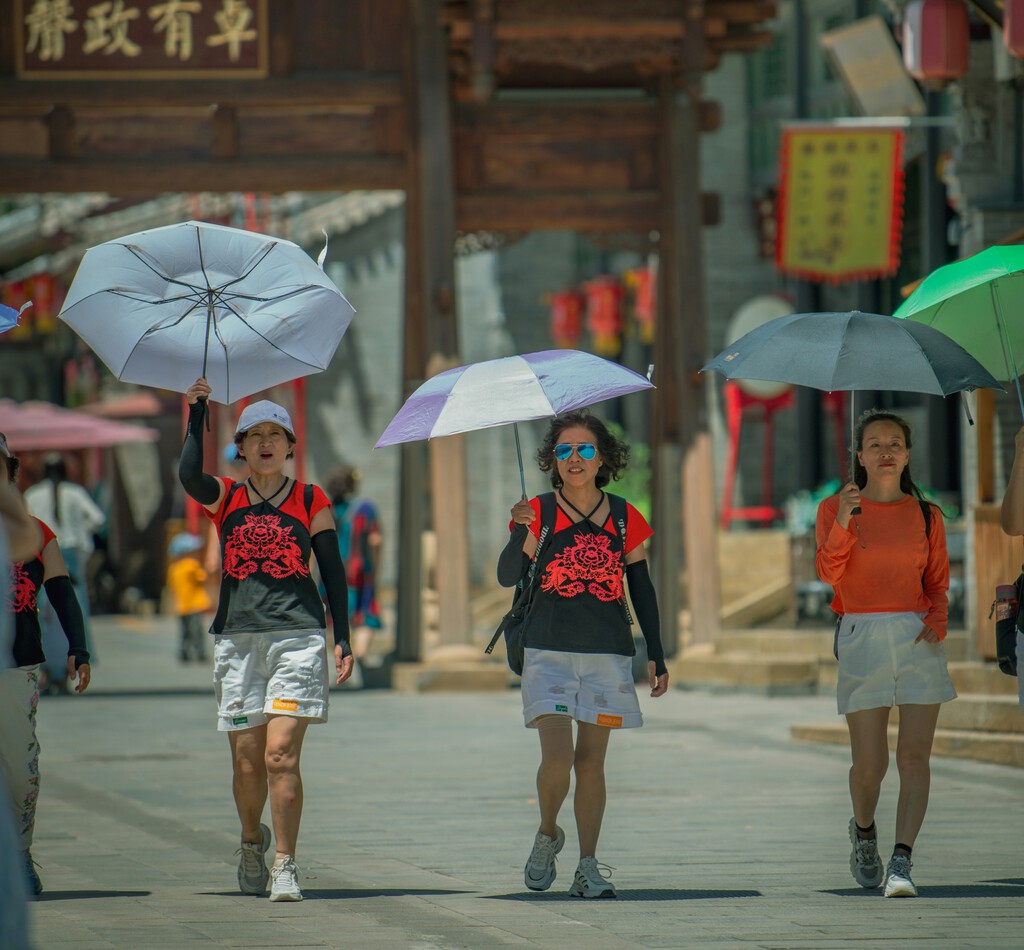
From Facekinis to Full-Body Coverage
Beyond facekinis, many Asians use wide-brimmed hats, UV-protective umbrellas, and long-sleeved clothing. These practices are not just about vanity; they are rooted in a deep understanding of the sun's harmful effects. In Japan, for instance, UV parasols are common among women seeking to prevent pigmentation and aging.
Korean beauty trends emphasize sun care as a fundamental step in skincare routines. Sunscreen is applied daily, and reapplication is encouraged. This comprehensive approach contrasts with Western habits, where sun protection is often limited to beach days.
Why the West Is Reconsidering Sun Protection
Several factors are driving the shift in Western attitudes. First, skin cancer rates are rising, prompting public health campaigns to emphasize sun safety. Second, the beauty industry is promoting anti-aging benefits of sun protection, aligning with Asian beauty standards. Third, globalization has exposed Western consumers to Asian products and practices.
Social media influencers and celebrities have also played a role. K-beauty routines and Japanese sunscreens have gained cult followings. As a result, Westerners are increasingly adopting Asian-style sun protection, from facekinis to UV umbrellas.
The Science Behind the Trend
Dermatologists agree that UV radiation causes skin damage, premature aging, and skin cancer. While some sun exposure is necessary for vitamin D, excessive exposure is harmful. Asian sun protection habits align with medical advice: limit UV exposure, use protective clothing, and apply sunscreen regularly.
Research shows that UV radiation is a major risk factor for melanoma and non-melanoma skin cancers. By adopting comprehensive sun protection, individuals can reduce their risk. The facekini, though extreme to some, offers full coverage and is effective in blocking UV rays.
Challenges and Misconceptions
Despite growing acceptance, facekinis and similar garments still face ridicule in some Western circles. Critics argue they are impractical or overly cautious. However, proponents counter that sun protection is a personal choice and that cultural differences should be respected.
Moreover, the facekini is not the only option. Many Asians use lightweight, breathable fabrics and UV-protective accessories that are both stylish and functional. As the market for sun-protective clothing grows, more Western brands are offering similar products.
What to Watch Next
As climate change leads to hotter summers and stronger UV rays, sun protection will become even more critical. We can expect to see more innovative products, such as UV-protective swimwear and accessories, entering the mainstream. Cultural exchange will continue to shape sun protection practices, with Asian habits influencing Western norms. The background to this story is set out in Skin Cancer Prevention: Fear the Heat of the Sun. A related thread runs through Sunscreen Alone Isn't Enough: Why You Need Antioxidants for Sun Protection. Earlier coverage in Physical Sun Protection Beats Sunscreen for Everyday UV Safety shows how the argument developed.
Public health campaigns should emphasize the importance of sun safety while respecting cultural preferences. By learning from each other, we can develop more effective strategies to protect against UV damage. A closer look at the same subject appears in Trending: latest articles. Anyone following the wider picture can start with Wedding Podcasts: The New Luxury Trend for Unforgettable Celebrations. The same theme surfaces in Waterproof Phone Case Deal: Protect Your Smartphone This Summer, which takes a different angle.
Key Takeaways
- Cultural shift: Western attitudes toward sun protection are changing, influenced by Asian practices.
- Health benefits: Comprehensive sun protection reduces the risk of skin cancer and premature aging.
- Product innovation: The market for UV-protective clothing and accessories is expanding.
- Global influence: K-beauty and J-beauty trends are popularizing sun care routines.
- Continued debate: Facekinis and similar garments remain controversial but are gaining acceptance.
Comparing Sun Protection Practices
| Region | Common Practices | Attitudes Toward Tanning | Popular Products |
|---|---|---|---|
| China | Facekinis, UV umbrellas, long sleeves | Fair skin preferred | Facekinis, UV parasols |
| Japan | UV parasols, sunscreens, hats | Fair skin valued | Biore UV Aqua Rich, UV hats |
| South Korea | Daily sunscreen, UV clothing | Fair skin ideal | Cosrx Aloe Soothing Sun Cream, UV patches |
| United States | Sunscreen at beach, hats | Tanning often desired | Spray sunscreens, baseball caps |
| Europe | Sunscreen on sunny days, sunglasses | Mixed, tanning popular in some areas | Lotion sunscreens, wide-brim hats |
As the world grapples with climate change and rising skin cancer rates, the wisdom of Asian sun protection habits becomes increasingly clear. The facekini may have started as a curiosity, but it symbolizes a broader shift toward proactive sun safety. Context on how this played out before sits in The Toxic History of Sunscreen and Skin Whitening. A companion piece, China and Japan's Sun Protection Habits: Why the West Is Catching, approaches the same subject from another angle.
FAQ
What is a facekini?A facekini is a full-face mask worn to protect against UV rays, popular in China and other Asian countries. It covers the entire face except for the eyes and mouth, often made from stretchy, UV-blocking fabric.
Why are Westerners adopting Asian sun protection habits?Westerners are adopting these habits due to rising skin cancer awareness, anti-aging concerns, and the influence of Asian beauty trends. Social media and globalization have also played a role in popularizing practices like daily sunscreen use and UV umbrellas.
Are facekinis effective against UV rays?Yes, facekinis made from UV-protective fabric can block harmful UV rays. However, effectiveness depends on the fabric's UPF rating and proper use. Dermatologists recommend combining with sunscreen for full protection.
What are some alternatives to facekinis for sun protection?Alternatives include wide-brimmed hats, UV-protective clothing, sunglasses, and umbrellas. Sunscreen with high SPF is also essential. Many brands now offer stylish UV-protective accessories suitable for everyday use.
Looking ahead, the fusion of cultural practices and scientific evidence will likely lead to more effective sun protection strategies worldwide. The facekini may remain a niche product, but its underlying principle—prioritizing skin health over tanning—is gaining universal appeal.
For those interested in how technology and innovation drive energy solutions, China's advancements in fusion energy, such as the 582-ton magnet for artificial sun, showcase the country's capacity for large-scale projects. Similarly, the global shift toward sun protection reflects a broader trend of learning from different cultures to improve public health.
As we continue to navigate the complexities of sun safety, it's clear that the once-mocked habits of China and Japan are now guiding the West toward a healthier relationship with the sun.
Browse the Shop
 Acacia frida deluxe solid wood bed frame |
Bedroom bench |
Bed chest drawers |
Lingerie dresser |
Frame base |
Mirror with jewelry storage |
30 Bathroom Vanity |
Memory foam queen mattress |
Mattresses for back pain |
Nightstand set of 2 |
Grand Goldman Shop |
Civil Lawyer
Deutschland Trikot WM 2026







