

China's megacities are sinking as a result of decades of groundwater extraction, a slow-moving crisis that has quietly accelerated beneath some of the world's most populous urban centers. For years, Venice served as the classic example of a city gradually settling into the sea, but scientists are now turning their attention eastward, where millions of pumps have been drawing water from underground aquifers to sustain rapid urban growth.
This subsidence—the gradual sinking of land—poses serious risks to infrastructure, from subway lines to high-rise foundations, and raises urgent questions about how cities manage water resources in an era of climate change.
Find Original Home Decor sparking conversation at Grand Goldman Shop.

How China's Megacities Became Sinking Giants
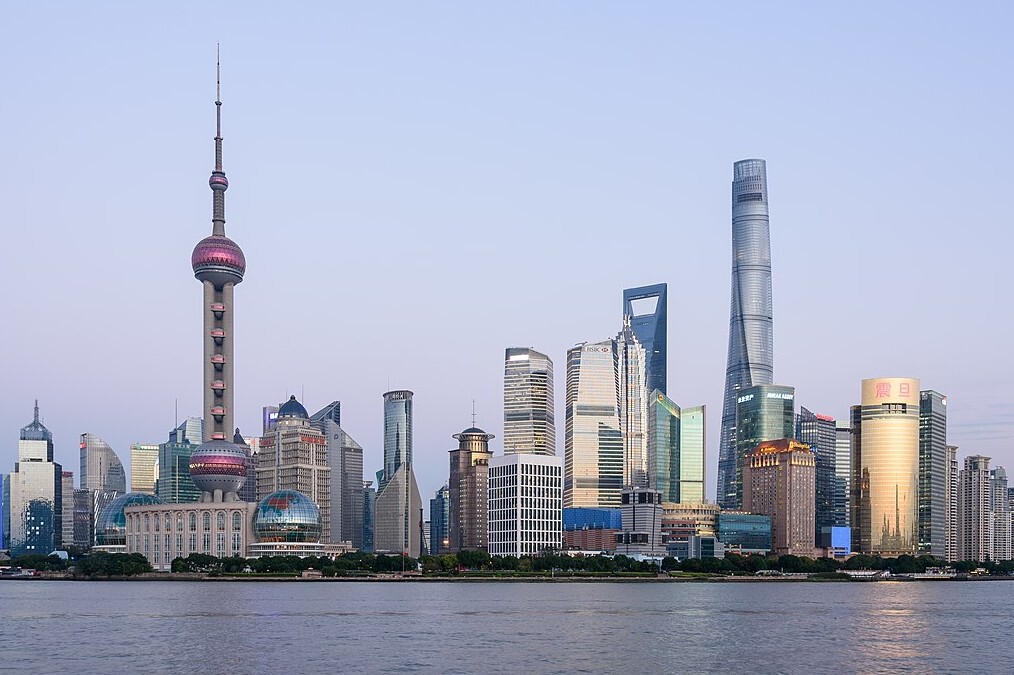
In just four decades, China underwent one of the largest urban transformations in history. Hundreds of millions of people moved from rural areas to cities, and megacities sprang up where only small towns had existed before. The country built neighborhoods, highways, subway networks, bridges, and skyscrapers at unprecedented speed.
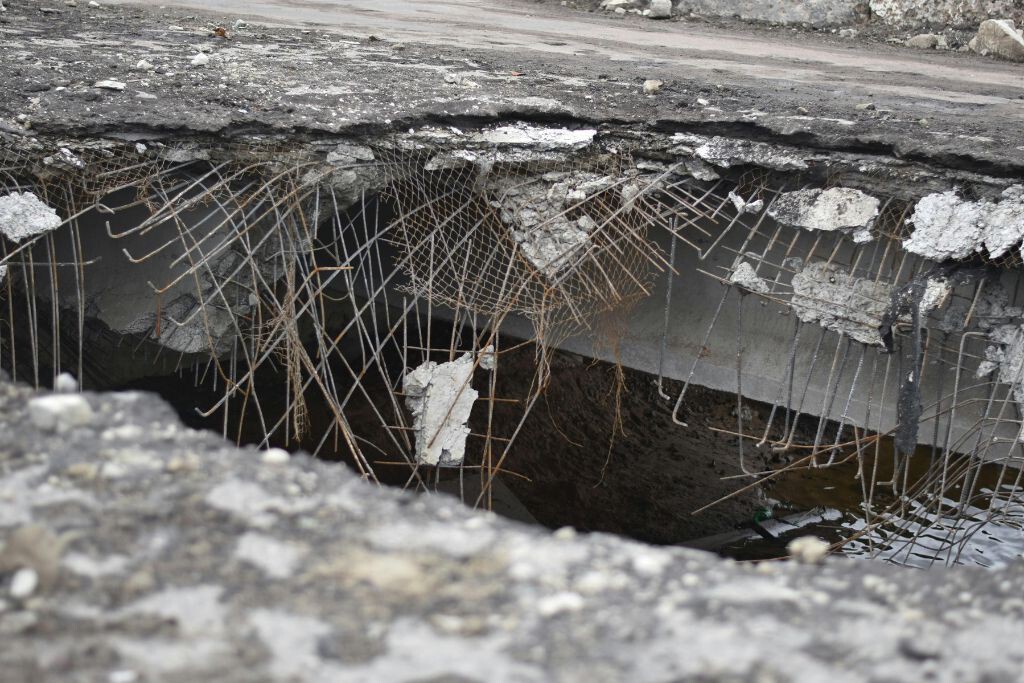
That breakneck growth drove a massive demand for water. To meet the needs of expanding populations and industries, cities increasingly turned to the aquifers hidden beneath their streets. Groundwater became the invisible lifeline for urban China, but few considered the long-term consequences of pumping it out.
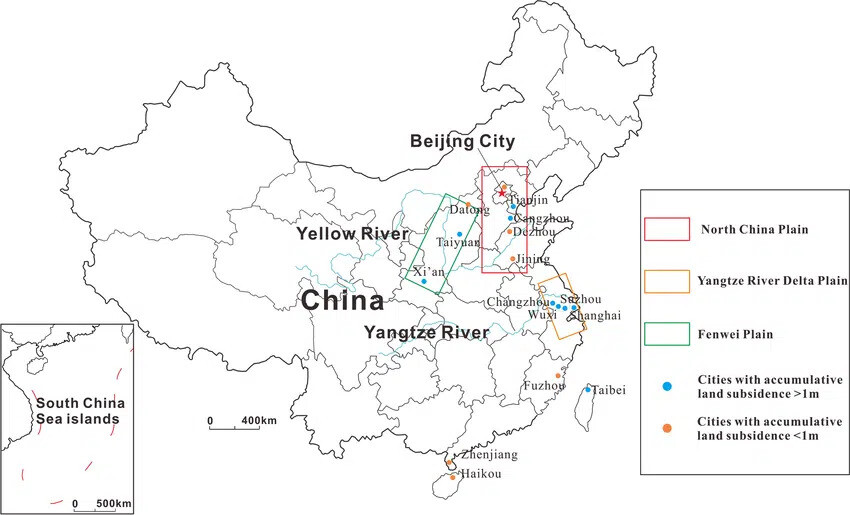
The Hidden Cost of Pumping Groundwater
For years, groundwater seemed like an almost inexhaustible resource. But every liter extracted left tiny empty spaces between sediment particles underground. Over time, these spaces compressed under the weight of the buildings above, causing the land surface to sink.
The process went largely unnoticed because it was extremely slow—measured in millimeters per year. However, after decades of continuous pumping, scientists began to detect that many cities in eastern China were indeed sinking. The cumulative effect has become significant enough to threaten infrastructure and increase flood risk.
Why the Sinking Went Unnoticed for So Long
Subsidence is a creeping hazard. Unlike earthquakes or floods, it doesn't strike suddenly; instead, it unfolds over years and decades. By the time the effects become visible—cracked roads, tilting buildings, or increased flooding—the damage is often already done.
In China, the rapid pace of urbanization meant that attention was focused on building upward and outward, not on monitoring what was happening below. It took advanced satellite technology and ground-based measurements to reveal the full extent of the problem.
What the Sinking Means for China's Cities
The sinking of land has direct consequences for urban life. As the ground subsides, infrastructure such as roads, bridges, and pipelines can become misaligned or damaged. Subway tunnels may shift, and building foundations can crack. In coastal areas, subsidence compounds the risk of flooding by lowering the land relative to sea level.
Moreover, the problem is not limited to China. Cities around the world, from Jakarta to Mexico City, face similar challenges. But the scale of China's urbanization makes its situation particularly critical.
- Infrastructure strain: Subsidence can damage transportation networks, utilities, and buildings.
- Increased flood risk: Lower land elevations make coastal and river cities more vulnerable to storm surges and rising seas.
- Economic costs: Repairs and adaptations require significant investment.
- Water security: Over-reliance on groundwater depletes reserves that may take centuries to recharge.
- Regulatory response: Some cities have begun restricting groundwater pumping and promoting alternative water sources.
Comparing Subsidence in China's Megacities
Not all cities sink at the same rate. The table below summarizes reported subsidence rates and key factors for several major urban areas in eastern China, based on scientific studies.
| City | Approximate Subsidence Rate (mm/year) | Primary Cause | Notable Impacts |
|---|---|---|---|
| Shanghai | Up to 10 | Groundwater extraction, building load | Infrastructure damage, flood risk |
| Tianjin | Up to 50 | Groundwater pumping | Land below sea level in some areas |
| Beijing | Up to 20 | Groundwater overdraft | Cracks in buildings, pipeline breaks |
| Guangzhou | Up to 10 | Groundwater use, sediment compaction | Subway tunnel deformation |
These figures illustrate the variability and severity of the problem. While some cities have managed to slow subsidence through regulation, others continue to grapple with the legacy of unchecked pumping.
What Can Be Done to Stop the Sinking?
Addressing subsidence requires a combination of technological, regulatory, and behavioral changes. Cities can reduce groundwater reliance by importing water from other regions, recycling wastewater, and promoting water conservation. Monitoring networks using GPS and satellite data can provide early warnings. The longer history behind the story is traced in China's Megacities Are Sinking from Decades of Groundwater Pumping.
China has already taken steps in some areas, such as restricting pumping in Beijing and Shanghai and implementing recharge projects. However, the challenge remains immense, and success depends on sustained political will and public awareness. The background to this story is set out in UK Subsidence Claims Surge After Hottest Summer on Record. A related thread runs through UK Subsidence Claims Surge: Insurers Face Climate Crisis Impact. Earlier coverage in China Builds 607-Hectare Artificial Island in South China Sea shows how the argument developed.
What to Watch Next
As China continues to urbanize, the balance between growth and environmental sustainability will be crucial. Scientists are calling for more comprehensive monitoring and stricter regulations. The world will be watching how China manages this slow-motion crisis, as it offers lessons for other rapidly developing regions. A closer look at the same subject appears in Australia Warns China: No Bullying Amid Military Buildup. Anyone following the wider picture can start with Trending: latest articles. The same theme surfaces in Paris Pneumatic Tubes: 427 km of Forgotten Internet Underground, which takes a different angle.
For now, the sinking of China's megacities serves as a stark reminder that even the most impressive urban achievements can have hidden costs—ones that literally lie beneath our feet. Context on how this played out before sits in China's 288-Meter Vertical School Bus Elevator Transforms Student Commute. A companion piece, Why the US Has Fewer Elevators Than Spain Despite 7x Population, approaches the same subject from another angle.
FAQ
What is causing China's megacities to sink?
The primary cause is decades of groundwater extraction. As water is pumped out, the underground sediment compacts, leading to land subsidence. Rapid urbanization and increased water demand have exacerbated the problem.
Which Chinese cities are most affected by subsidence?
Major cities such as Shanghai, Tianjin, Beijing, and Guangzhou have reported significant subsidence. Tianjin, in particular, has experienced some of the highest rates, with areas sinking up to 50 millimeters per year.
How does subsidence affect daily life in these cities?
Subsidence can damage roads, buildings, and underground utilities, increase flood risk, and lead to costly repairs. It also poses challenges for public safety and urban planning.
What measures are being taken to address the sinking?
Authorities have implemented restrictions on groundwater pumping, promoted water recycling and conservation, and invested in monitoring systems. Some cities are also exploring alternative water sources to reduce reliance on aquifers.
Browse the Shop
 Acacia frida deluxe solid wood bed frame |
Bedroom bench |
Bed chest drawers |
Lingerie dresser |
Frame base |
Mirror with jewelry storage |
30 Bathroom Vanity |
Memory foam queen mattress |
Mattresses for back pain |
Nightstand set of 2 |
Grand Goldman Shop |
Civil Lawyer
Deutschland Trikot WM 2026







