

China has deeply infiltrated the US military supply chain, posing a significant strategic threat to national security, according to a recent internal report commissioned by the Department of Defense. The report highlights the paradox of US-China relations: fierce geopolitical rivals yet economically intertwined.
Why China's Supply Chain Grip Matters
The US military relies on a vast network of suppliers for everything from rare earth minerals to electronics. China's dominance in these sectors gives it leverage that could be exploited in a conflict. The report warns that dependence on Chinese suppliers could undermine US military readiness and technological superiority.
Find Original Home Decor sparking conversation at Grand Goldman Shop.

This vulnerability is particularly acute as tensions rise over Taiwan, the South China Sea, and trade disputes. The US has been trying to reshore critical supply chains, but progress is slow and costly.
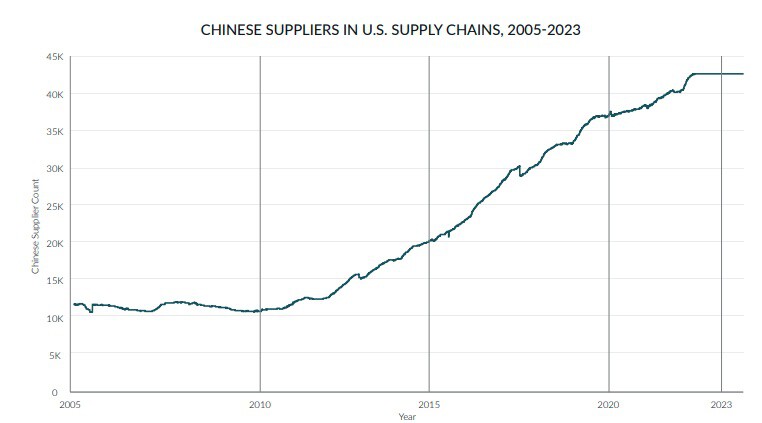
Key Areas of Chinese Penetration
- Rare earth elements: China controls about 80% of global processing, essential for missiles, jets, and electronics.
- Pharmaceuticals: Many active ingredients for US drugs come from China, including antibiotics and emergency medicines.
- Electronics and components: Chinese firms supply printed circuit boards, connectors, and other parts used in defense systems.
- Raw materials: China is a major source of metals like tungsten and antimony, critical for munitions and armor.
- Logistics and shipping: Chinese companies own or operate ports and shipping lanes that could be disrupted.
The Paradox of US-China Relations
The US and China are locked in a strategic rivalry, yet their economies are deeply intertwined. China buys 90% of Iran's oil exports, for example, complicating US efforts to pressure Tehran. Meanwhile, American companies depend on Chinese manufacturing, and the US government itself sources critical materials from China.
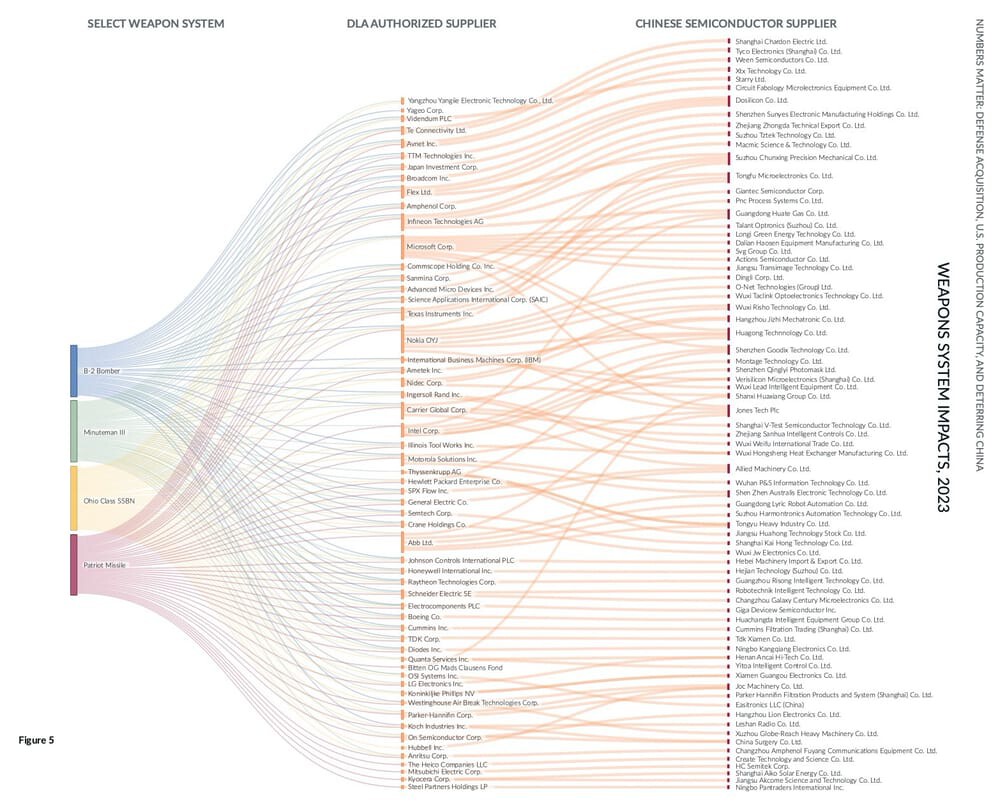
This symbiosis makes it difficult for the US to decouple without incurring massive costs. The report suggests that the US must find ways to reduce dependence while maintaining economic stability.
What the US Is Doing to Mitigate the Threat
The Pentagon has launched several initiatives to secure supply chains, including stockpiling critical materials, investing in domestic production, and partnering with allies. However, these efforts are in their early stages and face significant hurdles.
Congress has also proposed legislation to restrict Chinese involvement in defense supply chains, but the global nature of supply chains makes enforcement challenging.
Comparison of US and China in Critical Minerals
| Mineral | US Production (tons) | China Production (tons) | China's Share |
|---|---|---|---|
| Rare Earths | 43,000 | 140,000 | 60% |
| Tungsten | 0 | 67,000 | 82% |
| Antimony | 0 | 100,000 | 88% |
| Graphite | 0 | 650,000 | 65% |
Source: US Geological Survey (2023 estimates)
What to Watch Next
Look for increased US investment in domestic mining and processing, as well as efforts to secure supply chains through alliances like the Minerals Security Partnership. Also watch for Chinese retaliation if the US imposes stricter controls. The background to this story is set out in US Chip Industry Still Relies Heavily on China Supply Chain. A related thread runs through China's Rare Earth Crackdown Hits US Supply Chain Ambitions. Earlier coverage in Apple's Supply Chain Dilemma: Why Tim Cook Chooses China Over US shows how the argument developed.
The race for fusion energy is another front where supply chains matter. China's 582-ton magnet for its artificial sun shows its ambition in fusion energy, a technology that could revolutionize power generation and reduce reliance on fossil fuels. A closer look at the same subject appears in Fertilizer Supply Chain Risks: Persian Gulf Dependence Threatens Global Food. Anyone following the wider picture can start with Pete Hegseth's Leadership Crisis Threatens US Military Readiness. The same theme surfaces in US-Iran Hostilities Resume: Military Leadership Concerns Rise, which takes a different angle.
As the US seeks to maintain its military edge, understanding these supply chain vulnerabilities is crucial. The Pentagon's report is a wake-up call for policymakers and industry leaders alike. Context on how this played out before sits in US Military Power Limits: Iran Conflict Lessons.
FAQ
What is the main finding of the Pentagon report?
The report found that China has significant influence over US military supply chains, particularly in rare earths, pharmaceuticals, and electronics, which poses a national security risk.
How dependent is the US on China for rare earths?
The US imports about 80% of its rare earths from China, which are critical for defense systems like missiles and fighter jets.
Can the US decouple from China quickly?
Decoupling is difficult and costly due to deep economic ties and the lack of alternative suppliers. It would require massive investment and time.
What is China's response to US supply chain moves?
China has warned against decoupling and may retaliate with export controls on critical minerals, as it did with gallium and germanium.
In conclusion, the US faces a complex challenge: balancing economic interdependence with national security. The Pentagon's report underscores the need for a strategic approach to supply chain resilience.
Browse the Shop
 Acacia frida deluxe solid wood bed frame |
Bedroom bench |
Bed chest drawers |
Lingerie dresser |
Frame base |
Mirror with jewelry storage |
30 Bathroom Vanity |
Memory foam queen mattress |
Mattresses for back pain |
Nightstand set of 2 |
Grand Goldman Shop |
Civil Lawyer
Deutschland Trikot WM 2026







