

El Cid, Rodrigo Díaz de Vivar, is one of Spain's most iconic figures, celebrated as a Christian hero who fought for the Reconquista. But was he really the incorruptible champion of the faith, or a skilled mercenary who served both Christian kings and Muslim taifas? The truth is more complex than the legend suggests.
For centuries, the story of El Cid has been romanticized in literature, film, and popular culture. From the 12th-century epic poem Cantar de Mio Cid to the 1961 Hollywood film starring Charlton Heston and Sophia Loren, his legend has grown. Yet historians now argue that this heroic image is a distortion of the historical Rodrigo Díaz de Vivar.
Find Original Home Decor sparking conversation at Grand Goldman Shop.

Who Was the Real El Cid?
Rodrigo Díaz de Vivar was born around 1043 in Vivar, near Burgos. He was a nobleman and a military leader who served King Sancho II of Castile and later his brother Alfonso VI. His prowess in battle earned him the title El Cid, from the Arabic al-sayyid, meaning "the lord" or "the master."
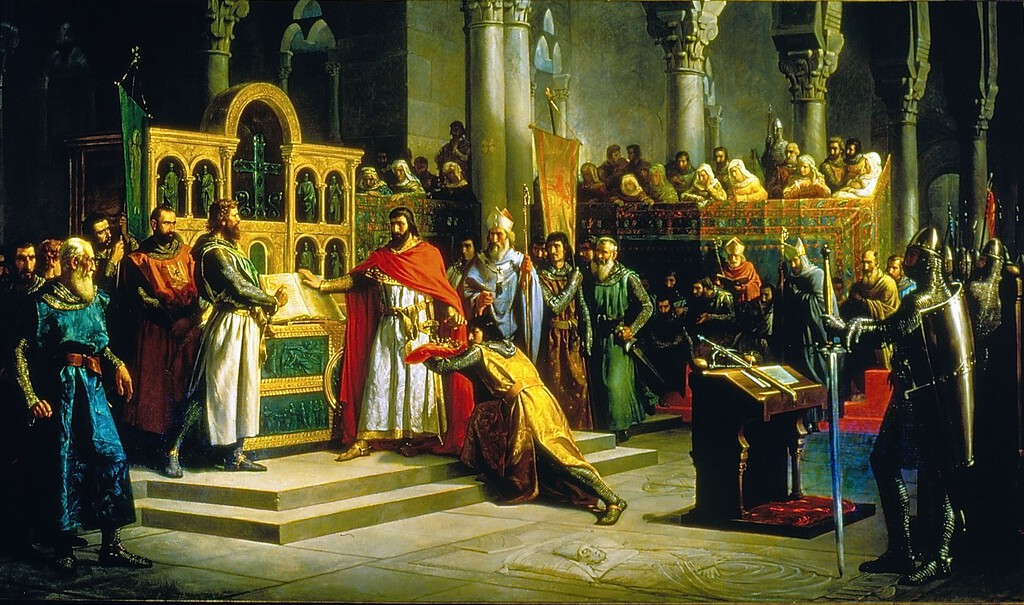
However, his relationship with Alfonso VI was turbulent. After being exiled from Castile, El Cid offered his military services to the Muslim king of Zaragoza, al-Mu'tamin, and later to other taifas. This period of his life is often glossed over in popular accounts, but it reveals a pragmatic warrior who fought for pay, not just for faith.
The Mercenary Debate
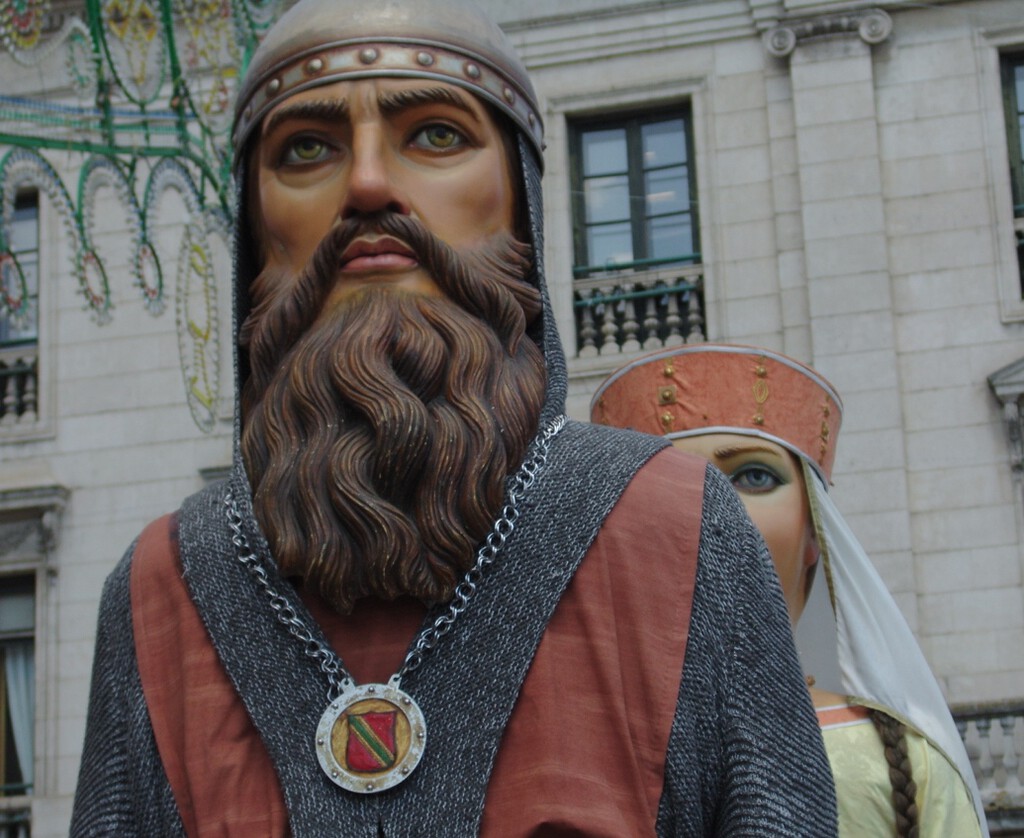
Some historians argue that El Cid was essentially a mercenary, a talented professional soldier who sold his sword to the highest bidder. He fought for both Christian and Muslim rulers, depending on the political and financial incentives. This view challenges the traditional narrative of him as a pure defender of Christianity.

Others see him as a loyal vassal who was forced into exile and made the best of his situation. His actions were not unusual for the time; many knights and lords switched allegiances based on opportunity and survival.
The Legend of El Cid
The legend of El Cid began to take shape shortly after his death in 1099. The Cantar de Mio Cid, written around 1200, portrays him as a model of chivalry, loyalty, and piety. In this epic, he is a devoted husband, a fair lord, and a devout Christian who fights to reclaim his honor and his rightful place in society.
Later works, such as the plays of Lope de Vega and the 1961 film, further cemented this image. El Cid became a symbol of Spanish national identity, a hero who embodied the virtues of courage, honor, and faith.
Why the Myth Persists
The myth of El Cid persists because it serves a purpose. It provides a unifying narrative for Spain, a country with a complex history of Muslim and Christian coexistence and conflict. The legend also reflects universal themes of justice, loyalty, and redemption that resonate across cultures.
Moreover, the myth has been reinforced by political and cultural agendas. During the Franco regime, El Cid was promoted as a national hero to bolster Spanish nationalism. Even today, he remains a source of pride and a tourist attraction, with sites like the Burgos Cathedral and the Monastery of San Pedro de Cardeña drawing visitors.
Key Takeaways
- El Cid was a real historical figure, a nobleman and military leader born around 1043.
- He served both Christian kings and Muslim taifas, leading some to call him a mercenary.
- The legend of El Cid as a pure Christian hero was popularized by literature and film.
- Historians debate whether he was a mercenary or a loyal vassal forced into exile.
- The myth persists due to its cultural and political significance in Spain.
El Cid in Historical Context
To understand El Cid, we must look at the political landscape of 11th-century Spain. The Christian kingdoms of Castile, León, and Aragon were expanding southward, while the Muslim taifas were fragmented and vulnerable. Alliances shifted constantly, and military service was often a matter of survival and profit.
El Cid's ability to navigate this complex world was remarkable. He was not bound by religious ideology but by practical considerations. His service to the taifa of Zaragoza, for example, was not a betrayal of Christianity but a strategic move to gain wealth and power.
| Aspect | Legend | Historical Reality |
|---|---|---|
| Religious Devotion | Devout Christian, defender of the faith | Fought for both Christian and Muslim rulers |
| Loyalty | Unwaveringly loyal to his king | Exiled by Alfonso VI, served other lords |
| Motivation | Honor and faith | Pragmatism and financial gain |
| Legacy | National hero of Spain | Skilled military leader and diplomat |
What to Watch Next
The debate over El Cid's true nature continues among historians. Recent scholarship has focused on his military tactics and his role in the Reconquista. Some researchers are re-examining contemporary chronicles and documents to separate fact from fiction. The background to this story is set out in Marta Díaz's Sister Laura Gains 400K Followers at Velada del Año. A related thread runs through Ayami Sato: Women's Baseball Legend Makes Historic US Debut. Earlier coverage in Spain's Eclipse Obsession: A Long History of Myths and Legends shows how the argument developed.
For those interested in the period, the Cantar de Mio Cid remains an essential read, but it should be approached as literature, not history. Museums and historical sites in Spain, such as the Museo de Burgos and the Archaeological Museum of Madrid, offer artifacts and exhibits that shed light on the era. A closer look at the same subject appears in Trending: latest articles. Anyone following the wider picture can start with Why Medieval Box Beds Disappeared: The Closed Bed History. The same theme surfaces in Renta 2025: How to Prepare Your Phone for the 2026 Tax Filing, which takes a different angle.
Ultimately, El Cid is a fascinating figure precisely because he defies simple categorization. He was neither a saint nor a villain but a complex individual shaped by the turbulent times in which he lived. Context on how this played out before sits in Spanish Prisoners of WWII: The 286 Who Returned in 1954. A companion piece, Mitsubishi's Hashima Island: The Dark History of Gunkanjima, approaches the same subject from another angle.
FAQ
Was El Cid a Christian hero?
El Cid was a Christian nobleman, but he also fought for Muslim rulers. His motivations were often pragmatic rather than purely religious, making his status as a "Christian hero" a matter of interpretation.
Why is El Cid famous?
El Cid is famous for his military exploits and for being the subject of the epic poem Cantar de Mio Cid. He became a symbol of Spanish national identity and chivalry.
Did El Cid fight for Muslims?
Yes, after being exiled from Castile, El Cid served the Muslim king of Zaragoza and other taifas. This period of his career is often downplayed in popular accounts.
What is the Cantar de Mio Cid?
The Cantar de Mio Cid is a medieval epic poem that recounts the legendary deeds of El Cid. It is considered one of the greatest works of Spanish literature but is not a reliable historical source.
Browse the Shop
 Acacia frida deluxe solid wood bed frame |
Bedroom bench |
Bed chest drawers |
Lingerie dresser |
Frame base |
Mirror with jewelry storage |
30 Bathroom Vanity |
Memory foam queen mattress |
Mattresses for back pain |
Nightstand set of 2 |
Grand Goldman Shop |
Civil Lawyer
Deutschland Trikot WM 2026







