

Couto Mixto was a small independent microstate nestled between Spain and Portugal that survived for nearly seven centuries, from the 12th century until 1864. This unique territory, located in what is now the municipality of Calvos de Randín in Ourense, Spain, operated as a republic with its own administration, rights, and privileges, independent of both the Spanish and Portuguese crowns. Often cited as one of Europe's earliest democracies, Couto Mixto is a fascinating historical anomaly that few people know about today.
What Was Couto Mixto?
Couto Mixto was not a typical microstate; it was a collection of three villages—Santiago de Rubiás, Meaus, and Rubiás—that formed a self-governing entity. The territory had its own laws, tax system, and even the right to grant asylum. Its unique status arose from a complex web of feudal agreements and border disputes between Spain and Portugal, which left the area in a legal limbo for centuries.
Find Original Home Decor sparking conversation at Grand Goldman Shop.

Residents of Couto Mixto enjoyed special privileges, such as exemption from military service and taxes, and the ability to choose their own nationality. They could also trade freely with both Spain and Portugal, which made the microstate a prosperous hub for smuggling and commerce.
Life in the Microstate
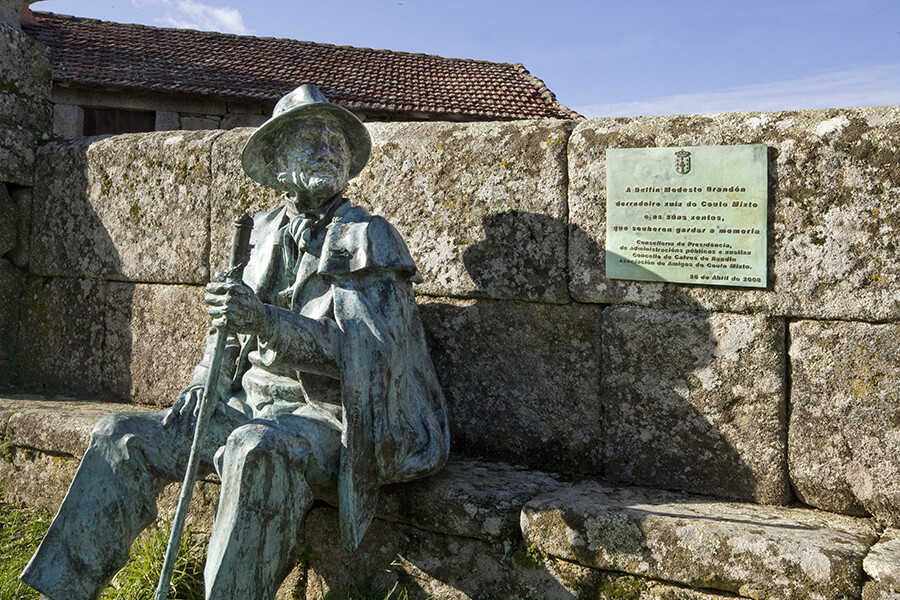
Daily life in Couto Mixto revolved around agriculture and livestock, but its strategic location made it a crossroads for merchants and travelers. The villages had a communal governance system, with an assembly of heads of households making decisions. The last judge of Couto Mixto, Delfín Modesto Brandón, served until the territory's incorporation into Spain in 1864.
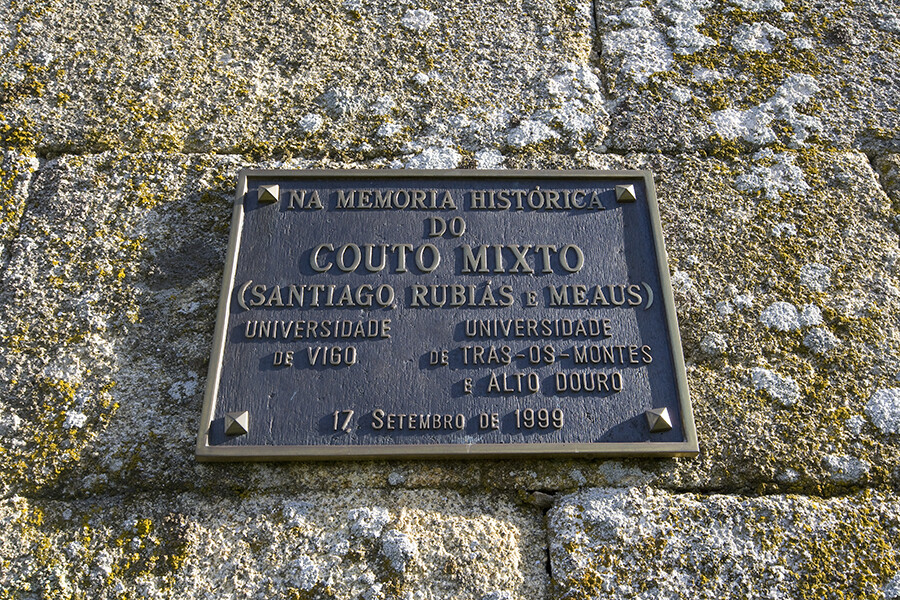
The microstate's independence was recognized by both Spain and Portugal through various treaties, but its status became increasingly untenable in the 19th century as both nations sought to consolidate their borders. The Treaty of Lisbon in 1864 formally annexed Couto Mixto into Spain, ending its centuries-long existence as a separate entity.

Key Takeaways
- Couto Mixto was an independent microstate between Spain and Portugal for nearly 700 years.
- It consisted of three villages: Santiago de Rubiás, Meaus, and Rubiás.
- Residents had unique privileges, including tax exemptions and the right to choose nationality.
- The microstate was formally annexed by Spain in 1864 through the Treaty of Lisbon.
- Its legacy lives on in local culture and historical memory.
Why Couto Mixto Matters Today
Couto Mixto is a remarkable example of how local communities can maintain autonomy even in the face of powerful neighboring states. Its history challenges traditional narratives of nation-building and highlights the diversity of political arrangements that have existed in Europe. The background to this story is set out in Trending: latest articles. A related thread runs through El Cid: The Legend vs. the Real History of Spain's Hero.
Today, visitors to Santiago de Rubiás can see a bronze statue of Delfín Modesto Brandón, the last judge, installed in 2008. The statue commemorates the microstate's unique history and its contribution to the region's identity. The area also boasts Romanesque architecture and beautiful landscapes, attracting tourists interested in history and nature. Earlier coverage in First Letter Bomb in History: The 1829 Attack on Nazario Eguía shows how the argument developed. A closer look at the same subject appears in Archaeologists Uncover Ancient Secrets on the Cíes Islands.
Comparison with Other Historical Microstates
Couto Mixto is often compared to other small states that have existed throughout history. The table below highlights some key differences and similarities. Anyone following the wider picture can start with EU Energy Windfall Tax: Five Nations Push to Curb Crisis Costs. The same theme surfaces in Spain's Oldest Train Line Still Runs After 180 Years, which takes a different angle.
| Microstate | Location | Period | Notable Features |
|---|---|---|---|
| Couto Mixto | Spain-Portugal border | 12th century–1864 | Three villages, tax exemptions, right to asylum |
| Andorra | Pyrenees | 1278–present | Co-principality, tourism-based economy |
| San Marino | Italy | 301 AD–present | Oldest republic, survived Napoleon |
| Liechtenstein | Alps | 1806–present | Principality, financial center |
FAQ
What was Couto Mixto?
Why was Couto Mixto independent?
Who was the last judge of Couto Mixto?
What happened to Couto Mixto?
Exploring the history of Couto Mixto offers a glimpse into a forgotten chapter of European history. For those interested in travel and culture, the region around Calvos de Randín is worth a visit. You can learn more about unique destinations in our Australia section, or discover other historical curiosities in our Egypt coverage. If you're planning a trip to Spain, check out our France guides for nearby attractions. And for those fascinated by microstates, our Amsterdam articles might surprise you. Finally, don't miss our camping tips for exploring the great outdoors.
Browse the Shop
 Acacia frida deluxe solid wood bed frame |
Bedroom bench |
Bed chest drawers |
Lingerie dresser |
Frame base |
Mirror with jewelry storage |
30 Bathroom Vanity |
Memory foam queen mattress |
Mattresses for back pain |
Nightstand set of 2 |
Grand Goldman Shop |
Civil Lawyer
Deutschland Trikot WM 2026







