

Japan permanent residency is about to become far more expensive, with the application fee set to jump from 10,000 yen to 200,000 yen starting in October. This 20-fold increase represents the largest hike ever applied to permanent residency in the country, and it comes as Japan relies more than ever on foreign workers to offset its demographic decline.
The move is part of a broader tightening under Prime Minister Sanae Takaichi's government, which has decided to drastically raise the bar for foreigners seeking to settle long-term. While the fee itself is the headline, it is only the first obstacle in a series of new requirements that applicants will need to clear.
Find Original, High-end Home Decor that spark conversation at Grand Goldman Shop.
Why Japan Is Raising the Permanent Residency Fee
Japan has been grappling with a difficult demographic equation for years: fewer children are born, the population is aging, and entire sectors of the economy lack workers. The inevitable response has been to open more space to immigration, with the number of foreign residents now exceeding 4.12 million.
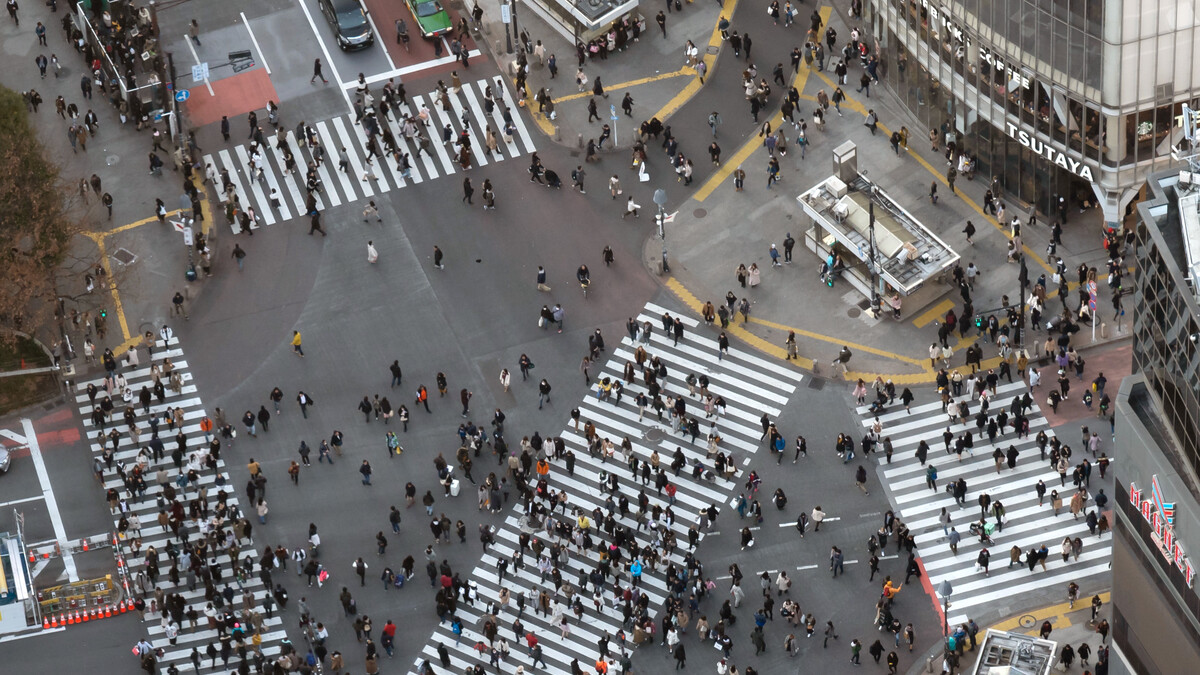
But just as the country depends more heavily on these residents, the government has chosen to make it harder to stay permanently. The fee increase is framed as a way to ensure that only those truly committed to settling in Japan can do so, though critics argue it creates a financial barrier that disproportionately affects lower-income applicants.
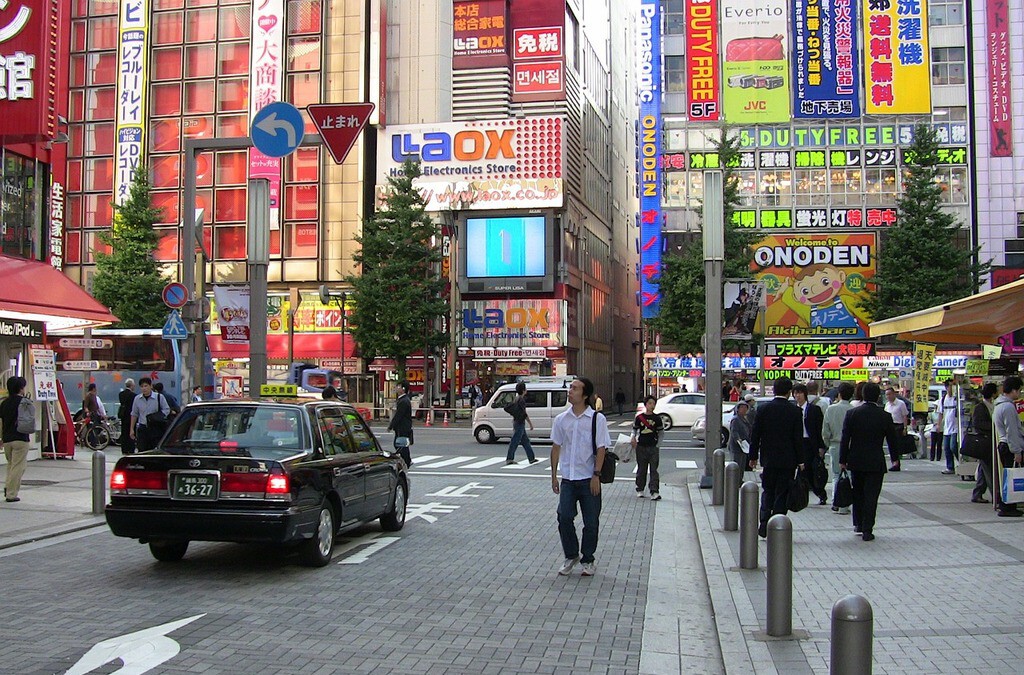
The timing is notable. The change was announced with little lead time, prompting extraordinary queues before it took effect. At Tokyo's main immigration office, waits stretched beyond seven hours as numerous foreigners rushed to submit their paperwork before the price went up.
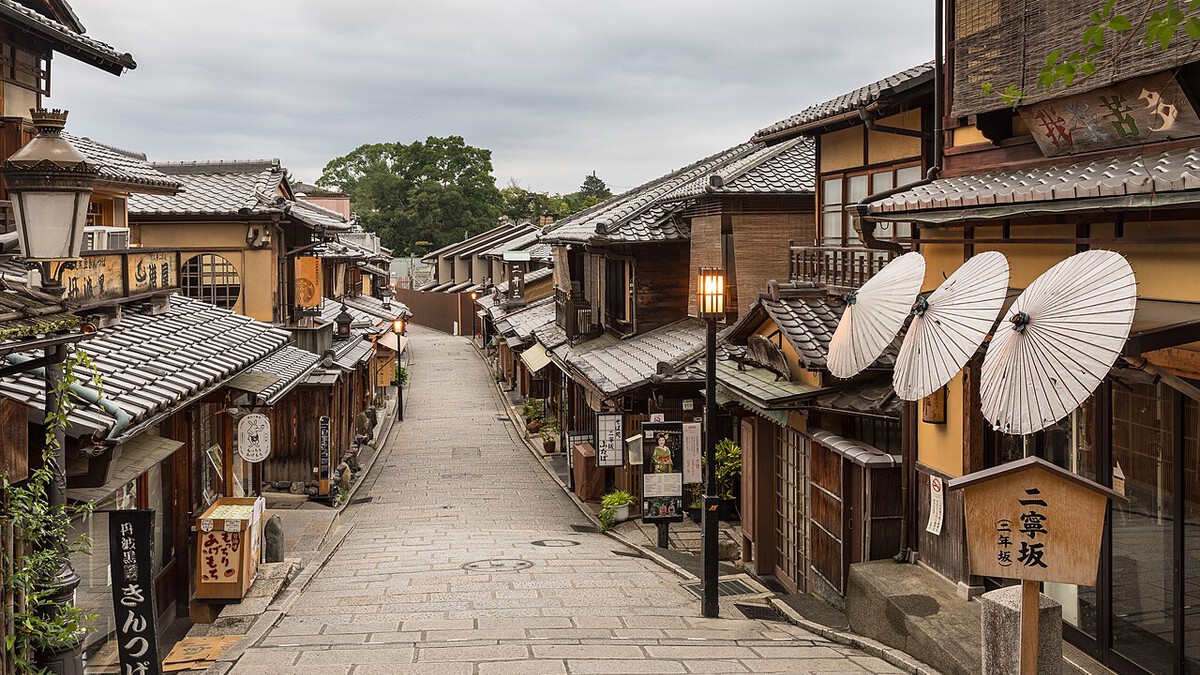
How Much More Will It Cost?
The application fee for permanent residency will rise from 10,000 yen to 200,000 yen. In dollar terms, that is an increase from roughly $64 to approximately $1,270—an increase of nearly 2,000% compared to the immediately preceding rate.
The perspective becomes even more striking when compared to the old general fee of 6,000 yen cited by some media outlets. In those cases, the percentage increase exceeds 3,000%. For many applicants, the new fee represents a significant financial burden, especially for those who may have been saving for years to afford the application process.
| Fee Category | Previous Amount (yen) | New Amount (yen) | Increase |
|---|---|---|---|
| Permanent Residency Application | 10,000 | 200,000 | 20x (approx. 2,000%) |
| Old General Fee (cited by some media) | 6,000 | 200,000 | Approx. 3,233% |
| US Dollar Equivalent (approx.) | $64 | $1,270 | — |
More Than Just a Price Hike
Paying the higher fee will not be enough to secure permanent residency. Applicants will also face additional requirements that the government has introduced as part of the same tightening. While the full details are still emerging, the direction is clear: Japan wants to raise the bar for long-term settlement.
This could include stricter criteria around language proficiency, financial stability, or length of residence, though the exact parameters have not been fully outlined in the source reporting. What is certain is that the era of relatively accessible permanent residency is ending.
For foreign residents already in Japan, the change creates uncertainty. Many have built lives, careers, and families in the country and now must decide whether to absorb the higher cost or reconsider their long-term plans. The psychological impact of feeling less welcome should not be underestimated.
Who Is Affected and How
The fee increase applies to all new applicants for permanent residency, regardless of nationality or current visa status. Those who were planning to apply in the coming months will need to budget for the higher amount, which could delay or derail their plans.
Lower-wage workers, who are often among the most integrated into local communities, may find the new fee prohibitive. This raises questions about whether Japan is inadvertently discouraging the very workers it needs to sustain its economy.
Businesses that employ foreign staff may also feel the impact, as employees weigh the cost of staying long-term against other options. Some companies may need to offer financial assistance or risk losing experienced workers. Context on how this played out before sits in Japan Permanent Residency Fee Soars 20-Fold: What It Means. A companion piece, Japan's Youth Turn to Traditional Matchmakers to Solve Demographic Crisis, approaches the same subject from another angle.
What to Watch Next
The government's next steps will be crucial. If additional requirements prove overly restrictive, Japan could see a decline in permanent residency applications, which might exacerbate labor shortages in key sectors. The background to this story is set out in Melon-Gate: Albanese's Japan Diplomatic Crisis Explained. A related thread runs through EU Citizens in UK Stripped of Post-Brexit Residency Rights.
There is also the question of how the international community will respond. Countries competing for global talent may see an opportunity to attract workers who feel discouraged by Japan's new policies. Earlier coverage in EU Citizens in UK Face Residency Rights Error Letters shows how the argument developed. A closer look at the same subject appears in EU Citizens UK Residency Rights Revoked in Error – What to Know.
For now, those considering permanent residency should act quickly if they can, but also prepare for a more demanding process. The message from Tokyo is unmistakable: staying in Japan long-term is no longer a low-cost endeavor. Anyone following the wider picture can start with Trending: latest articles. The same theme surfaces in Comic-Con Málaga 2026: Water Policy Chaos and What to Expect, which takes a different angle.
- Fee increase: Permanent residency application jumps from 10,000 to 200,000 yen, a 20-fold rise.
- Timing: The change takes effect in October, prompting long queues at immigration offices.
- Broader tightening: Higher fees are just one part of stricter requirements for applicants.
- Impact: Lower-income workers and businesses relying on foreign staff may be most affected.
- Watch: Additional criteria and their effect on Japan's labor market and immigration flows.
FAQ
How much does permanent residency in Japan cost now?
The application fee has increased from 10,000 yen to 200,000 yen, effective October. This is approximately $1,270 at current exchange rates, up from about $64.
Why did Japan raise the fee so drastically?
The government under Prime Minister Sanae Takaichi is tightening immigration requirements as the country balances labor needs with demographic challenges. The fee hike is part of a broader effort to raise the bar for long-term settlement.
Are there other new requirements for permanent residency?
Yes, the fee increase is only one part of the changes. Additional requirements are being introduced, though the full details have not been completely specified in the source reporting.
What should current foreign residents do?
Those planning to apply should budget for the higher fee and prepare for stricter criteria. Consulting with an immigration lawyer or advisor is recommended to navigate the new rules.
Browse the Shop
 Acacia frida deluxe solid wood bed frame |
Bedroom bench |
Bed chest drawers |
Lingerie dresser |
Frame base |
Mirror with jewelry storage |
30 Bathroom Vanity |
Memory foam queen mattress |
Mattresses for back pain |
Nightstand set of 2 |
Grand Goldman Shop |
Civil Lawyer
Deutschland Trikot WM 2026










