

In Japan, young people are increasingly turning to traditional matchmakers to tackle the demographic crisis, moving away from dating apps. This shift marks a surprising revival of the centuries-old omiai practice, where intermediaries arrange introductions for marriage-minded individuals.
For years, it seemed the future of relationships was inevitably digital: profiles, algorithms, matches, and countless conversations with strangers. However, a growing number of Japanese twenty-somethings are discovering that the future might resemble the past. Tired of ghosting, fake profiles, and relationships that never quite take off, they are paying matchmaking agencies to bring back a figure with centuries of history: the matchmaker.
Find Original, High-end Home Decor that spark conversation at Grand Goldman Shop.
The Resurgence of Omiai: A Tradition Reborn
For centuries, Japan had the omiai system, in which family members, friends, acquaintances, and even bosses acted as intermediaries to introduce two people with marriage potential. The practice survived until after World War II but lost ground to spontaneous relationships and, eventually, dating apps.
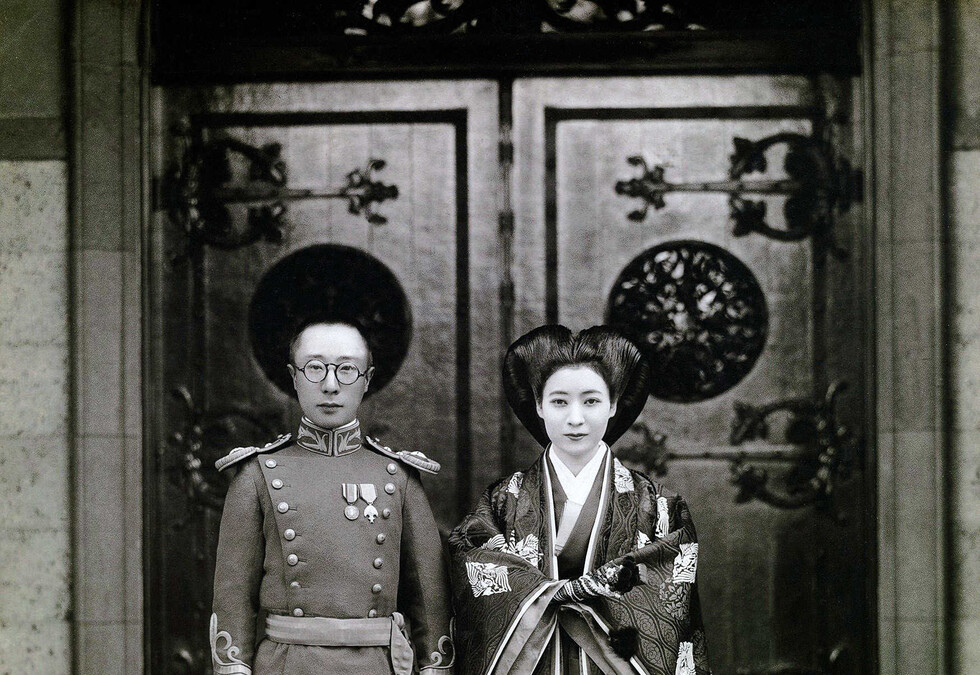
Now the pendulum is swinging back: matchmaking agencies are registering record numbers of young people, and the Tokyo subway is filled with ads that perfectly summarize the changing times: “Better an omiai than 100 swipes.” This slogan captures the frustration with the superficiality of dating apps and the desire for more meaningful connections.

Why Dating Apps Are Losing Appeal
The paradox is that dating apps solved the scarcity of candidates but created another problem: too many profiles, too many conversations, and too little depth. Many young Japanese feel overwhelmed by the sheer volume of options and the lack of commitment.
Moreover, the anonymity of apps often leads to ghosting and fake profiles, eroding trust and wasting time. In contrast, traditional matchmakers offer a curated experience, vetting candidates and facilitating introductions based on compatibility and serious intentions.
- Curated matches: Matchmakers screen candidates, ensuring serious intentions and compatibility.
- Time efficiency: Fewer but higher-quality introductions save time and emotional energy.
- Trust and safety: Verified backgrounds reduce the risk of fake profiles and ghosting.
- Cultural familiarity: Omiai aligns with traditional values and family involvement.
- Focus on marriage: The process is explicitly aimed at marriage, not casual dating.
The Demographic Crisis: A Driving Force
Japan faces a severe demographic crisis, with a declining birth rate and an aging population. The government has implemented various policies to encourage marriage and childbirth, but with limited success. The revival of omiai could be a grassroots response to this crisis, as young people seek stable partnerships. Context on how this played out before sits in Japan's Youth Turn to Traditional Matchmakers to Solve Demographic Crisis.
Matchmaking agencies report that many young clients are motivated by a desire to start families but struggle to find suitable partners through apps. The structured approach of omiai provides a sense of security and purpose, aligning with societal expectations and personal goals. The background to this story is set out in Trending: latest articles. A related thread runs through Japan Permanent Residency Fee Soars 20-Fold: What It Means.
| Aspect | Dating Apps | Traditional Matchmakers (Omiai) |
|---|---|---|
| Selection process | Algorithm-based, large pool | Personalized, curated by matchmaker |
| Intent | Varies, often casual | Marriage-focused |
| Trust | Lower due to anonymity | Higher due to vetting |
| Time investment | High (swiping, chatting) | Lower (fewer, targeted introductions) |
| Cost | Free to subscription | Agency fees |
What This Means for Japan's Future
The shift toward traditional matchmaking could have significant implications for Japan's demographic challenges. If more young people find stable partners and marry, the birth rate might see a modest uptick. However, experts caution that matchmaking alone cannot solve the crisis; economic factors and work-life balance also play crucial roles. Earlier coverage in Madrid's Puerta del Sol Camp: Almeida's Census Demand Ignites Debate shows how the argument developed. A closer look at the same subject appears in New Kindle Now Available from €154.99; Previous Model Drops to €89.90.
Nevertheless, the trend reflects a broader cultural re-evaluation of technology's role in intimate relationships. As young Japanese seek authenticity and commitment, they are reclaiming a tradition that prioritizes human connection over digital convenience. Anyone following the wider picture can start with Mayer Hillman: The Pioneer Who Predicted Climate Crisis. The same theme surfaces in EU Gas Reserves Hit Record Low as Winter Demand Looms, which takes a different angle.
FAQ
What is omiai?
Omiai is a traditional Japanese matchmaking practice where intermediaries, such as family or matchmakers, introduce potential marriage partners. It dates back centuries and is now experiencing a revival among young people.
Why are young Japanese turning to matchmakers?
Many are frustrated with dating apps, citing ghosting, fake profiles, and superficial interactions. Matchmakers offer a more curated, serious approach to finding a marriage partner.
How does this affect Japan's demographic crisis?
By facilitating stable marriages, the revival of omiai could help address the declining birth rate, though it is not a sole solution. Economic and social factors also need attention.
Is omiai only for young people?
While the recent trend is driven by twenty-somethings, omiai is available to people of various ages. However, agencies report a surge in younger clients seeking serious relationships.
Browse the Shop
 Acacia frida deluxe solid wood bed frame |
Bedroom bench |
Bed chest drawers |
Lingerie dresser |
Frame base |
Mirror with jewelry storage |
30 Bathroom Vanity |
Memory foam queen mattress |
Mattresses for back pain |
Nightstand set of 2 |
Grand Goldman Shop |
Civil Lawyer
Deutschland Trikot WM 2026










