

The USS Lafayette, originally the French liner SS Normandie, was the world's largest transatlantic ocean liner when the United States requisitioned it for World War II service. The rushed conversion from luxury ship to troopship ended in disaster when the vessel caught fire and capsized in New York Harbor before it ever carried a single soldier.
The Normandie: A French Icon of Luxury and Speed
The SS Normandie was a symbol of French industrial prowess. At 313 meters long, it was the largest and fastest passenger ship of its era, capturing the prestigious Blue Riband for the fastest transatlantic crossing on its maiden voyage to New York in 1935.
Find Original, High-end Home Decor that spark conversation at Grand Goldman Shop.
Its Art Deco interiors and lavish amenities made it a floating palace, but the outbreak of World War II in Europe left it stranded in New York Harbor in 1939. After the attack on Pearl Harbor, the United States government seized the ship on December 16, 1941, just five days after declaring war.
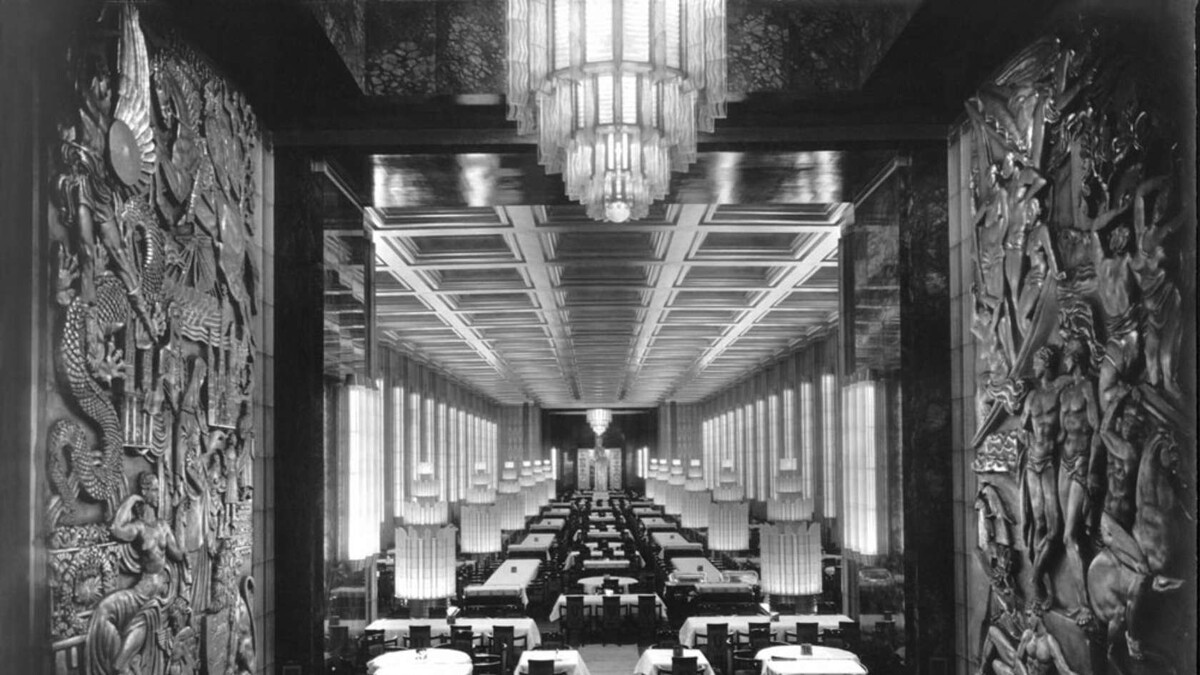
From Luxury Liner to Military Transport: The USS Lafayette Conversion
Renamed USS Lafayette, the ship was handed over to the U.S. Navy in late December 1941. Its new mission: transform from a luxury liner into a massive troopship capable of ferrying thousands of soldiers across the Atlantic.
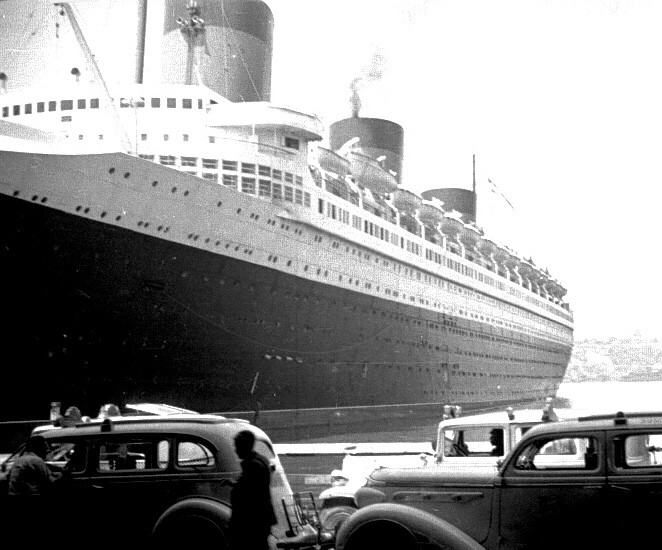
The conversion began at Pier 88 in Manhattan under intense pressure to get transports into service quickly. However, those directly involved with the ship warned that the schedule was unrealistic. Captain Clayton Simmers, who worked closely on the project, estimated that the conversion would take far longer than the Navy's timeline allowed.
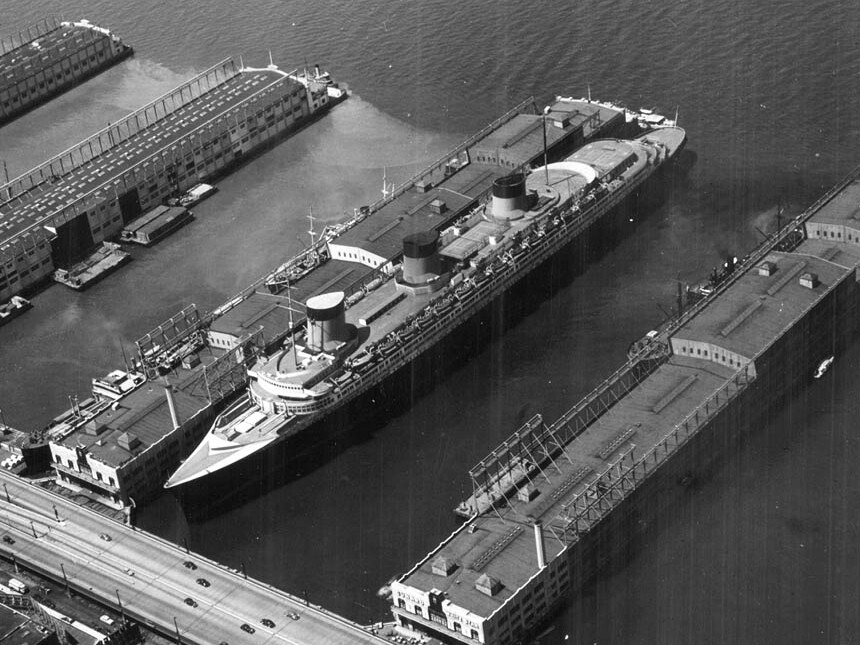
The Rush to War: Timeline and Key Figures
The urgency of war drove the conversion forward despite warnings. The ship was stripped of much of its luxury fittings and modified to accommodate troops. But the breakneck pace meant safety compromises and rushed workmanship.
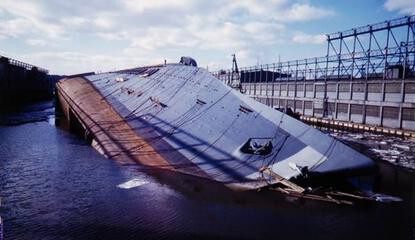
On February 9, 1942, just two days before its scheduled departure, disaster struck. A fire broke out aboard the Lafayette, reportedly caused by a welding spark igniting life vests. The blaze spread rapidly, and the ship capsized in the harbor, becoming a total loss.
Key Takeaways from the USS Lafayette Disaster
- The USS Lafayette was the former SS Normandie, the world's largest ocean liner at the time.
- The U.S. requisitioned the ship just after Pearl Harbor and rushed its conversion to a troopship.
- Experts warned the timeline was too tight, but the conversion proceeded under wartime pressure.
- A fire on February 9, 1942, caused the ship to capsize and sink before it ever saw service.
Why the USS Lafayette Disaster Mattered
The loss of the Lafayette was a major embarrassment for the U.S. Navy and a blow to the war effort. It highlighted the dangers of prioritizing speed over safety and the consequences of inadequate planning under pressure. Context on how this played out before sits in USS Lafayette: The Normandie Troopship Disaster Explained.
The incident also had a psychological impact, as the ship had been a symbol of French pride and a marvel of engineering. Its demise underscored the harsh realities of wartime adaptation. The background to this story is set out in Democrats Demand Answers on USS Abraham Lincoln Conditions. A related thread runs through Trending: latest articles.
Comparison: SS Normandie vs. USS Lafayette
| Feature | SS Normandie (Original) | USS Lafayette (Converted) |
|---|---|---|
| Role | Luxury ocean liner | Troopship |
| Length | 313 meters | 313 meters |
| Speed | Held Blue Riband (1935) | Not operational |
| Interior | Art Deco, luxurious | Stripped for military use |
| Fate | Stranded in New York (1939) | Caught fire and capsized (1942) |
Lessons Learned and Legacy
The USS Lafayette disaster served as a cautionary tale about the risks of expedited conversions. It prompted the Navy to review safety procedures for other ships undergoing similar transformations. Earlier coverage in US Soldiers Collected Japanese Skulls in World War II shows how the argument developed. A closer look at the same subject appears in Ukraine Drone War: Jet-Powered Drones Chase at Formula 1 Speeds.
Today, the story of the Normandie/Lafayette is remembered as a tragic episode in maritime history, illustrating how even the most magnificent vessels can fall victim to the exigencies of war. Anyone following the wider picture can start with Black Death's Four-Century Wave: What Really Happened. The same theme surfaces in Marie Curie and Einstein's 20-Year Letters Revealed, which takes a different angle.
FAQ
What was the USS Lafayette?
The USS Lafayette was the former SS Normandie, a French ocean liner that was requisitioned by the U.S. Navy during World War II and converted into a troopship.
Why did the USS Lafayette sink?
The USS Lafayette sank after a fire broke out during its conversion, causing the ship to capsize in New York Harbor on February 9, 1942.
How long did the conversion take?
The conversion began in late December 1941 and was still underway when the fire occurred on February 9, 1942, just two days before its scheduled departure.
What happened to the Normandie after the fire?
The ship was deemed a total loss and was eventually scrapped. The incident remains one of the most famous maritime disasters of World War II.
Browse the Shop
 Acacia frida deluxe solid wood bed frame |
Bedroom bench |
Bed chest drawers |
Lingerie dresser |
Frame base |
Mirror with jewelry storage |
30 Bathroom Vanity |
Memory foam queen mattress |
Mattresses for back pain |
Nightstand set of 2 |
Grand Goldman Shop |
Civil Lawyer
Deutschland Trikot WM 2026










