

During World War II, some US soldiers collected Japanese skulls as war trophies, a macabre practice that was surprisingly common in the Pacific theater. The phenomenon, which involved taking body parts from fallen enemy soldiers, has been documented by historians and anthropologists, and it even prompted intervention from authorities in Hawaii.
The story came to light in 2003 when police in Pueblo, Colorado, searching a house for drugs, found a human skull in a trunk. The skull was inscribed with "11 November 1942" and "Guadalcanal," and dozens of signatures covered the frontal bone, along with the phrase "This is a Good Jap Guadalcanal S.I." The skull had been varnished to preserve the signatures. The homeowner claimed it was a family heirloom brought back by his great-grandfather, Julius Papas, a former Marine who had fought in the Pacific.
Find Original, High-end Home Decor that spark conversation at Grand Goldman Shop.
The Prevalence of Skull Collecting
Julius Papas was not alone. According to research by Simon Harrison of the University of Ulster, published in the Journal of the Royal Anthropological Institute, the collection of Japanese skulls and other body parts as trophies was widespread among US troops. Harrison's work highlights that such practices were not isolated incidents but a recognized phenomenon during the war.
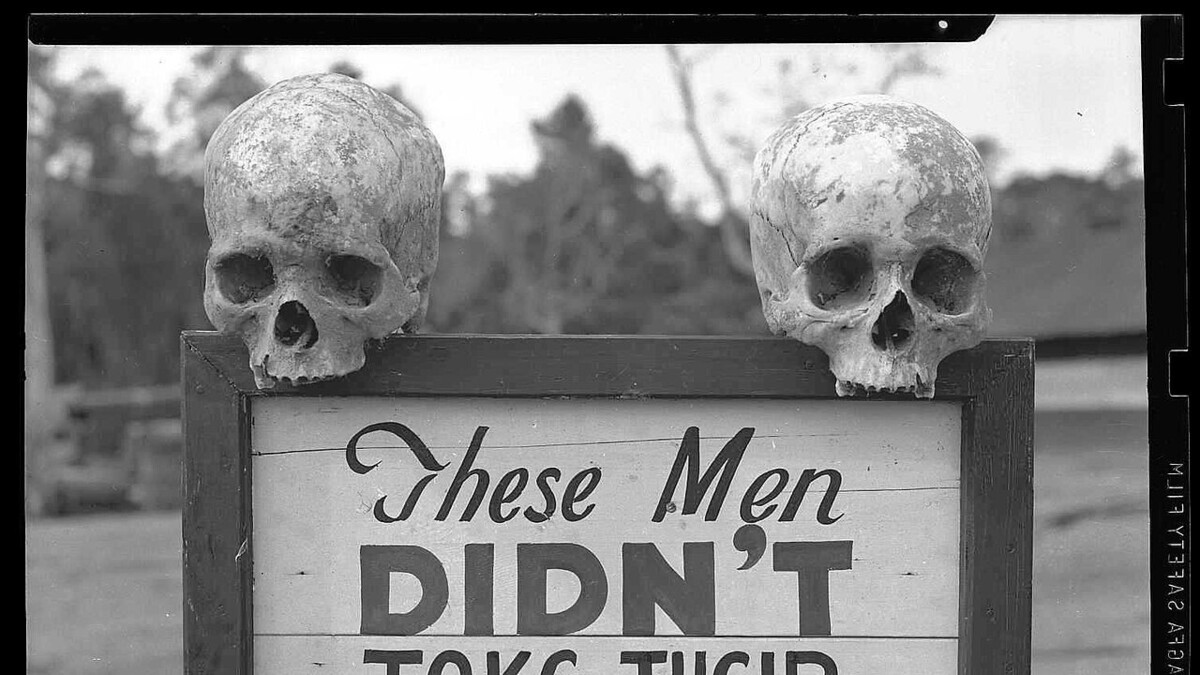
Soldiers often took skulls, ears, and other remains, sometimes sending them home as souvenirs or displaying them in camps. The motivations ranged from revenge and dehumanization of the enemy to a desire for tangible mementos of combat.
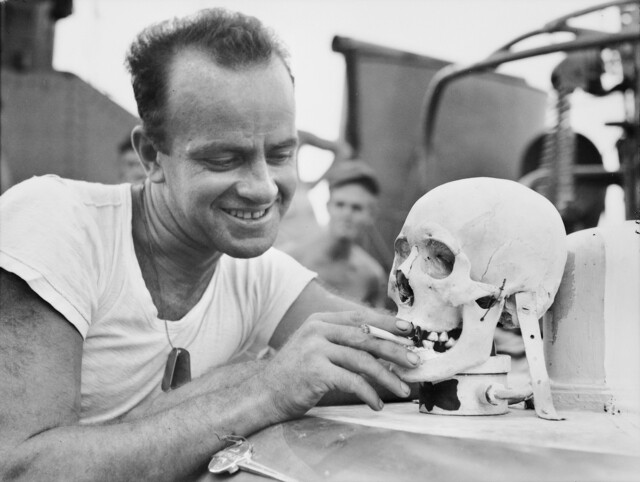
Why Did Soldiers Collect Skulls?
The practice can be understood in the context of the brutal Pacific War, where propaganda and racial attitudes dehumanized the Japanese enemy. Collecting body parts served as a way to demonstrate toughness, commemorate victories, and cope with the horrors of war. However, it also reflected a breakdown of moral restraints in the chaos of battle.
Hawaii's Intervention
The practice became so common that it drew the attention of military authorities. In Hawaii, which served as a major staging area for the Pacific theater, officials had to intervene. Reports of soldiers sending skulls home or keeping them as trophies raised concerns about morale, discipline, and public image. The longer history behind the story is traced in USS Lafayette: The Normandie Troopship Disaster Explained.
Orders were issued to stop the practice, and some soldiers faced disciplinary action. Despite these efforts, the collection of war trophies continued in various forms, though it became less overt. The background to this story is set out in Pentagon Removes Four Fallen Soldiers from Casualty List. A related thread runs through Trending: latest articles. Earlier coverage in Etruscan Tombs Designed for a Cathedral Effect 2,500 Years Ago shows how the argument developed.
The 2003 Discovery and Its Aftermath
The 2003 discovery in Colorado brought the issue back into public view. The skull found in the trunk was identified as that of a Japanese soldier, and the signatures belonged to US Marines, including a former lieutenant colonel. The case highlighted the lingering presence of such relics in American homes and the ethical questions they raise. A closer look at the same subject appears in Lidl's Silvercrest Carpet and Upholstery Cleaner: Wet & Dry. Anyone following the wider picture can start with Madrid's Puerta del Sol Camp: Almeida's Census Demand Ignites Debate. The same theme surfaces in Sudan Drone Attack Near Market Kills 80 in Deadly Strike, which takes a different angle.
Incidents like this have prompted calls for the return of remains to Japan and for greater awareness of the historical practice. The Japanese government has occasionally requested the repatriation of skulls and other remains taken as trophies. Context on how this played out before sits in Argentina's Perfect Circular Floating Island El Ojo Explained. A companion piece, US Soldiers Collected Japanese Skulls in World War II, approaches the same subject from another angle.
Key Takeaways
- Collecting Japanese skulls as war trophies was a documented practice among some US soldiers during WWII.
- The practice was widespread enough that military authorities in Hawaii intervened to stop it.
- Motivations included revenge, dehumanization, and the desire for tangible mementos of combat.
- The 2003 discovery of a skull in Colorado brought the issue to public attention and raised ethical questions.
- Efforts have been made to repatriate remains to Japan, though many relics remain unaccounted for.
Comparison of War Trophy Practices
| War | Common Trophies | Official Response |
|---|---|---|
| World War II (Pacific) | Skulls, ears, swords | Orders against practice, disciplinary action |
| Vietnam War | Ears, fingers | Discouraged, but less documented |
| Iraq War | Weapons, uniforms | Prohibited by military law |
FAQ
Why did US soldiers collect Japanese skulls in WWII?
Soldiers collected skulls for various reasons, including as souvenirs, to demonstrate toughness, and as a result of dehumanization and revenge amid the brutal Pacific War. The practice was also a way to cope with the trauma of combat.
How common was skull collecting among US troops?
It was common enough that military authorities in Hawaii had to intervene and issue orders to stop it. Historians have documented numerous instances, and relics have surfaced in the US decades later.
What did Hawaii do to stop the practice?
Authorities in Hawaii, a key staging area, issued orders prohibiting the collection and shipment of body parts as trophies. Some soldiers faced disciplinary action, though enforcement was inconsistent.
What happened to the skull found in Colorado in 2003?
The skull was confiscated by authorities, and its fate is not widely reported. The case highlighted the lingering presence of war trophies and sparked discussions about repatriation and ethical handling of remains.
Browse the Shop
 Acacia frida deluxe solid wood bed frame |
Bedroom bench |
Bed chest drawers |
Lingerie dresser |
Frame base |
Mirror with jewelry storage |
30 Bathroom Vanity |
Memory foam queen mattress |
Mattresses for back pain |
Nightstand set of 2 |
Grand Goldman Shop |
Civil Lawyer
Deutschland Trikot WM 2026










