

Lyudmila Pavlichenko, the deadliest female sniper in history, killed 309 enemy soldiers in just ten months during World War II. Then Stalin made a decision that seemed incomprehensible: he pulled her from the front lines and sent her to Washington.
The Soviet Union had realized that its best sniper could also become one of its most effective diplomatic weapons, a mission that would take her from the battles of Sevastopol to the White House at a decisive moment of the Second World War.
Find Original Home Decor sparking conversation at Grand Goldman Shop.

From History Student to Most Feared Woman
When Germany launched Operation Barbarossa against the Soviet Union in June 1941, Lyudmila Pavlichenko was studying History at Kiev University. Years earlier, she had taken up sport shooting almost out of pride, after hearing a neighbor boast about his marksmanship and deciding to prove that a woman could shoot just as well.
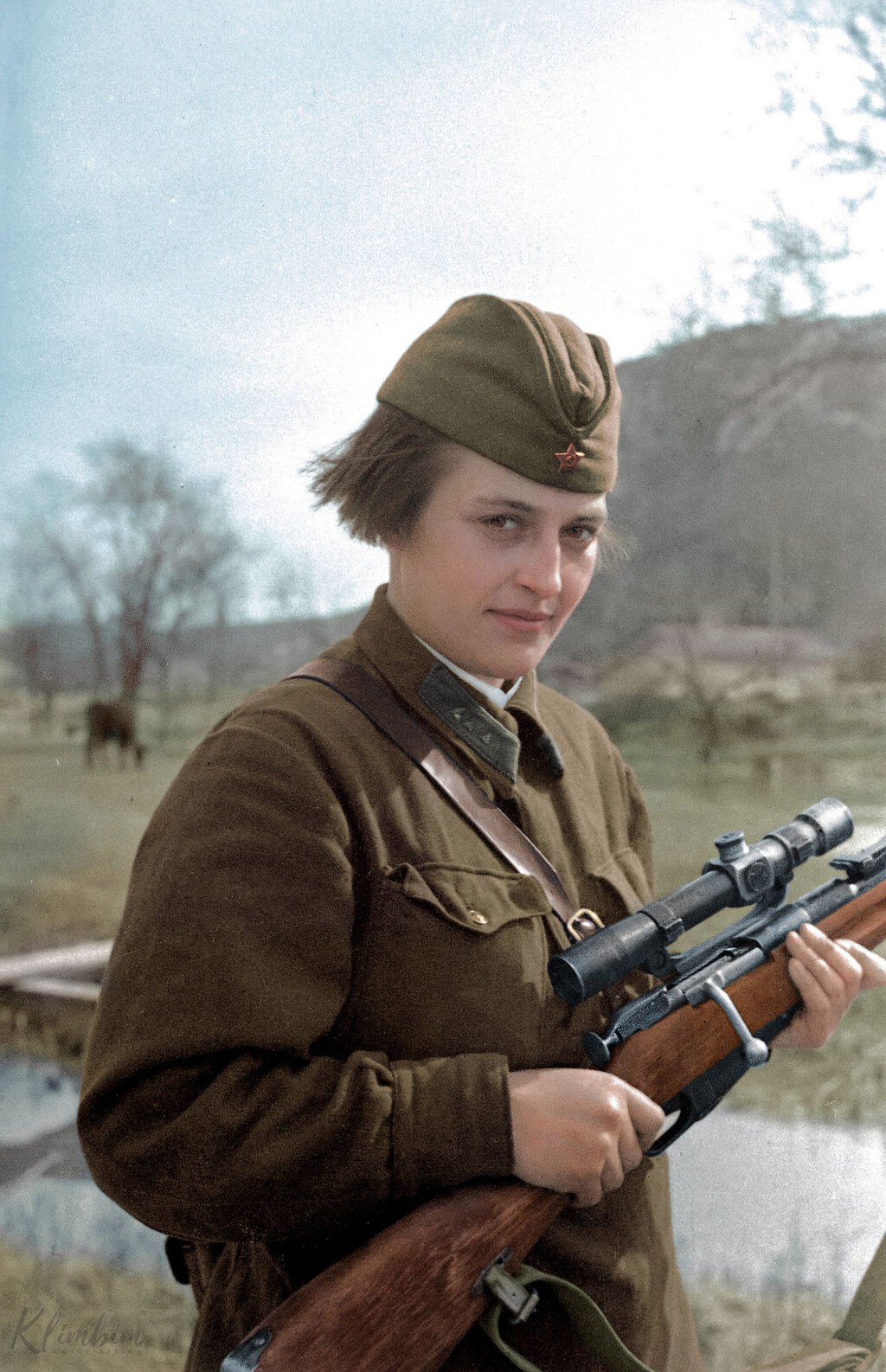
That hobby led her to train as a sniper while working at an armament factory, even though the Red Army was not willing to admit women into combat units. Only after insisting and demonstrating her skill with a rifle did she manage to join the 25th Rifle Division, beginning a military career that would change her life and turn her into a legend.
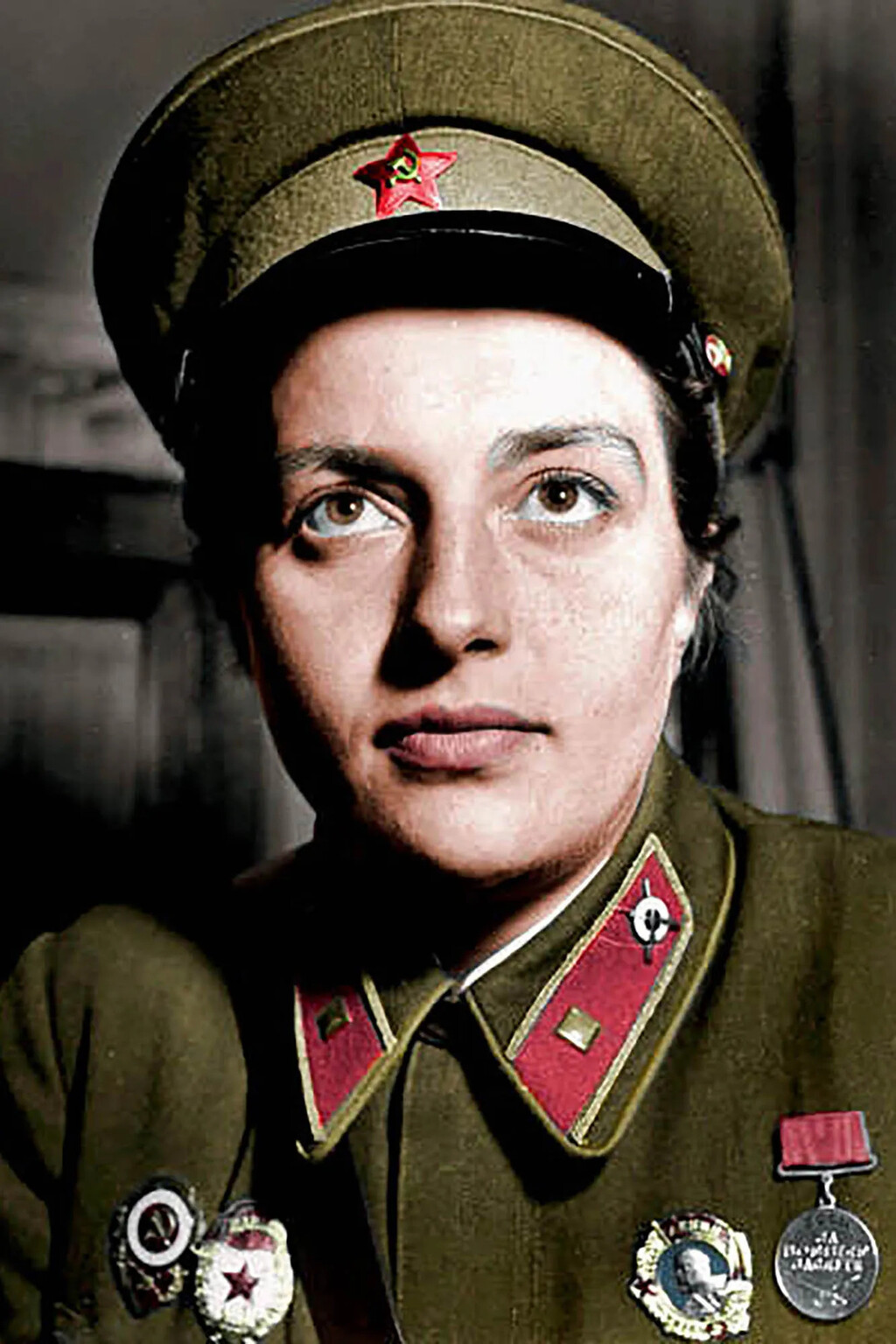
Ten Months Were Enough
Her baptism of fire came near Odessa, where she killed two enemy soldiers at long range and began a progression that was almost impossible to believe. During the defense of Sevastopol, she honed her skills and became a nightmare for German officers.
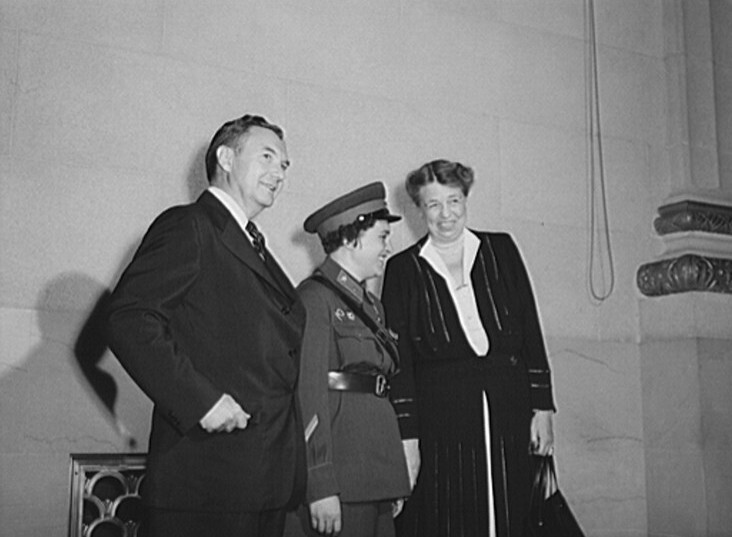
In just ten months, Pavlichenko recorded 309 confirmed kills, including 36 enemy snipers. Her precision and cold-bloodedness earned her the nickname "Lady Death" among the Germans, who tried to eliminate her with propaganda and threats.
The Decision That Changed Everything
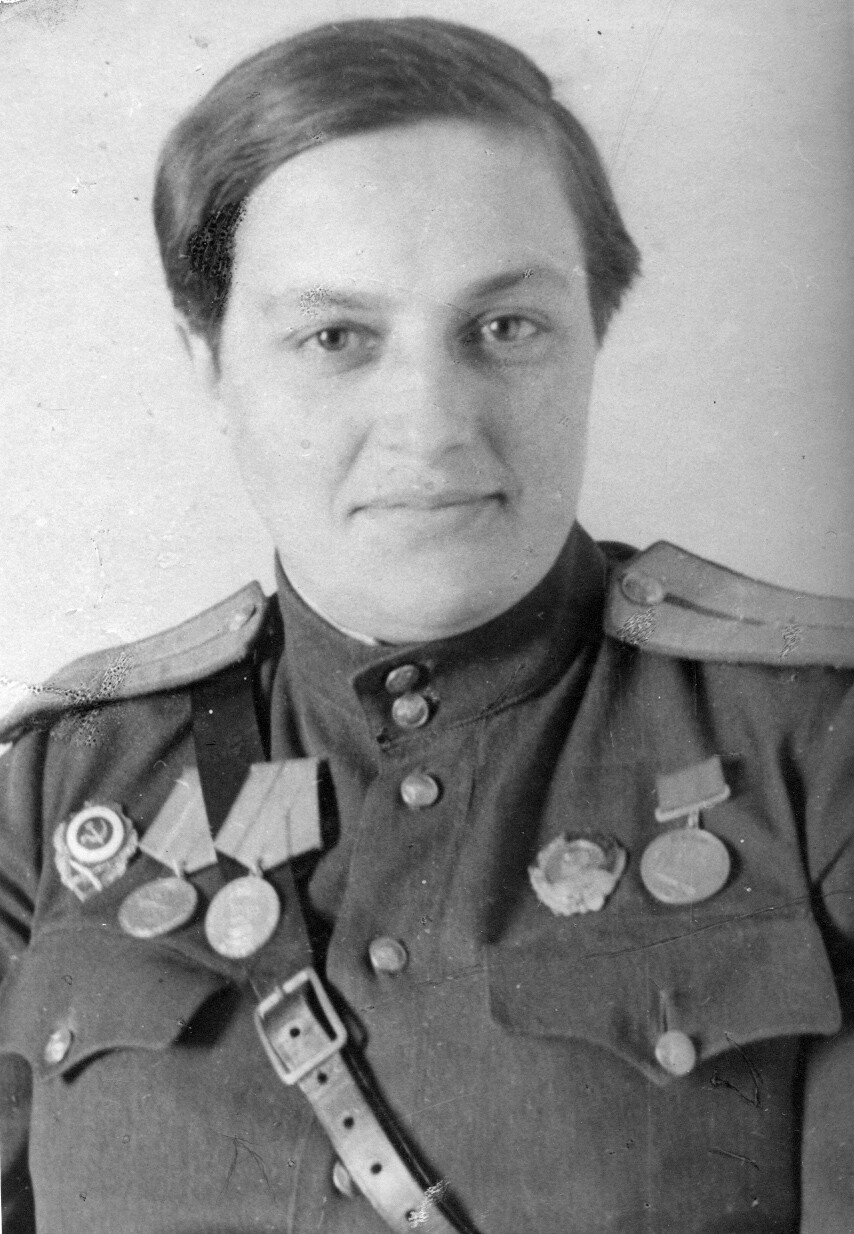
In 1942, after being wounded by mortar shrapnel, Pavlichenko was withdrawn from combat. Stalin and Soviet propaganda leaders saw in her a powerful symbol and decided to send her on a diplomatic tour to the United States and other Allied countries.
The goal was to pressure the Allies to open a second front in Europe and to strengthen the image of the Soviet Union as a key ally in the fight against Nazism. Pavlichenko, a young woman with a heroic record, was the perfect ambassador.
From the Trenches to the White House
In Washington, Pavlichenko met President Franklin D. Roosevelt and his wife, Eleanor, who became her friend. She also spoke at the International Student Assembly in Washington and toured several American cities, where she was received with curiosity and admiration.
Her visit was not without controversy: American journalists asked her superficial questions about her appearance and whether she wore makeup in combat. Pavlichenko responded with irony and turned the situation around, delivering a speech in which she criticized the delay in opening the second front. The background to this story is set out in US Soldiers Collected Japanese Skulls in World War II. A related thread runs through World War II Memorial Vandalism Leads to Arrest in DC. Earlier coverage in World War II Memorial Vandalism Leads to Federal Arrest shows how the argument developed.
Why Her Story Still Matters
Lyudmila Pavlichenko broke stereotypes in a time when women were relegated to secondary roles. Her skill with a rifle and her courage made her a hero of the Soviet Union, but her true legacy is that of a woman who used her fame to influence global politics. A closer look at the same subject appears in Trending: latest articles. Anyone following the wider picture can start with Soviet Nuclear Lighthouses in the Arctic: A Failed Experiment. The same theme surfaces in How the US Tricked the USSR to Build the SR-71 Blackbird, which takes a different angle.
Her story shows how war can transform individuals and how propaganda can turn a soldier into a symbol. It also reminds us that the fight for equality has been fought on many fronts, including the battlefield. Context on how this played out before sits in Wanbo Cube 1 Mini Projector: 120-Inch Screen for Just €89.
Key Takeaways
- Lyudmila Pavlichenko was the deadliest female sniper in history, with 309 confirmed kills.
- She was a history student when Germany invaded the Soviet Union in 1941.
- Stalin withdrew her from combat to send her on a diplomatic mission to the United States.
- She met President Roosevelt and Eleanor Roosevelt and spoke out for the opening of a second front.
- Her story challenges gender stereotypes and highlights the role of women in war.
Comparison: Pavlichenko vs. Other Snipers
| Sniper | Country | Confirmed Kills | Notable Fact |
|---|---|---|---|
| Lyudmila Pavlichenko | Soviet Union | 309 | Deadliest female sniper in history |
| Simo Häyhä | Finland | 505 | Deadliest sniper in any major war |
| Vasily Zaytsev | Soviet Union | 225 | Hero of the Battle of Stalingrad |
| Roza Shanina | Soviet Union | 59 | Known as the "unseen terror of East Prussia" |
FAQ
How many enemies did Lyudmila Pavlichenko kill?
Lyudmila Pavlichenko recorded 309 confirmed kills during World War II, including 36 enemy snipers. This makes her the deadliest female sniper in history.
Why did Stalin send Pavlichenko to Washington?
Stalin and Soviet leaders saw Pavlichenko as a powerful propaganda symbol. They sent her on a diplomatic tour to the United States to pressure the Allies to open a second front in Europe and to improve the image of the Soviet Union.
What was Pavlichenko's role in the United States?
She met President Franklin D. Roosevelt and Eleanor Roosevelt, spoke at the International Student Assembly, and toured several cities. She used her platform to advocate for the opening of a second front.
How did Pavlichenko die?
Lyudmila Pavlichenko died in 1974 at the age of 58 from a stroke. She had a long career as a historian and worked in the Soviet Veterans Committee.
Browse the Shop
 Acacia frida deluxe solid wood bed frame |
Bedroom bench |
Bed chest drawers |
Lingerie dresser |
Frame base |
Mirror with jewelry storage |
30 Bathroom Vanity |
Memory foam queen mattress |
Mattresses for back pain |
Nightstand set of 2 |
Grand Goldman Shop |
Civil Lawyer
Deutschland Trikot WM 2026







