

When it comes to choosing a broadband plan, one of the most common questions is: what internet speed do I need for remote work, gaming, and a smart home? With digital life now spanning everything from connected devices to online entertainment, education, and video calls, having enough bandwidth is crucial. In most cases, speeds below 600 Mbps are not recommended, but the dilemma of “600 Mbps vs 1 Gbps” frequently arises.
The digital lifestyle has permeated a wide range of daily activities: from smart home devices to digital leisure, education, and telecommunications in the form of video calls, voice messages, video, and images. This adoption of digital technologies in the smart home makes it advisable to increase the bandwidth of our connections.
Find Original Home Decor sparking conversation at Grand Goldman Shop.

Specifically, the “megabits” that define the speed of a fiber connection refer to the bandwidth available to the user. As Vodafone's fiber offering suggests, 600 megabits means you have 600 megabits per second (Mbps) available for streaming, video calls, gaming, downloads, remote work, and more. 1000 Mbps provides 1 Gbps (“one gig”). The more “megabits,” the more bandwidth.
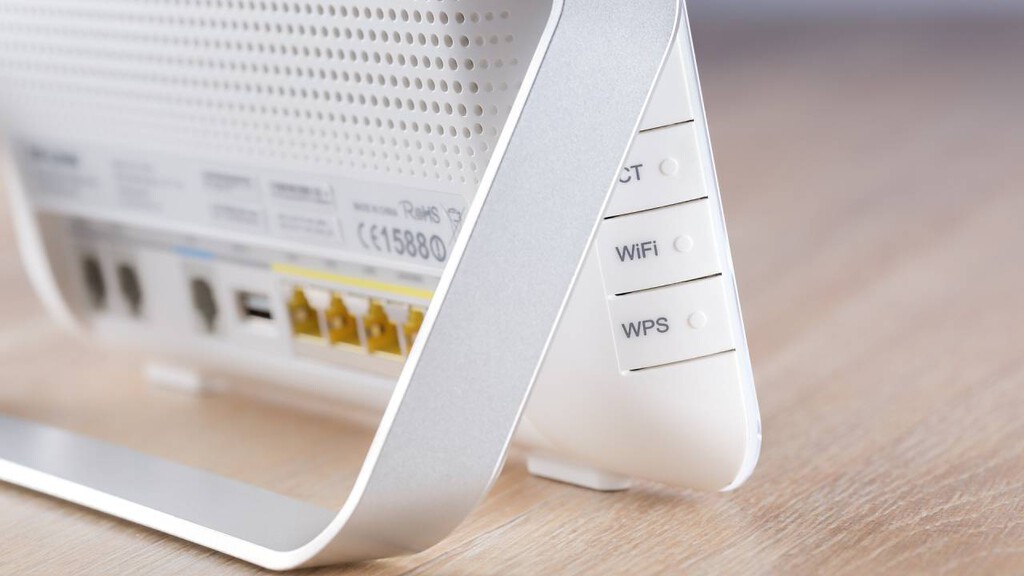
Understanding Bandwidth: What Do 600 Mbps and 1 Gbps Really Mean?
Bandwidth is the maximum amount of data that can be transmitted over your connection at once. It's like the number of lanes on a highway: more lanes (higher bandwidth) allow more cars (data) to travel simultaneously without traffic jams.
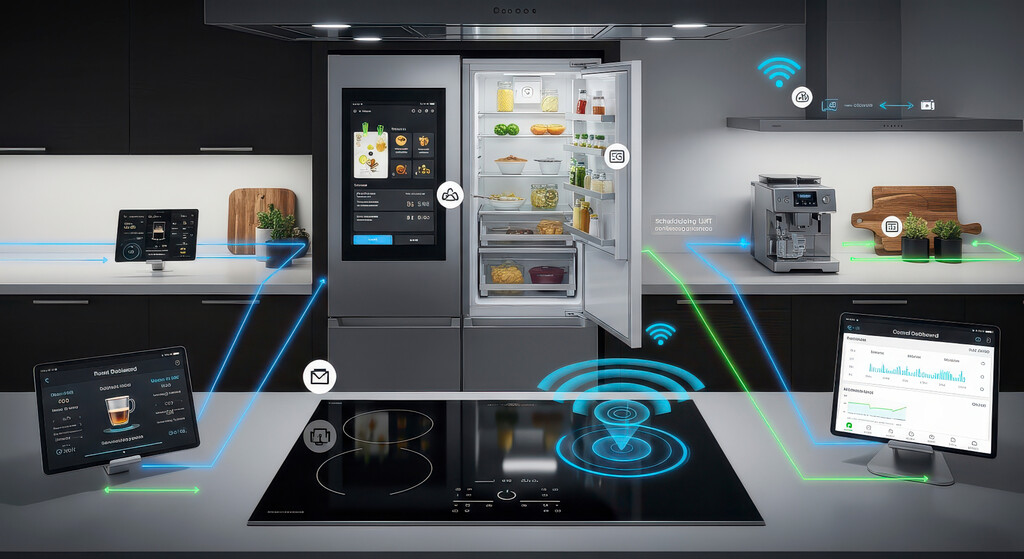
600 Mbps is plenty for most households, even with multiple users and devices. It supports 4K streaming on several screens, online gaming, video conferencing, and smart home devices without significant lag. 1 Gbps (1000 Mbps) offers even more headroom, ideal for heavy data users, large families, or those who want future-proofing.

But raw speed isn't everything. Factors like latency, router quality, and the number of connected devices also affect your experience. Still, having a higher bandwidth ceiling ensures smoother performance during peak usage.

Remote Work: How Much Speed Do You Need?
Remote work typically involves video calls, file transfers, and cloud-based applications. For a single user, 25 Mbps is often sufficient for HD video calls, but when multiple people work from home simultaneously, the demand increases.
With 600 Mbps, you can comfortably support several remote workers, each on video calls, plus other online activities. 1 Gbps provides extra capacity for large file uploads/downloads and future growth. If your household includes multiple remote workers or you frequently handle massive datasets, 1 Gbps might be worth the investment.
Gaming: Latency and Bandwidth Considerations
Online gaming is more about low latency (ping) than raw bandwidth. However, bandwidth matters for downloading game updates and streaming gameplay. A 600 Mbps connection is more than enough for gaming, even with multiple gamers in the house.
But if you're also streaming your gameplay in 4K or running a dedicated server, 1 Gbps can provide a smoother experience. Additionally, a higher bandwidth plan often comes with better routers and network prioritization, which can reduce lag.
Smart Home: The Hidden Bandwidth Consumers
Smart home devices—thermostats, cameras, lights, speakers—each use a small amount of bandwidth, but collectively they can add up. Security cameras, especially those streaming in 4K, are the biggest consumers.
With 600 Mbps, you can support dozens of smart devices alongside other online activities. 1 Gbps offers peace of mind if you plan to expand your smart home with high-bandwidth devices like 4K security cameras or smart TVs.
600 Mbps vs 1 Gbps: A Side-by-Side Comparison
To help you decide, here's a comparison of typical use cases and how each speed handles them. The background to this story is set out in Remote Work Comfort: Essential Accessories to Upgrade Your Setup. A related thread runs through Standing Desk vs Traditional Desk: Which Is Best for Remote Work. Earlier coverage in Remote Work and Environment: Australia's Green Advantage shows how the argument developed.
| Use Case | 600 Mbps | 1 Gbps |
|---|---|---|
| Remote work (multiple users) | Sufficient for 3-4 users on video calls | Ideal for 5+ users or heavy file transfers |
| 4K streaming | Supports 4-5 simultaneous streams | Supports 8-10 simultaneous streams |
| Online gaming | Excellent, low latency with good router | Excellent, extra headroom for streaming |
| Smart home devices | Handles 30-40 devices easily | Handles 60+ devices, including 4K cameras |
| Large file downloads | Fast, but 1 Gbps is noticeably quicker | Extremely fast, ideal for heavy data users |
Key Takeaways
- 600 Mbps is sufficient for most households with moderate to heavy internet use.
- 1 Gbps offers more headroom for large families, smart homes, and future-proofing.
- Consider your current and future needs: number of users, devices, and activities.
- Router quality and network setup can significantly impact your experience.
- Check with your provider for promotional offers on higher-speed plans.
Making the Right Choice for Your Home
When deciding between 600 Mbps and 1 Gbps, assess your household's internet habits. If you have multiple remote workers, gamers, and smart devices, 1 Gbps provides extra breathing room. For smaller households with moderate usage, 600 Mbps is likely more than enough. A closer look at the same subject appears in Portable Monitors for Remote Work: Top Picks for Travel. Anyone following the wider picture can start with Top Remote Work Security Tools for Laptop and Mobile. The same theme surfaces in Productivity Doubled: Stanford Says Remote Work, Not AI, which takes a different angle.
Also, consider the cost difference. Often, the price gap between 600 Mbps and 1 Gbps is small, making the upgrade worthwhile for the added peace of mind. Remember that your actual speed depends on your router, wiring, and the number of devices connected. Context on how this played out before sits in FBI Cracks Down on North Korean Remote Work Scams. A companion piece, Remote Work Becomes a Red Line: 35% of Employees Would Quit, approaches the same subject from another angle.
FAQ
Is 600 Mbps enough for remote work and gaming?
Yes, 600 Mbps is more than enough for remote work and gaming for most households. It supports multiple video calls, online gaming, and streaming simultaneously without issues.
What is the difference between 600 Mbps and 1 Gbps?
1 Gbps is 1000 Mbps, offering about 66% more bandwidth than 600 Mbps. This extra capacity is beneficial for large households with many devices or heavy data users.
Do I need 1 Gbps for a smart home?
Not necessarily. 600 Mbps can handle dozens of smart devices. However, if you have multiple 4K security cameras or plan to expand, 1 Gbps provides more headroom.
Will I notice a difference between 600 Mbps and 1 Gbps?
The difference is most noticeable during large downloads or when many devices are active. For everyday tasks like browsing and streaming, both speeds feel similar.
Browse the Shop
 Acacia frida deluxe solid wood bed frame |
Bedroom bench |
Bed chest drawers |
Lingerie dresser |
Frame base |
Mirror with jewelry storage |
30 Bathroom Vanity |
Memory foam queen mattress |
Mattresses for back pain |
Nightstand set of 2 |
Grand Goldman Shop |
Civil Lawyer
Deutschland Trikot WM 2026







