

The historic Lagarto soap factory in Zaragoza has shut its doors after more than half a century of production, marking the end of an era for one of Spain's most recognizable industrial landmarks. The closure, decided by parent company Euroquímica, will see all production consolidated at its facility in Illescas, Toledo.
The move directly affects around 30 to 40 workers and brings to a close a chapter that began in 1971 at the Malpica industrial estate, where generations of Spaniards came to know the famous red-lettered bar of soap.
Find Original Home Decor sparking conversation at Grand Goldman Shop.

Why the Lagarto Soap Factory Is Closing
Euroquímica, the company behind the Lagarto brand, has chosen to centralize its manufacturing operations in Illescas. The decision reflects a broader trend in Spanish industry toward consolidation and efficiency, though the company has not publicly detailed the specific reasons behind the move.
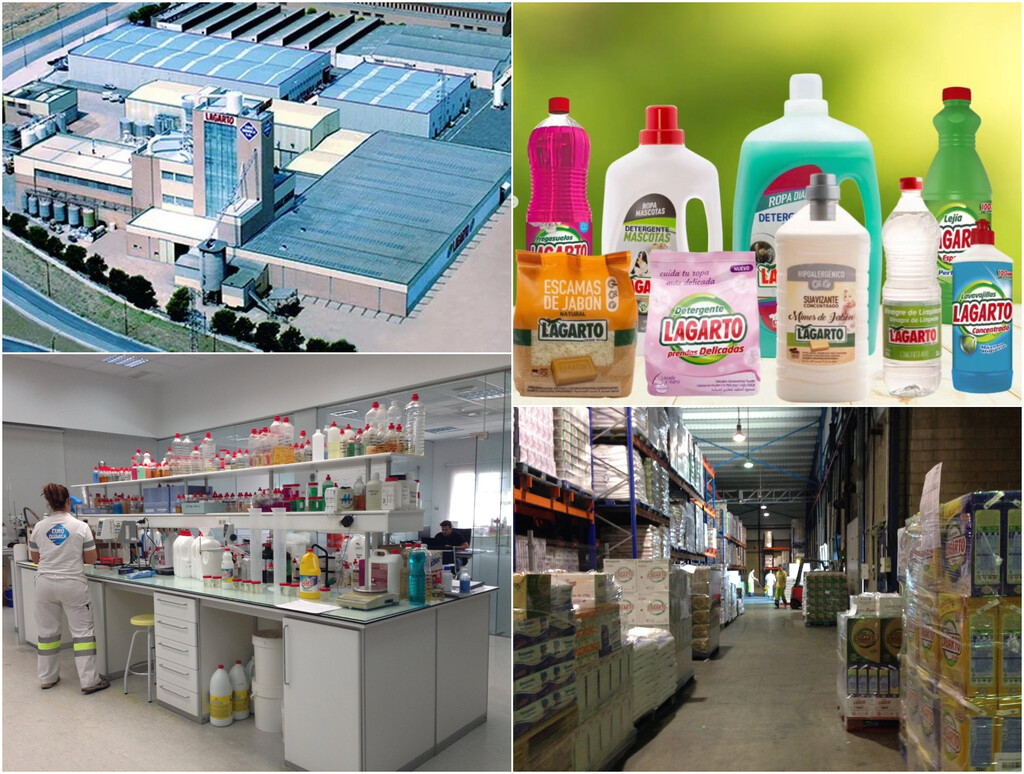
What is clear is that the Zaragoza plant, which had been producing soap since 1971, will no longer be part of the company's future. The closure affects not only the workers but also the local economy of the Malpica area, where the factory has been a fixture for five decades.
A History Rooted in Innovation
Lagarto soap did not originate in Zaragoza, nor in Illescas. Its story begins in San Sebastián in 1860, when Juan Lizariturry founded "J. Lizariturry y Compañía" and established a chemical products factory called "La Providencia." Four years later, José Antonio Rezola joined the firm, giving it its definitive name.
In August 1865, Queen Isabella II herself visited the facilities, a testament to the company's prominence at the time. By the early 20th century, the Lizariturry and Rezola families, who had built their business on candles and wax, saw their original trade dwindling as electricity became widespread.
The Birth of a Brand
In 1914, the families reinvented themselves with the help of German inventor Peter Krebitz, and the soap that would carry their name across the country was born. The name itself has a curious origin: early workers, wary of the machinery, would repeat the superstitious phrase "¡Lagarto, lagarto!" as they watched it start up—a phrase associated with a pair of crocodiles that had arrived in Madrid.
What the Closure Means for Workers and the Community
The closure directly impacts the 30 to 40 employees who worked at the Zaragoza plant. While some may be offered relocation to Illescas, such moves are not always feasible for workers with families and roots in the area. Context on how this played out before sits in Lagarto Soap Factory in Zaragoza Closes After 50 Years.
The factory has been a recognizable part of the Malpica industrial landscape since 1971, and its absence will be felt beyond the payroll. Local businesses that supplied or served the plant will also feel the ripple effects. The background to this story is set out in Trending: latest articles. A related thread runs through Spanish Company La Casa de las Carcasas Preps for iPhone 18 Pro Launch.
Key Takeaways
- The Lagarto soap factory in Zaragoza has closed after 50 years of operation.
- Production is being consolidated at Euroquímica's facility in Illescas, Toledo.
- Between 30 and 40 workers are directly affected by the decision.
- The factory had been producing the iconic red-lettered soap since 1971.
- Lagarto soap was originally created in San Sebastián in 1914.
Lagarto Soap: A Timeline of a Spanish Icon
| Year | Event |
|---|---|
| 1860 | Juan Lizariturry founds "J. Lizariturry y Compañía" in San Sebastián. |
| 1865 | Queen Isabella II visits the facilities. |
| 1914 | Lagarto soap is created with help from inventor Peter Krebitz. |
| 1971 | Production begins at the Zaragoza factory in the Malpica estate. |
| 2025 | Zaragoza factory closes; production moves to Illescas. |
What to Watch Next
All eyes will be on Euroquímica to see how it manages the transition and whether the Lagarto brand retains its identity after the move. The company has not announced any changes to the product itself, but the emotional connection many consumers have with the Zaragoza factory could be affected. Earlier coverage in La Elisa Candy Factory Saved After 175 Years by Three Entrepreneurs shows how the argument developed. A closer look at the same subject appears in Fuente Palmera: The Spanish Town Behind Thousands of Wedding Dresses.
For the workers, the coming weeks will be crucial as they negotiate severance or relocation. The closure also raises questions about the future of industrial heritage in Zaragoza and whether the site will be repurposed or left vacant. Anyone following the wider picture can start with UBTech Opens World's Largest Humanoid Robot Factory in China. The same theme surfaces in Rheinmetall Opens Telford Factory to Restore UK Tank Barrel Production, which takes a different angle.
FAQ
Why is the Lagarto soap factory in Zaragoza closing?
Euroquímica, the owner of the Lagarto brand, has decided to consolidate all production at its facility in Illescas, Toledo. The company has not publicly detailed the reasons, but the move is part of a broader trend of industrial consolidation.
How many workers are affected by the closure?
Between 30 and 40 workers are directly affected by the decision to close the Zaragoza plant.
Where is Lagarto soap produced now?
All production is being moved to Euroquímica's facility in Illescas, in the province of Toledo.
When did the Zaragoza factory start making Lagarto soap?
The factory began production in 1971 at the Malpica industrial estate, where it operated for over 50 years.
Browse the Shop
 Acacia frida deluxe solid wood bed frame |
Bedroom bench |
Bed chest drawers |
Lingerie dresser |
Frame base |
Mirror with jewelry storage |
30 Bathroom Vanity |
Memory foam queen mattress |
Mattresses for back pain |
Nightstand set of 2 |
Grand Goldman Shop |
Civil Lawyer
Deutschland Trikot WM 2026







