

Marcus Aurelius, the Roman emperor and stoic philosopher, offers timeless wisdom that resonates today. His quote, "Receive without pride, let go without lamentation," captures the essence of stoic ethics and provides a guide for modern living.
Born in 121 AD, Marcus Aurelius Antoninus was not only a powerful ruler but also a dedicated student of philosophy. His reign as emperor from 161 to 180 AD coincided with a period of significant challenges, including wars and plagues. Despite these pressures, he found solace in stoic principles, which he recorded in his personal notes, later published as Meditations.
Find Original Home Decor sparking conversation at Grand Goldman Shop.

Who Was Marcus Aurelius?
Marcus Aurelius was a Roman emperor and a prominent stoic philosopher. He is often considered the last of the "Five Good Emperors" and is remembered for his philosophical writings, particularly Meditations, which continue to inspire readers today.
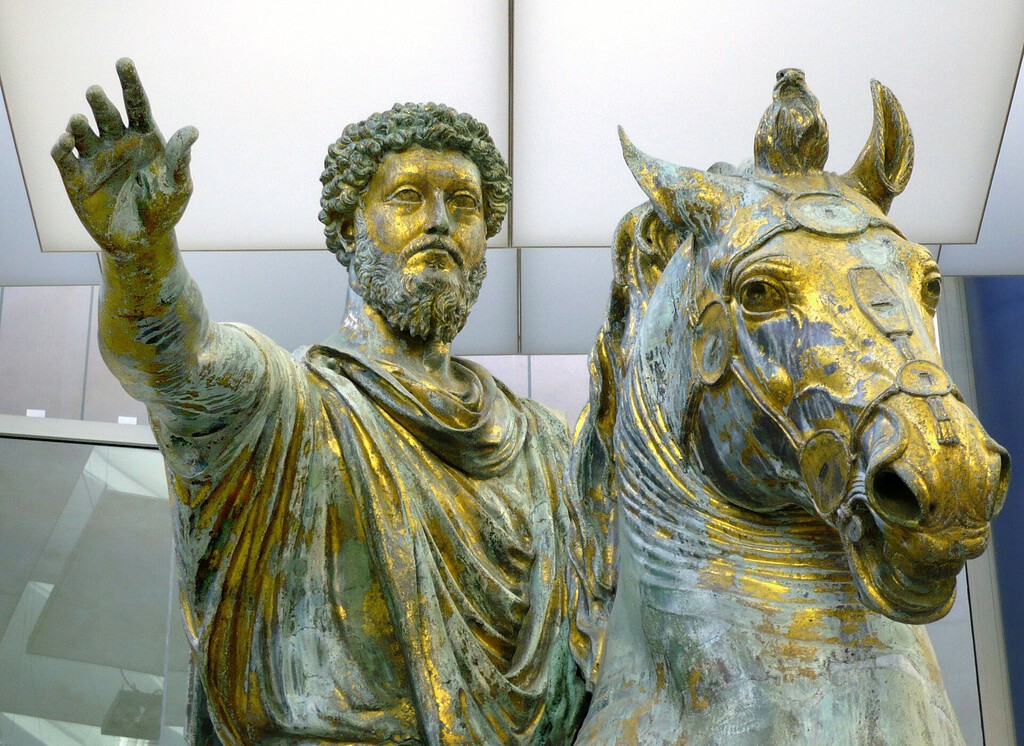
His dual role as emperor and philosopher made him unique. He struggled with the same human emotions and doubts as anyone else, but his commitment to stoicism helped him navigate the burdens of leadership.
The Stoic Philosophy of Marcus Aurelius
Stoicism teaches that we should focus on what we can control and accept what we cannot. Marcus Aurelius embodied this by maintaining equanimity in the face of both fortune and adversity.
The quote "Receive without pride, let go without lamentation" reflects the stoic ideal of accepting external events with indifference. It reminds us to avoid becoming attached to material goods or status, and to remain calm when they are lost.
Key Takeaways from Stoicism
- Focus on the present: Stoics believe that dwelling on the past or worrying about the future is futile.
- Control your reactions: While we cannot control external events, we can control our judgments and emotions.
- Practice gratitude: Appreciate what you have without becoming attached to it.
- Accept impermanence: Everything is temporary; recognizing this helps us let go without lamentation.
- Live virtuously: Stoicism emphasizes wisdom, courage, justice, and temperance as the path to a meaningful life.
Meditations: A Personal Journey
Meditations is not a formal treatise but a collection of personal notes. Marcus Aurelius wrote them for himself, not for publication, which gives them a raw and honest quality.
The work is divided into 12 books, each containing short reflections. The style is concise and austere, devoid of rhetorical flourishes, reflecting the emperor's direct approach to philosophy.
Structure and Themes
The entries range from brief aphorisms to longer discussions. Common themes include duty, mortality, and the importance of rationality. Marcus often reminds himself to live according to nature and to focus on the common good. Context on how this played out before sits in Marcus Aurelius: Stoic Emperor's Timeless Wisdom.
| Aspect | Details |
|---|---|
| Author | Marcus Aurelius |
| Period | 2nd century AD |
| Genre | Philosophical notes |
| Books | 12 |
| Key Themes | Stoicism, duty, mortality, rationality |
Applying Stoic Wisdom Today
In our fast-paced world, stoic principles can help us maintain perspective. The quote about receiving without pride and letting go without lamentation is particularly relevant in a culture obsessed with success and material wealth. The background to this story is set out in Stoicism Industry: How a Million-Dollar Market Sells the Opposite of Stoicism. A related thread runs through Roman Fort Discovery in Wales Validates Emperor Magnus Maximus Legend.
By adopting a stoic mindset, we can become more resilient. We learn to enjoy successes without arrogance and to handle losses with grace. This approach reduces stress and fosters inner peace. Earlier coverage in Trending: latest articles shows how the argument developed. A closer look at the same subject appears in Descartes' 400-Year-Old Problem-Solving Method Still Works Today.
Many modern leaders and thinkers, from business executives to athletes, have embraced stoicism. Its practical advice on managing emotions and focusing on what matters makes it a valuable philosophy for anyone. Anyone following the wider picture can start with Lugo Roman Wall: 2,000-Year-Old Defensive Marvel in Spain. The same theme surfaces in Sartre's 'Hell Is Other People': The Real Meaning Behind the Misunderstood, which takes a different angle.
FAQ
What is the meaning of "Receive without pride, let go without lamentation"?
This quote encapsulates the stoic attitude towards external goods. It advises us to accept good fortune without arrogance and to release it without sorrow when it inevitably changes.
Why is Marcus Aurelius considered a stoic philosopher?
Marcus Aurelius was a practicing stoic who applied its principles to his life as emperor. His personal writings, Meditations, are a cornerstone of stoic literature.
How can I apply stoicism in my daily life?
Start by focusing on what you can control and accepting what you cannot. Practice gratitude, stay present, and respond to challenges with reason rather than emotion.
What are the key teachings of Meditations?
Meditations emphasizes self-discipline, duty, and the importance of living in accordance with nature. It encourages readers to cultivate virtue and accept impermanence.
Browse the Shop
 Acacia frida deluxe solid wood bed frame |
Bedroom bench |
Bed chest drawers |
Lingerie dresser |
Frame base |
Mirror with jewelry storage |
30 Bathroom Vanity |
Memory foam queen mattress |
Mattresses for back pain |
Nightstand set of 2 |
Grand Goldman Shop |
Civil Lawyer
Deutschland Trikot WM 2026







