

The glass delusion was a strange psychological phenomenon in late medieval and early modern Europe, where sufferers believed their bodies were made of glass and could shatter. This mass hysteria affected not only commoners but also royals like King Charles VI of France.
In the late 14th century, King Charles VI of France became convinced his body was made of glass. He refused to move, fearing any touch would break him into pieces. This was not an isolated case; the glass delusion spread across Europe, revealing how mental illness often reflects the cultural fears of its time.
Find Original Home Decor sparking conversation at Grand Goldman Shop.

What Was the Glass Delusion?
The glass delusion was a psychiatric phenomenon where individuals believed their bodies, or parts of them, were made of glass. Sufferers avoided physical contact and often sat motionless, terrified of shattering. The delusion was first documented in the late Middle Ages and persisted into the 17th century.
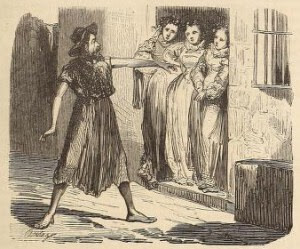
This condition was a form of mass hysteria, though modern experts view it as a cultural expression of mental illness. The delusion was not limited to royalty; historical records show cases among ordinary people as well.
The Case of King Charles VI
King Charles VI of France, known as Charles the Beloved early in his reign, inherited the throne in 1380 at age 11. By his early twenties, he had restored stability to the kingdom, but in August 1392, during a military campaign, he suffered his first major breakdown after a page dropped a lance. The sound triggered a violent episode where he attacked his own knights, killing four before being restrained.
This was the first of many episodes that plagued him until his death in 1422. Pope Pius II later wrote that Charles believed his body was made of glass and took precautions to avoid breaking. The king's condition earned him the epithet Charles the Mad.
Why Did the Glass Delusion Occur?
The glass delusion emerged during a time when glass was a novel and fragile material. It was expensive and associated with the upper class, so the delusion may have been a way for sufferers to express feelings of fragility or specialness. Some historians suggest it was a metaphor for the vulnerability of the human body.
Others believe it was a manifestation of anxiety about social status, as glass was a luxury item. The delusion allowed individuals to claim a kind of distinction, even in their illness.
Other Notable Cases
Beyond Charles VI, several other cases were recorded. In the 17th century, a man named Niccolò in Italy believed his buttocks were made of glass and refused to sit. Another case involved a Frenchman who insisted on being handled with cushions to prevent breaking.
These cases show the delusion was not confined to royalty but appeared across different social classes and countries. The background to this story is set out in Europe Fire Weather Records Shatter as Blazes Rage Across. A related thread runs through King Charles Caribbean Visit: Winston Churchill's Empire Plunder. Earlier coverage in Korea Review: A Nirvana of Wild Beauty Shattered by 20th Century shows how the argument developed.
Lessons for Modern Mental Health
The glass delusion illustrates how mental illness can be shaped by cultural context. Today, similar phenomena might manifest as fears of electromagnetic sensitivity or other modern anxieties. Understanding historical cases helps destigmatize mental health and shows that delusions often reflect societal fears. A closer look at the same subject appears in Trending: latest articles. Anyone following the wider picture can start with King Charles III's Forbidden Map of South America: Too Accurate. The same theme surfaces in 1599 Spanish Tortilla Recipe Settles the Onion Debate, which takes a different angle.
Modern psychiatry recognizes the glass delusion as an early example of mass psychogenic illness, where stress and suggestion play roles. It underscores the importance of compassionate care and cultural sensitivity in treating mental health. Context on how this played out before sits in What's Wrong With Men? The Wrong Question Hurts Male Mental Health. A companion piece, Netflix's Queen's Gambit: Psychologists Recommend for Mental Health, approaches the same subject from another angle.
FAQ
What was the glass delusion?
The glass delusion was a psychological condition where people believed their bodies were made of glass and could break. It was most common in the late Middle Ages and Renaissance, affecting both commoners and royalty like King Charles VI of France.
Did King Charles VI really think he was made of glass?
Yes, historical accounts, including writings by Pope Pius II, confirm that Charles VI believed his body was glass and took extreme precautions to avoid shattering. This was part of his broader mental illness, which included violent episodes.
Why was the glass delusion so common in the past?
The delusion likely reflected the cultural significance of glass as a fragile and luxurious material. It may have been a way for sufferers to express feelings of vulnerability or specialness in a society where glass was rare and valued.
Does the glass delusion still exist today?
While the specific glass delusion is rare today, similar delusions can occur, often shaped by modern materials and fears. It is considered a historical example of mass psychogenic illness, and modern cases might involve different substances or technologies.
Browse the Shop
 Acacia frida deluxe solid wood bed frame |
Bedroom bench |
Bed chest drawers |
Lingerie dresser |
Frame base |
Mirror with jewelry storage |
30 Bathroom Vanity |
Memory foam queen mattress |
Mattresses for back pain |
Nightstand set of 2 |
Grand Goldman Shop |
Civil Lawyer
Deutschland Trikot WM 2026







