

Silicon-carbon batteries are emerging as the key to smartphones that last up to two days on a single charge without adding bulk. For nearly 30 years, devices have been constrained by the chemistry of lithium-ion batteries. Until recently, the only way to get more battery life was to use a physically larger battery, which made phones thicker and heavier. That is now changing, thanks to a shift in battery architecture.
What Are Silicon-Carbon Batteries?
Traditional lithium-ion batteries use graphite in the anode—the negative electrode. Graphite is cheap and stable, but it has a clear capacity limit, meaning you need a lot of it to store enough energy for a smartphone. Silicon, on the other hand, can store up to 10 times more lithium ions per gram than graphite.
Find Original Home Decor sparking conversation at Grand Goldman Shop.

Specifically, silicon has a specific capacity of around 4,200 mAh/g, compared to about 370 mAh/g for graphite. This means smaller batteries for the same runtime, or more runtime in the same space. Silicon-carbon batteries incorporate silicon into the anode, often alongside carbon to manage expansion and stability.
Why Silicon-Carbon Matters for Smartphones
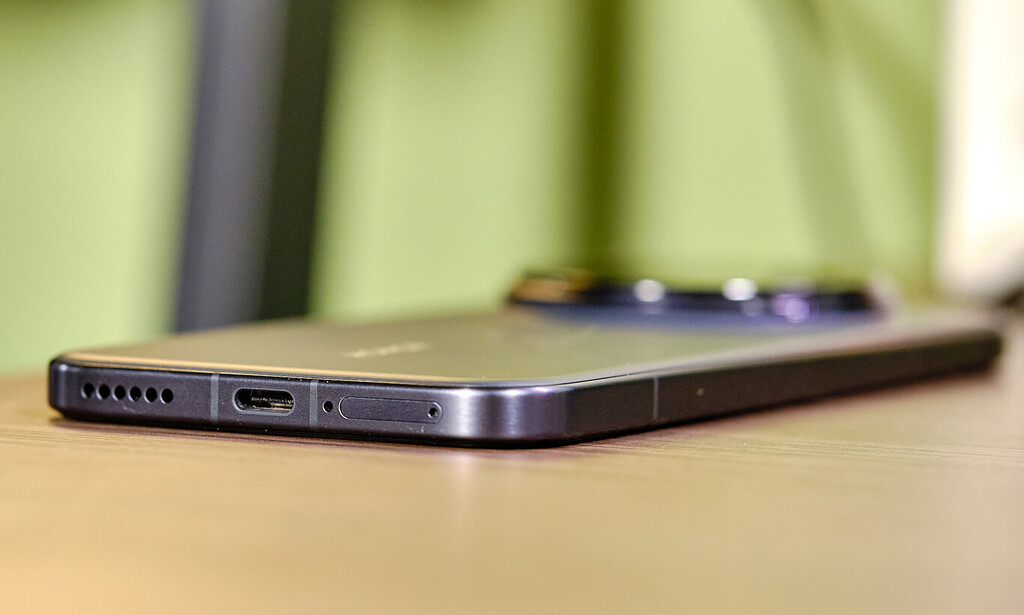
The shift to silicon-carbon anodes is allowing manufacturers to pack larger capacities into thinner designs. For example, the Honor Magic V3, a foldable phone, measures just 4.35 mm when unfolded yet houses a battery of 5,500 mAh or more. Such specs were previously impossible without making the device chunky.
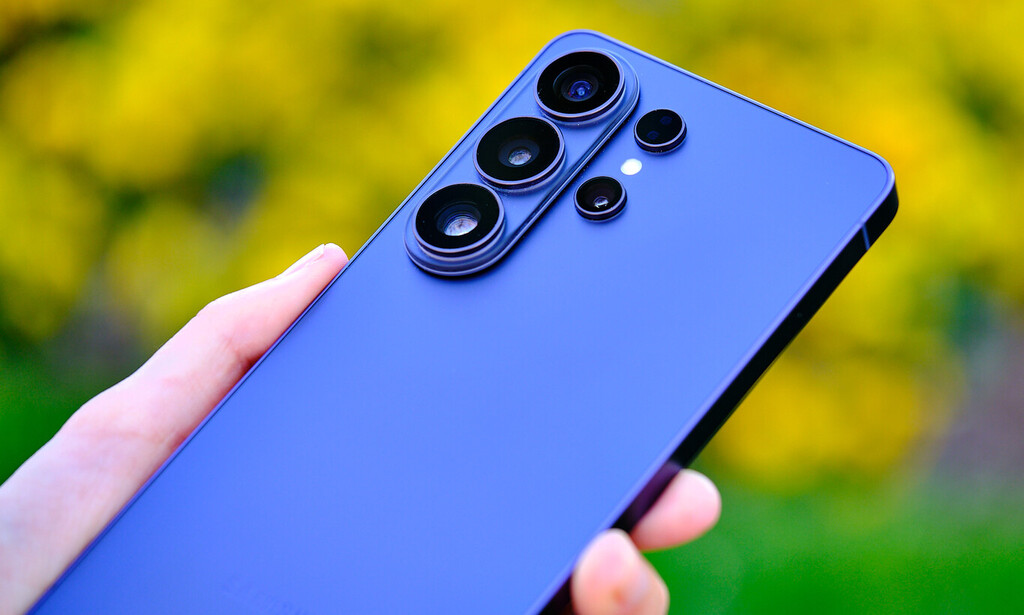
This matters because consumers want longer battery life without sacrificing portability. Silicon-carbon batteries deliver both: higher energy density and slimmer form factors. As a result, we are seeing phones that can comfortably last two days on a charge, even with heavy use.
- Higher energy density: Silicon anodes store up to 10x more lithium ions per gram than graphite.
- Slimmer designs: Phones can be thinner while housing larger batteries.
- Longer runtime: Two-day battery life becomes feasible without adding weight.
- Fast adoption: Major brands are already shipping silicon-carbon batteries in flagship devices.
- Challenges remain: Silicon expands during charging, requiring engineering solutions.
How Silicon-Carbon Batteries Work
In a lithium-ion battery, lithium ions move between the anode and cathode during charge and discharge. The anode's ability to hold ions determines capacity. Silicon can hold far more ions than graphite, but it swells significantly when charged, which can degrade the battery over time.
Silicon-carbon composites mitigate this by embedding silicon particles in a carbon matrix. The carbon provides structural support and conductivity, while the silicon boosts capacity. This allows manufacturers to use silicon without sacrificing cycle life.
Comparing Battery Chemistries
The table below summarizes key differences between traditional graphite anodes and silicon-carbon anodes.
| Property | Graphite Anode | Silicon-Carbon Anode |
|---|---|---|
| Specific capacity (mAh/g) | ~370 | ~4,200 |
| Energy density | Baseline | Up to 10x higher |
| Volume expansion | Low | High (mitigated by carbon) |
| Cycle life | Mature, stable | Improving with composites |
| Typical use | Most current phones | New flagship models |
What This Means for Consumers
For everyday users, the most visible benefit is longer battery life. A phone that lasts two days means less worrying about charging, especially when traveling or during busy days. Additionally, thinner and lighter phones are more comfortable to carry and use.
However, silicon-carbon batteries are not without challenges. The expansion issue can affect longevity, though manufacturers are addressing it with advanced composites and battery management systems. As the technology matures, we can expect further improvements in cycle life and safety. The background to this story is set out in Honor Magic 9 Pro Max: Chinese Brands Bet Big on Silicon-Carbon Batteries. A related thread runs through How to Keep Phone Battery at 85% After 5 Years: Physics Explained. Earlier coverage in Xiaomi Redmi Note 17 Review: The Phone That Ends Battery Anxiety shows how the argument developed.
What to Watch Next
Silicon-carbon batteries are still relatively new, but their adoption is accelerating. Expect to see more mid-range phones featuring this technology as costs come down. Also, look for improvements in fast charging and overall battery lifespan. A closer look at the same subject appears in Xiaomi Phones With 9,210 mAh Battery and Early Prime Deals. Anyone following the wider picture can start with Ulefone Armor 33: 25,500 mAh Battery Phone Now on Sale. The same theme surfaces in OnePlus Nord 5 with top specs – Nord CE5 with the biggest battery ever in a OnePlus smartphone, which takes a different angle.
Regulators and industry standards will play a role in ensuring safety and performance. As with any new technology, real-world performance will be the ultimate test. Context on how this played out before sits in Molten Salt Batteries: Storing Renewable Energy Without Lithium. A companion piece, CATL's Lithium-Air Battery: A Gasoline-Rivaling Energy Storage Bet, approaches the same subject from another angle.
FAQ
What is a silicon-carbon battery?
A silicon-carbon battery is a lithium-ion battery that uses a silicon-carbon composite in the anode instead of graphite. This allows it to store more energy in the same space.
Why do silicon-carbon batteries allow thinner phones?
Because silicon has a much higher capacity per gram than graphite, manufacturers can achieve the same battery life with a smaller battery, freeing up space for other components or reducing thickness.
Are silicon-carbon batteries safe?
Yes, they are designed to meet safety standards. The carbon matrix helps manage silicon expansion, and battery management systems prevent issues like overheating.
Will all phones soon have silicon-carbon batteries?
Adoption is growing, especially in flagship models. As costs decrease, we expect more mid-range phones to use this technology in the coming years.
Browse the Shop
 Acacia frida deluxe solid wood bed frame |
Bedroom bench |
Bed chest drawers |
Lingerie dresser |
Frame base |
Mirror with jewelry storage |
30 Bathroom Vanity |
Memory foam queen mattress |
Mattresses for back pain |
Nightstand set of 2 |
Grand Goldman Shop |
Civil Lawyer
Deutschland Trikot WM 2026







