

Spain's explosive padel boom is killing thousands of birds annually, as the transparent glass walls of the country's 17,000 courts become deadly collision traps. Towns like Budia in Guadalajara are now covering their padel court screens with white nets to prevent birds from crashing into them, a small but telling response to a growing environmental problem.
The issue has caught the attention of ecologists and wildlife agencies, who warn that the sport's rapid expansion is taking a heavy toll on avian populations. With one padel court for every 2,800 inhabitants, Spain has one of the highest densities of padel facilities in the world, and the consequences for birds are only now becoming clear.
Find Original Home Decor sparking conversation at Grand Goldman Shop.

The scale of Spain's padel obsession
According to the International Padel Federation (IPF), Spain had 4,500 clubs and facilities and around 17,000 courts in 2024. Catalonia and Andalusia lead the way with over 3,200 courts each, followed by Madrid with 2,300 and the Valencian Community with nearly 2,000. This vast network has made padel a cornerstone of Spanish social life, but it has also turned the country into a hazardous landscape for birds.
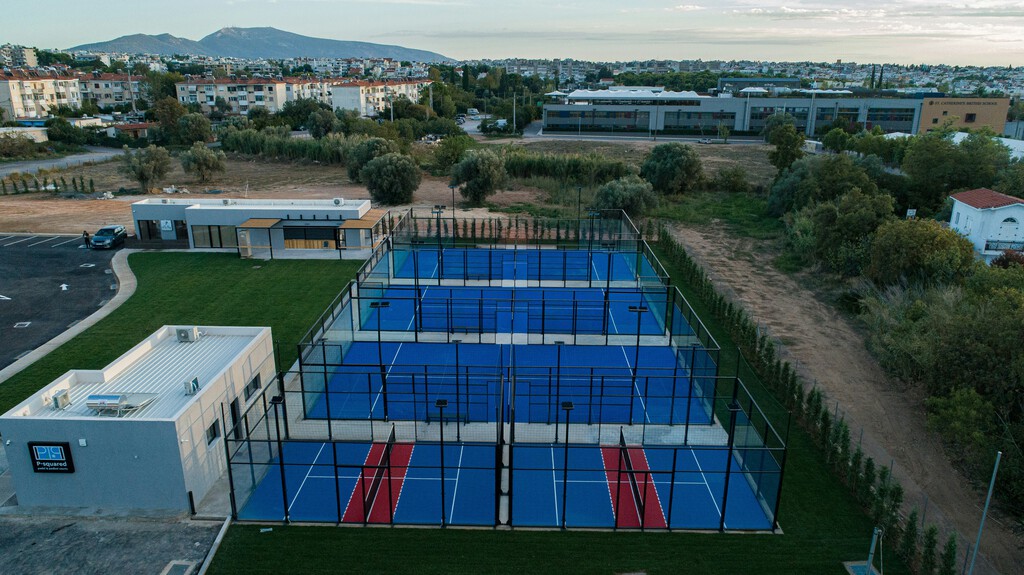
The problem lies in the design of padel courts: they are enclosed by glass walls that reflect the sky and surrounding vegetation, creating an invisible barrier for birds in flight. Birds cannot perceive the glass and collide with it at full speed, often suffering fatal injuries. The sheer number of courts multiplies the risk, especially in areas with high bird traffic.
Why padel courts are bird killers
Glass collisions are a well-documented threat to birds worldwide, but padel courts present a unique challenge. Unlike skyscrapers, which are concentrated in urban centers, padel courts are often built on the outskirts of towns and in rural areas, right in the middle of birds' natural habitats. The transparent walls and the reflective surface act as mirrors, showing birds the sky and trees they are flying toward, leading to deadly impacts.
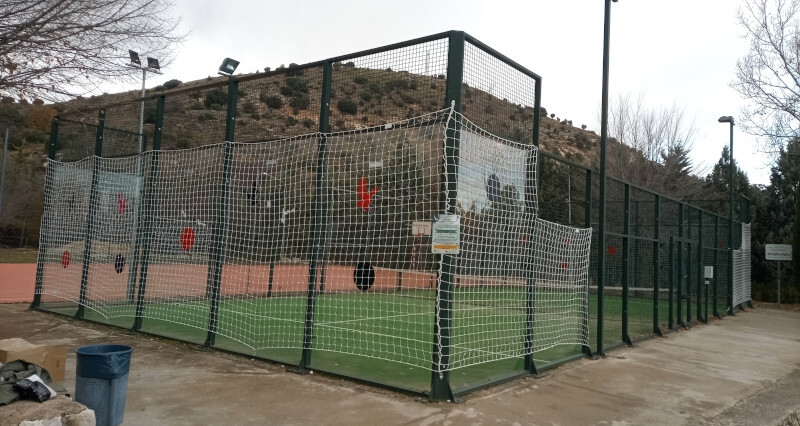
In Budia, a small town in the province of Guadalajara, the local council decided to cover the court's glass walls with a white mesh net. The measure was not aesthetic or logistical but a direct response to the bird mortality problem. Budia is not alone: at least half a dozen municipalities in the same province have implemented similar solutions, signaling a growing awareness of the issue.
How towns are fighting back
The white netting works by making the glass visible to birds, breaking the reflection and providing a visual cue that there is a solid barrier ahead. It is a simple, low-cost fix that can drastically reduce collisions. Other towns have experimented with stickers, decals, and patterned films, all aimed at the same goal: making the glass detectable to avian eyes.
These local initiatives are often driven by residents and local environmental groups rather than national policy. In the absence of binding regulations, municipalities are taking matters into their own hands, driven by a sense of responsibility toward local wildlife. The measures are not mandatory, but they are spreading as awareness grows.
The bigger picture: padel's environmental footprint
The bird collision issue is just one aspect of padel's environmental impact. The construction of courts requires land, and the materials used—glass, steel, and synthetic turf—have their own carbon footprint. Moreover, the lighting of courts for night play can disrupt nocturnal wildlife, and the noise generated by the sport can disturb local fauna. Context on how this played out before sits in Spain's Padel Boom Is Killing Thousands of Birds Annually.
As padel continues to grow, both in Spain and internationally, the pressure on wildlife will only increase. The IPF and national federations have a role to play in promoting bird-friendly designs and encouraging clubs to adopt mitigation measures. Without such guidance, the burden will continue to fall on local communities and environmentally conscious individuals. The background to this story is set out in Trending: latest articles. A related thread runs through Alicante's Cat Colonies Spark Uproar Over Animal Welfare Law.
What other countries can learn from Spain
Spain's experience offers valuable lessons for countries where padel is taking off, such as Argentina, Mexico, and Sweden. By integrating bird-friendly features into court design from the start, these countries can avoid the pitfalls that Spain is now grappling with. Simple measures like using non-reflective glass, adding visible patterns, or positioning courts away from key bird flight paths can make a big difference. Earlier coverage in Spain's Crumbling Castles: The Crisis of Unknown Heritage shows how the argument developed. A closer look at the same subject appears in Light Pollution Map: Your Key to Spain's 2026 Astronomy Events.
Moreover, the Spanish case highlights the importance of monitoring and research. Without data on bird mortality at padel courts, it is difficult to quantify the problem or evaluate the effectiveness of solutions. Citizen science initiatives and collaborations between sports clubs and ornithologists could fill this gap. Anyone following the wider picture can start with Spain's Ugly Vulture Bird Is Key to Europe's Ecosystem Survival. The same theme surfaces in Spain's Wildlife Comeback: Wolves, Bears, and Lynx Spark Rural Conflict, which takes a different angle.
FAQ
How many birds are killed by padel courts in Spain each year?
There is no official count, but conservationists estimate that thousands of birds die annually from collisions with padel court glass. The exact number is unknown due to a lack of systematic monitoring, but the high density of courts and their location in bird habitats suggest a significant toll.
What is being done to prevent bird collisions with padel courts?
Some municipalities, like Budia in Guadalajara, have installed white netting over the glass walls to make them visible to birds. Other measures include stickers and patterned films. These actions are mostly local and voluntary, as there are no national regulations requiring bird-friendly padel courts.
Why do birds collide with padel court glass?
Birds cannot see glass and instead see reflections of the sky and vegetation, which they perceive as open space. This leads them to fly directly into the glass at high speed, often with fatal consequences. The problem is exacerbated by the fact that padel courts are often located in or near natural habitats.
Is the padel industry taking action to protect birds?
The industry has been slow to respond, but there are signs of change. Some clubs are voluntarily adopting bird-friendly measures, and there is growing pressure from environmental groups and the public. However, without mandatory regulations, the adoption of such measures remains uneven.
Browse the Shop
 Acacia frida deluxe solid wood bed frame |
Bedroom bench |
Bed chest drawers |
Lingerie dresser |
Frame base |
Mirror with jewelry storage |
30 Bathroom Vanity |
Memory foam queen mattress |
Mattresses for back pain |
Nightstand set of 2 |
Grand Goldman Shop |
Civil Lawyer
Deutschland Trikot WM 2026







