

US Navy research chief Rachel Riley has a blunt message for the military: stop copying what private industry is already developing. In an interview with Defense, Riley argued that public money should not be spent duplicating commercial R&D when the private sector can fund and build those technologies itself. The shift marks a major correction in how the Navy approaches innovation.
The Naval Research Office has long operated as a parallel lab, often pushing down paths similar to those of private companies. Riley wants to change that, slimming bureaucracy and focusing military research on what only the government can or will finance. The stakes are high: faster innovation, leaner spending, and a clearer division of labor between the Pentagon and the market.
Find Original Home Decor sparking conversation at Grand Goldman Shop.

The Problem: Redundant Innovation and Slow Bureaucracy
For years, the Navy's innovation system has been criticized as too slow, too heavy, and too redundant. Riley's diagnosis is simple: if a technology has clear commercial potential, private capital will eventually fund it. The military's job is not to compete with that flow of money but to focus on areas where no business case exists.

That means stepping back from projects that overlap with industry efforts. Instead, the Navy should concentrate on disruptive technologies that serve war-fighting needs but lack a commercial market. Think advanced weapons, secure communications, and specialized sensors that no company would develop on its own.
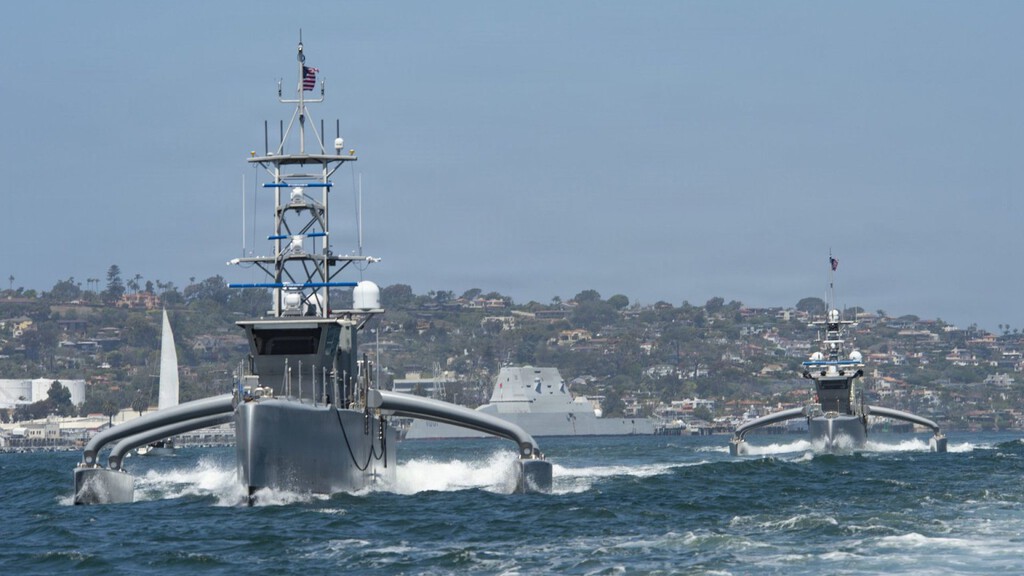
This isn't the first time the military has sparked revolutionary tech. DARPA, the Defense Advanced Research Projects Agency, birthed the internet's precursor in 1969. The first message sent over ARPANET was meant to be “LOGIN,” but the system crashed after just “LO.” That failure launched a revolution. Now the Navy seems to be trying a similar play: let the market do its thing and reserve true innovation for what only war requires.
What Rachel Riley's Directive Actually Means
Riley's message is direct: stop copying. That is the core of the doctrinal shift. The Office of Naval Research must stop acting like a parallel lab that often mirrors private-sector work. Instead, it should cut bureaucracy and redirect resources toward unique military challenges.
The implications are significant. First, it could free up budget for high-risk, high-reward projects that industry ignores. Second, it reduces waste from duplicating efforts. Third, it encourages the Navy to be a smarter customer, buying commercial tech when it exists rather than building its own.
But the shift also raises questions. Can the military move fast enough to adopt commercial tech? Will cutting internal R&D leave gaps in areas where industry sees no profit? And how does the Navy ensure it stays ahead of adversaries who may not separate military and commercial innovation so cleanly?
Key Takeaways from the Navy's New Innovation Doctrine
- Stop duplicating industry: If private capital can fund it, the Navy should not spend public money on the same R&D.
- Focus on unique military needs: Reserve research for technologies that have no clear commercial market but are critical for defense.
- Cut bureaucracy: Streamline processes to speed up innovation and reduce overhead.
- Buy commercial when possible: Adopt existing industry solutions rather than building parallel systems.
- Learn from history: DARPA's early internet shows how military research can create world-changing tech, but only when it targets the right problems.
How the Navy's R&D Budget Could Shift
The new approach will likely reshape spending priorities. Below is a simplified comparison of how the Navy's research focus may change under Riley's directive.
| Area | Old Approach | New Approach |
|---|---|---|
| Commercial tech (e.g., software, drones) | Often developed in-house or via parallel programs | Procure from private sector; avoid duplication |
| Unique military tech (e.g., stealth, secure comms) | Sometimes underfunded due to bureaucracy | Prioritized and streamlined for faster delivery |
| Basic research | Broad and sometimes redundant | Focused on gaps industry won't fill |
| Partnerships with industry | Limited and slow | Expanded and accelerated |
This table illustrates the intended shift from a parallel innovator to a strategic customer and gap-filler. The Navy aims to be more agile and cost-effective.
Who This Affects: Contractors, Startups, and Taxpayers
Defense contractors that have relied on Navy R&D contracts may see fewer opportunities in areas where commercial tech exists. Startups and commercial firms, however, could benefit as the Navy buys more off-the-shelf solutions. Taxpayers should see less waste from duplicated efforts.
But there are risks. If the Navy pulls back too far, it might lose internal expertise needed to evaluate and integrate commercial tech. It also might miss emerging technologies that have dual-use potential but no immediate commercial market. The balance is delicate. Context on how this played out before sits in US Navy Research Chief Warns: Stop Copying Private Industry Innovation.
Riley's directive is not about abandoning innovation but about being smarter. By letting industry handle what it does best, the Navy can focus on its core mission: maintaining a technological edge in warfare. The background to this story is set out in Trending: latest articles. A related thread runs through Ukraine Deploys Robot Tanks with Machine Guns to Replace Soldiers.
What to Watch Next
Look for concrete changes in Naval Research Office budgets and project portfolios. Will they cancel or scale back programs that overlap with industry? How quickly can they adopt commercial tech? Also watch for new partnership models with private companies and streamlined contracting processes. Earlier coverage in Japan's Military Shift: Vietnam Partnership for Defense Tech shows how the argument developed. A closer look at the same subject appears in South Korea's KF-21 Fighter Nears Operational Service Milestone.
The success of this shift will depend on execution. Bureaucracy is hard to cut, and cultural change in the military is slow. But if Riley's message takes hold, it could mark a new era of leaner, more focused defense innovation. Anyone following the wider picture can start with Russia's Iran Missile Launcher Deal: 90 LMUR Systems Revealed. The same theme surfaces in Michelin Airless Tires: Puncture-Proof Tweel Technology Explained, which takes a different angle.
FAQ
What did Rachel Riley say about Navy research?
Rachel Riley, chief of naval research, said the Navy should stop copying what private industry is already developing. She argued that if a technology has commercial potential, private capital will fund it, so the military should focus on unique war-fighting needs.
Why is the Navy changing its innovation strategy?
The Navy's innovation system had become too slow, heavy, and redundant. By avoiding duplication and cutting bureaucracy, the Navy aims to speed up innovation and save money while still maintaining a technological edge.
How does this affect defense contractors?
Contractors may see fewer R&D contracts in areas where commercial tech exists. However, opportunities will remain in unique military technologies and in supplying commercial solutions to the Navy.
What is the historical precedent for this shift?
DARPA's creation of the internet's precursor in 1969 shows how military research can spark revolutionary change. The Navy now wants to emulate that by focusing on disruptive tech that only government can fund.
Browse the Shop
 Acacia frida deluxe solid wood bed frame |
Bedroom bench |
Bed chest drawers |
Lingerie dresser |
Frame base |
Mirror with jewelry storage |
30 Bathroom Vanity |
Memory foam queen mattress |
Mattresses for back pain |
Nightstand set of 2 |
Grand Goldman Shop |
Civil Lawyer
Deutschland Trikot WM 2026







