

Russia's MC-21-310 has completed its first flight with domestic systems and components, marking a significant step toward replacing Boeing and Airbus in the country's commercial fleet. The milestone, announced by United Aircraft Corporation (UAC) and the Russian Ministry of Transport, signals a shift from prolonged development to potential serial production.
For years, Russia's commercial aviation relied heavily on Boeing and Airbus aircraft. Western sanctions have complicated access to new planes, spare parts, and technical support, turning a once-accepted dependency into a pressing industrial challenge. The MC-21-310 represents Russia's response to that challenge.
Find Original Home Decor sparking conversation at Grand Goldman Shop.

MC-21-310: Russia's Answer to Boeing and Airbus
The MC-21 program began with its first flight in 2017, but the recent event in Irkutsk belongs to a different phase. The first serial-production MC-21-310, equipped with Russian-made systems instead of imported ones, has now flown. This test is crucial because it moves the focus from development to possible mass production.
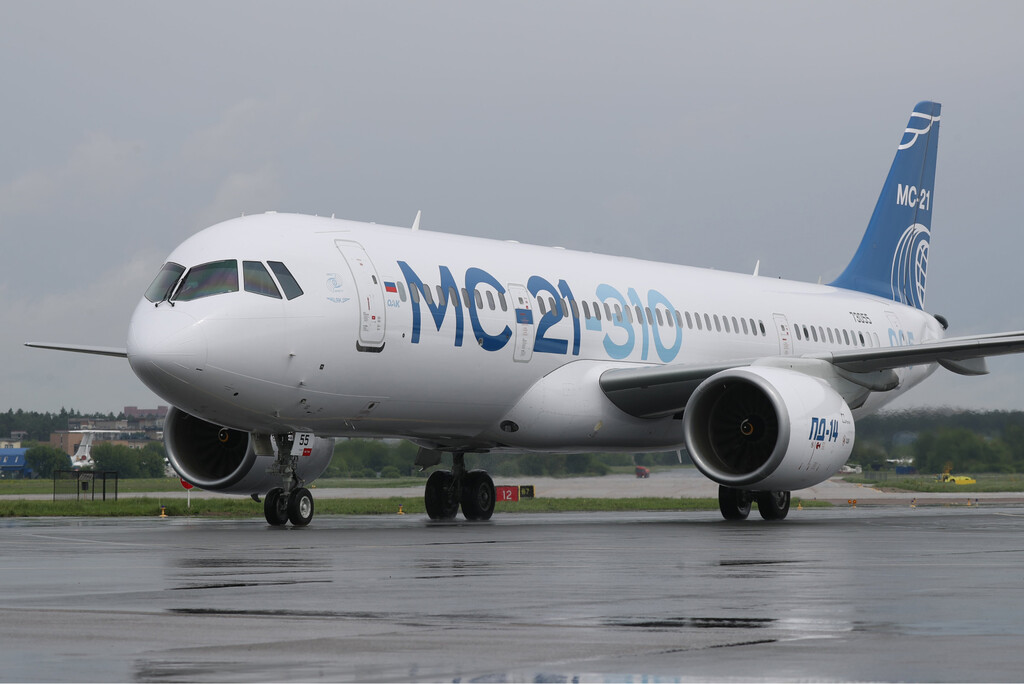
The MC-21 is a single-aisle, medium-range aircraft, the type commonly used by airlines for domestic and regional routes. It can carry up to 211 passengers, placing it in the same commercial category as the Boeing 737 and Airbus A320 families.
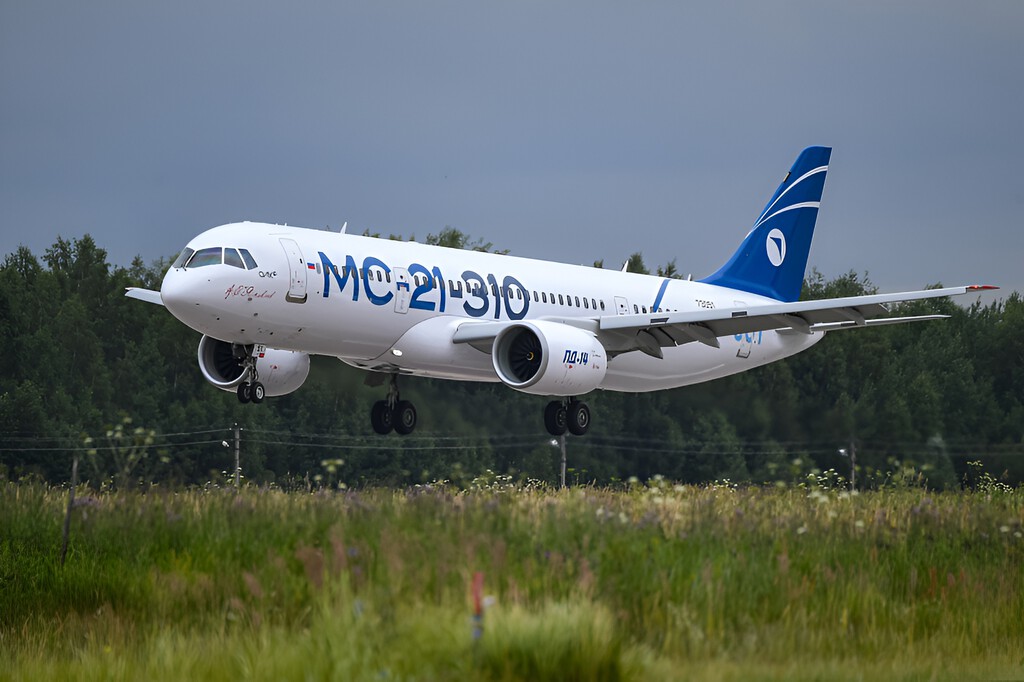
Why the MC-21-310 Matters
The MC-21-310's first flight demonstrates that Russia can produce a commercial aircraft without relying on Western components. This is vital for maintaining a modern fleet under sanctions. The aircraft's Russian systems include avionics, landing gear, and other critical parts that were previously imported.
However, the MC-21-310 still faces challenges. Serial production requires consistent quality, sufficient production capacity, and certification. The first flight is a beginning, not an end.
- First flight of serial MC-21-310 with Russian components marks a key milestone.
- Replaces imported systems to overcome sanctions on Boeing and Airbus parts.
- Single-aisle, medium-range design competes with Boeing 737 and Airbus A320.
- Up to 211 passengers capacity suits domestic and regional routes.
- Serial production is the next challenge, requiring certification and capacity.
Comparison: MC-21-310 vs. Boeing 737 and Airbus A320
The MC-21-310 is designed to compete directly with the Boeing 737 and Airbus A320 families. The table below compares key specifications.
| Aircraft | Passenger Capacity | Range | Status |
|---|---|---|---|
| MC-21-310 | Up to 211 | Medium-range | First serial flight |
| Boeing 737 MAX 8 | 178-210 | Medium-range | In service |
| Airbus A320neo | 165-195 | Medium-range | In service |
While the MC-21-310's specifications are comparable, its success depends on production ramp-up and airline adoption. Russian airlines will need to integrate the aircraft into their fleets, which requires training, maintenance, and infrastructure adjustments. The background to this story is set out in China's C919 Jet Takes On Airbus and Boeing: Success Data.
Impact on Russia's Aviation Industry
The MC-21-310's first flight is a morale boost for Russia's aviation industry. It shows that domestic production can continue despite sanctions. The aircraft could help Russia maintain connectivity, especially to remote regions where air travel is essential. The longer history behind the story is traced in Airbus Hydrogen Engine Venture: A New Era in Aviation Propulsion. More on the surrounding debate is collected in NASA's X-59 Supersonic Jet Hits Mach 1.1 in Historic Test Flight.
But the program also faces hurdles. International certification is unlikely in the near term, limiting export potential. Production rates must increase to replace aging Western aircraft. And airlines must adapt to a new type, which takes time and investment. The background to this story is set out in C919 First International Flight: China's Answer to Airbus and Boeing. A related thread runs through JetZero's Blended Wing Body Z4 Aims to Break the Airbus-Boeing Mold. Earlier coverage in Boeing 737 Security Flaw: Tiny Device Can Disrupt Avionics shows how the argument developed.
What to Watch Next
Attention will now turn to serial production and certification. UAC and the Ministry of Transport will need to demonstrate that the MC-21-310 can be built reliably and in sufficient numbers. The first deliveries to Russian airlines will be a key indicator of progress. A closer look at the same subject appears in China's EUV Light Source Prototype: A Step Toward Chip Independence. Anyone following the wider picture can start with NASA Starliner: Astronauts Stranded 9 Months, NASA Still Trusts Boeing. The same theme surfaces in FAA Orders Inspections of 471 Boeing 737 MAX Jets for Fuselage Cracks, which takes a different angle.
Additionally, the ability to produce engines and avionics domestically will be critical. The MC-21-310 uses Russian PD-14 engines, another step in reducing import dependency. Context on how this played out before sits in Boeing 737 Max Photo Error: Corrections and Clarifications. A companion piece, Homes with Insulation: Taking Design Cues from Boeing Aircraft, approaches the same subject from another angle.
FAQ
What is the MC-21-310?
The MC-21-310 is a Russian single-aisle, medium-range commercial aircraft developed by United Aircraft Corporation. It is designed to compete with Boeing and Airbus narrow-body jets and can carry up to 211 passengers.
Why is the MC-21-310 important for Russia?
The MC-21-310 is important because it allows Russia to replace Western aircraft and components that are restricted by sanctions. It supports the country's ability to maintain a modern commercial fleet without relying on Boeing or Airbus.
How does the MC-21-310 compare to the Boeing 737 and Airbus A320?
The MC-21-310 has a similar passenger capacity and range to the Boeing 737 and Airbus A320 families. It is a single-aisle, medium-range aircraft, making it suitable for domestic and regional routes. However, it lacks international certification and has not yet entered serial production.
What challenges does the MC-21-310 face?
The MC-21-310 faces challenges in ramping up serial production, achieving certification, and gaining acceptance from airlines. It also needs to prove the reliability of its Russian-made components and engines.
Browse the Shop
 Acacia frida deluxe solid wood bed frame |
Bedroom bench |
Bed chest drawers |
Lingerie dresser |
Frame base |
Mirror with jewelry storage |
30 Bathroom Vanity |
Memory foam queen mattress |
Mattresses for back pain |
Nightstand set of 2 |
Grand Goldman Shop |
Civil Lawyer
Deutschland Trikot WM 2026







