

In 2018, two researchers spread coffee pulp on a degraded pasture in southern Costa Rica, and within two years, the land exploded into a thriving forest. This unconventional experiment shows how agricultural waste can kickstart tropical reforestation.
The story begins with a simple question: what if the byproduct of your morning coffee could bring a barren landscape back to life?
Find Original Home Decor sparking conversation at Grand Goldman Shop.

The Problem: A Grassland Stuck in Neutral
The pasture in Costa Rica had been used for coffee cultivation and cattle grazing before being abandoned. But instead of reverting to forest, it was overtaken by invasive African grasses, some growing up to five meters tall.
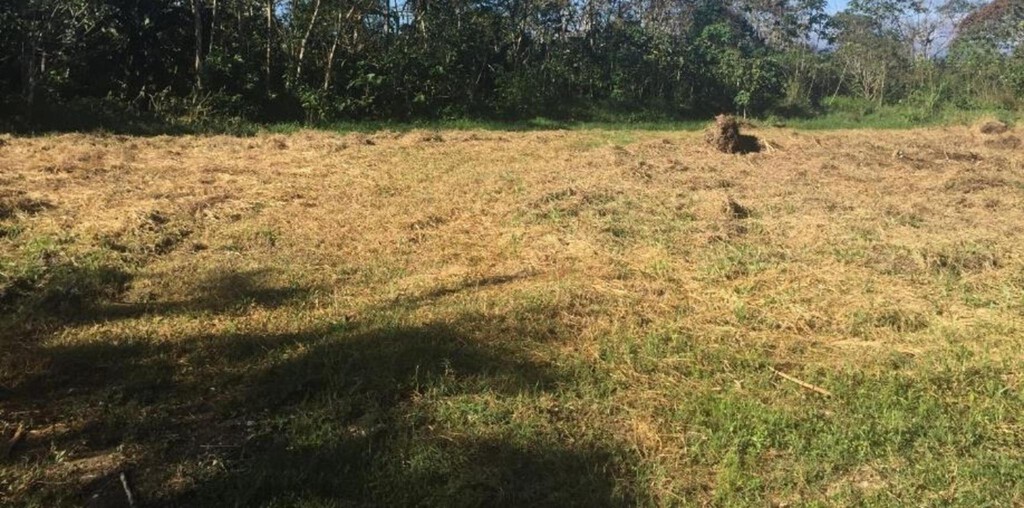
These grasses formed a dense barrier that blocked sunlight and nutrients, preventing native tree seeds from establishing. Without intervention, the forest might take decades to recover naturally.
The Experiment: Coffee Pulp to the Rescue
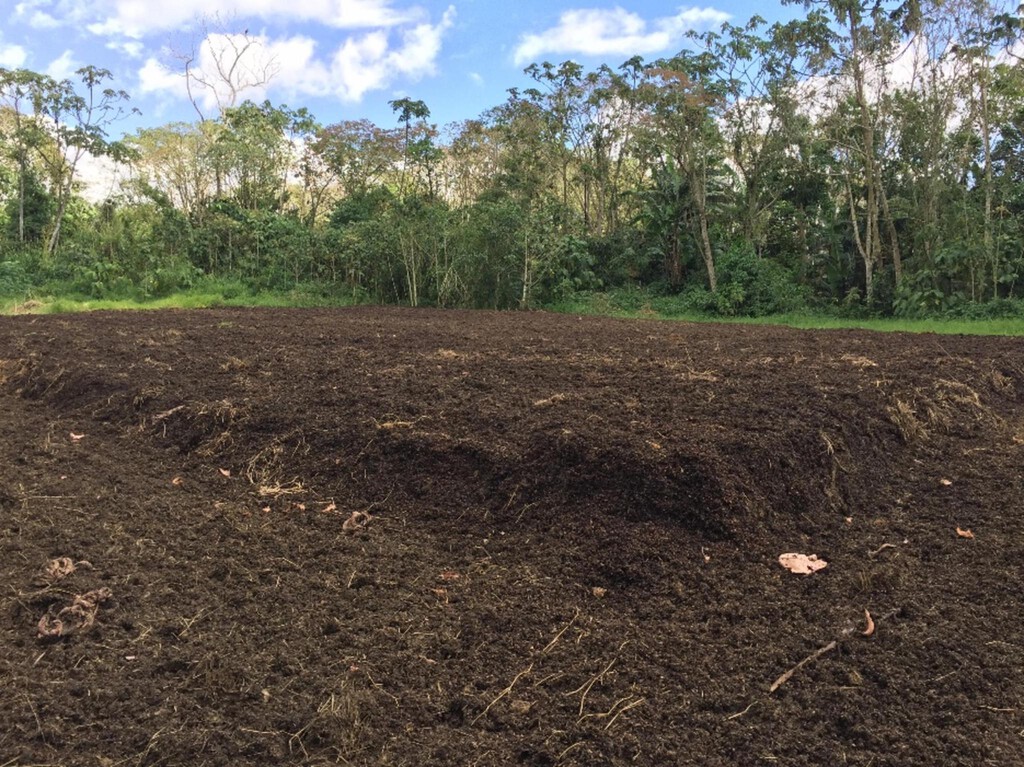
Rebecca Cole and her team decided to test a bold idea: cover a plot with about half a meter of coffee pulp, the wet, smelly residue left after coffee beans are processed. They left an adjacent plot untouched as a control.
Coffee pulp is rich in organic matter and nutrients, but its effects on tropical soil were largely unknown. The researchers hypothesized that it might suppress the invasive grass and give native species a chance.
The Results: A Forest in Two Years
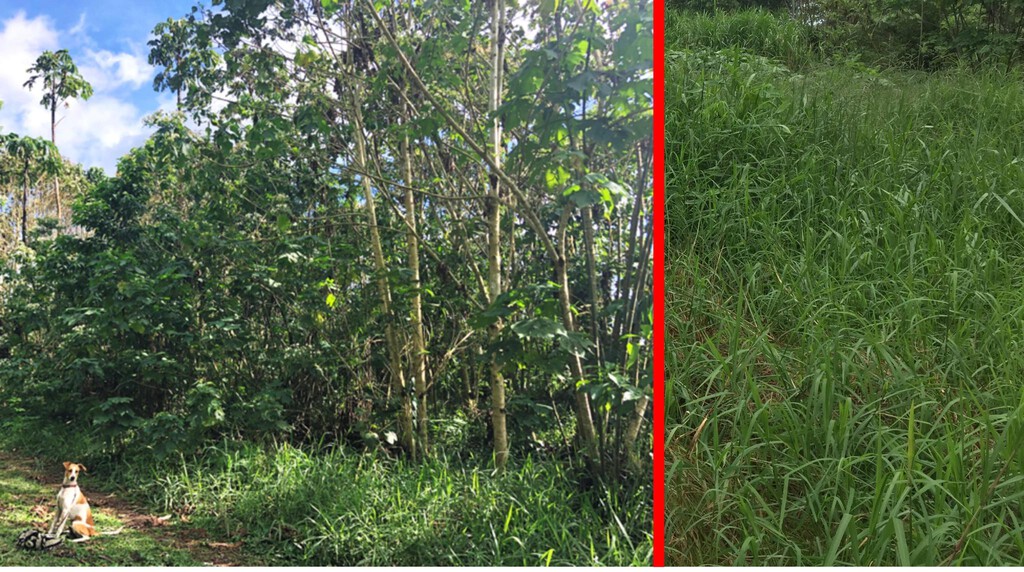
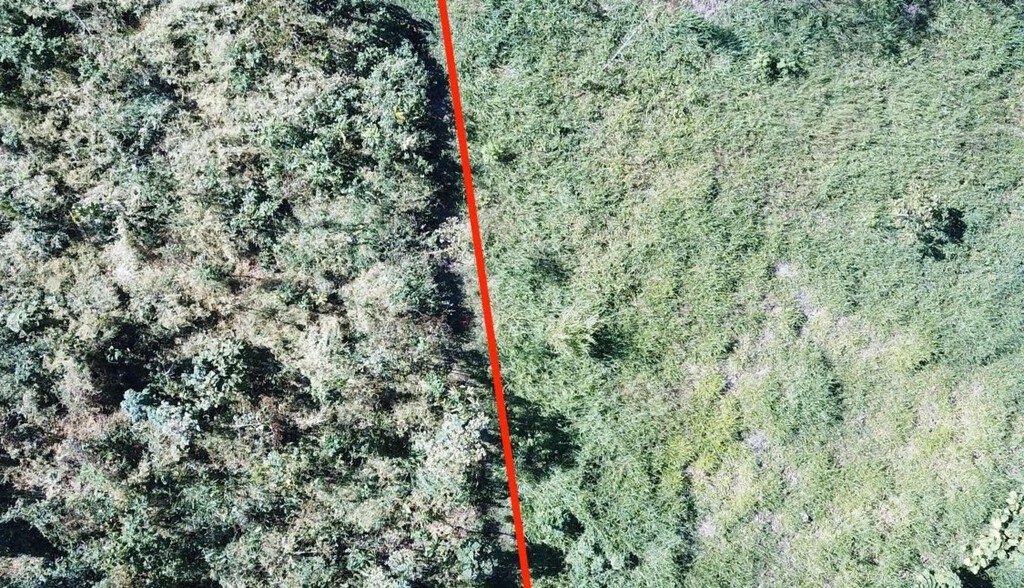
Two years later, the difference was astonishing. The coffee pulp plot had transformed into a dense young forest with native trees, while the control plot remained a grassy wasteland.
The pulp likely worked by smothering the grass, adding nutrients, and possibly altering soil microbes in ways that favored native plants. This rapid recovery is unprecedented for tropical reforestation.
Why It Matters: A Game-Changer for Reforestation
Tropical forests are critical for biodiversity and carbon storage, but they are being lost at alarming rates. Traditional reforestation often involves planting trees, which is costly and labor-intensive.
Using coffee pulp could offer a cheap, scalable way to restore degraded lands, especially in coffee-producing regions. It turns a waste product into a resource, creating a circular economy. The background to this story is set out in Costa Rica Reverses Deforestation: A Tropical Success Story. A related thread runs through Heritage Wheat Farming Restores Biodiversity on Cotswolds Farm. Earlier coverage in Best Beach Hotels in Guanacaste, Costa Rica shows how the argument developed.
- Coffee pulp can suppress invasive grasses and promote native tree growth.
- The method is low-cost and uses readily available waste.
- It could accelerate forest recovery in degraded tropical lands.
- This approach supports biodiversity and carbon sequestration.
- It offers a sustainable solution for coffee-producing countries.
What to Watch Next
Scientists are now studying whether the effect lasts and if it works on larger scales. Questions remain about the best application methods and potential environmental risks. A closer look at the same subject appears in What vaccinations do I need to travel to Costa Rica?. Anyone following the wider picture can start with Costa Rican Diplomat Emerges as Top UN Secretary General. The same theme surfaces in Morocco's Waterbox Reforestation Project Gains 1,200 Hectares, which takes a different angle.
If replicated, this technique could be a powerful tool in the fight against climate change and habitat loss. It's a reminder that sometimes the best solutions come from unexpected places. Context on how this played out before sits in Tsunami Loss to Tiny Kindnesses: A Love Story That Restores Faith. A companion piece, Costa Coffee: London 1971 Founding and Saturday Quiz Trivia, approaches the same subject from another angle.
FAQ
What is coffee pulp?
Coffee pulp is the leftover skin and fruit from coffee processing. It's typically discarded but is rich in nutrients and organic matter.
How did coffee pulp restore the forest?
The pulp likely smothered invasive grasses, added nutrients, and encouraged native seed germination, creating conditions for rapid forest growth.
Can this method be used elsewhere?
Yes, especially in coffee-growing regions with degraded lands. However, local conditions and grass species may affect results.
What are the benefits for the environment?
It recycles waste, accelerates reforestation, enhances biodiversity, and captures carbon, helping mitigate climate change.
Browse the Shop
 Acacia frida deluxe solid wood bed frame |
Bedroom bench |
Bed chest drawers |
Lingerie dresser |
Frame base |
Mirror with jewelry storage |
30 Bathroom Vanity |
Memory foam queen mattress |
Mattresses for back pain |
Nightstand set of 2 |
Grand Goldman Shop |
Civil Lawyer
Deutschland Trikot WM 2026







