

The planned reintroduction of the monk seal in Catalonia has ignited a fierce debate between conservationists and the fishing industry. After more than 50 years of absence, the regional government aims to bring back the Mediterranean monk seal (Monachus monachus) to the Costa Brava, but local municipalities and fishermen are worried about the potential impact on their livelihoods.
The initiative, led by the Generalitat, seeks to restore a species that once thrived along these shores. However, the seal's voracious appetite—reportedly up to 30 kilograms of fish per day per adult—has raised alarms among those who depend on the sea for their income.
Find Original Home Decor sparking conversation at Grand Goldman Shop.

Why the Monk Seal Disappeared from Catalonia
The Mediterranean monk seal was once a common sight along the Catalan coast. Over the 20th century, its population plummeted due to a combination of human activities. Hunting, accidental captures in fishing gear, and direct persecution by fishermen drove the species to local extinction.
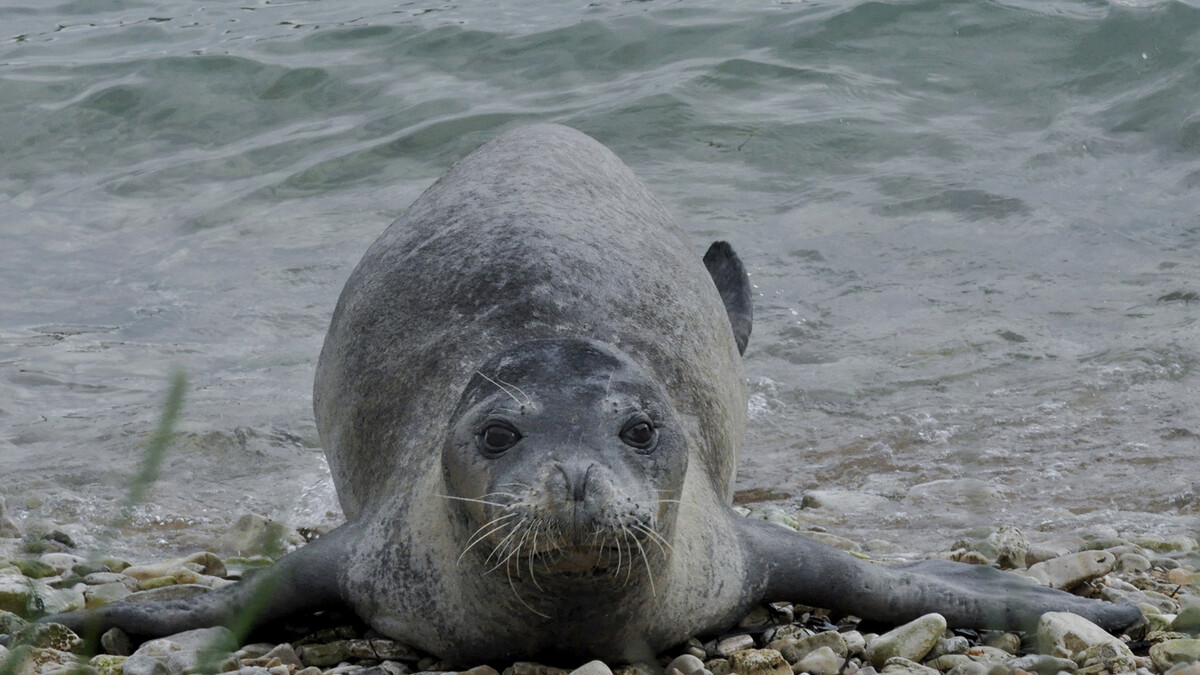
Coastal development and the transformation of the shoreline also destroyed vital habitats for resting and breeding. The last documented sighting in Catalonia occurred in 1973 near the Cap de Creus, between Roses and Cadaqués. Since then, the species has been absent from Catalan waters, though small populations survive in other parts of the Mediterranean and the Atlantic.
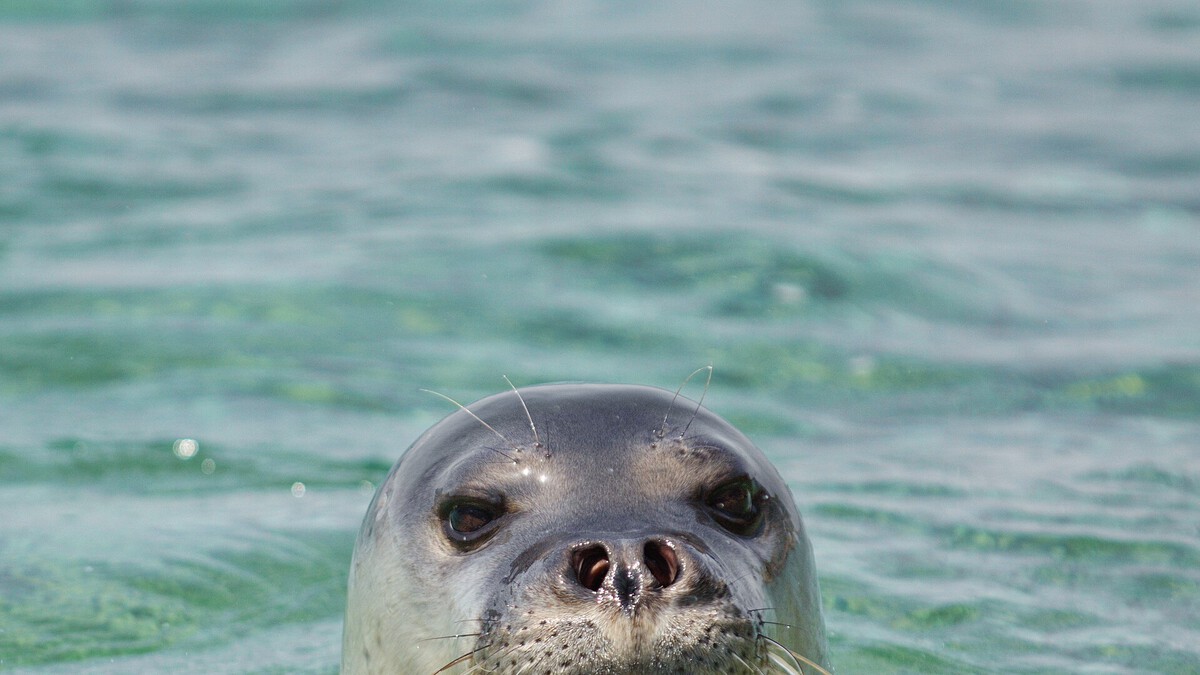
The Reintroduction Plan: Bringing Seals from Africa
The current proposal involves translocating monk seals from Africa, where some populations are more stable, to selected sites in Catalonia. The Cap de Creus and the Balearic island of Cabrera are among the primary locations under consideration. The project is spearheaded by Jordi Sargatal, Secretary for Ecological Transition, who has championed the seal's return for over two decades.
Sargatal aims to reactivate the project by 2027, with the goal of establishing a viable population that can contribute to the species' recovery and restore ecological balance. The plan promises to enhance biodiversity and serve as a symbol of successful marine conservation.
Fishing Industry Concerns: The 30-Kilogram Appetite
Despite the ecological benefits, the reintroduction has met resistance from local fishing communities. According to fishermen and local authorities, each adult monk seal can consume up to 30 kilograms of fish per day. This figure has fueled fears of increased competition for dwindling fish stocks and potential damage to fishing gear.
Two municipalities have already voiced their opposition, stating they will not bear the consequences of the reintroduction. Their concerns are not unfounded: monk seals are known to raid fishing nets and lines, causing economic losses. In other regions where seals and fisheries coexist, conflicts have arisen, leading to calls for compensation or mitigation measures.
Balancing Conservation and Livelihoods
The debate highlights the classic tension between conservation goals and local economic interests. Proponents argue that the seal's return is a moral imperative and a sign of ecosystem health. They point to the potential for eco-tourism and the intrinsic value of restoring a native species.
Critics, however, demand concrete solutions to prevent economic harm. They call for compensation schemes for damaged gear, support for alternative livelihoods, and rigorous monitoring to ensure that seal predation does not jeopardize the sustainability of local fisheries. Without such measures, the conflict is likely to intensify. The background to this story is set out in Catalonia's Political Shift: Puigdemont's Return Impact. A related thread runs through Energy Utilities: latest articles. Earlier coverage in UK Sees Unprecedented Octopus Invasion: 12,000 Tons Caught shows how the argument developed.
What's Next for the Monk Seal Project?
The project is still in its early stages, and no seals have been released yet. The Generalitat is expected to conduct further studies and consultations with stakeholders. The involvement of local communities will be crucial for the project's success. A closer look at the same subject appears in Octopus Decline in Galicia: Why Spain's Fishing Industry Isn't Worried. Anyone following the wider picture can start with Mediterranean Storms: What Tarragona and Pomas Reveal About Extreme Weather. The same theme surfaces in The Odyssey Box Office Success Exposes a Two-Tier Movie Industry, which takes a different angle.
If approved, the reintroduction would mark a significant milestone in Mediterranean conservation. However, its outcome will depend on how well the authorities address the legitimate concerns of the fishing industry. A collaborative approach that integrates scientific research, stakeholder engagement, and adaptive management will be essential. Context on how this played out before sits in Anthropic IPO Filing: 94 Pages of Risks Explained. A companion piece, Monk Seal Reintroduction in Catalonia Sparks Fishing Industry Fears, approaches the same subject from another angle.
FAQ
Why is Catalonia reintroducing the monk seal?
Catalonia aims to restore the Mediterranean monk seal, a species that disappeared from its coasts over 50 years ago, to recover ecological balance and biodiversity. The project is led by the Generalitat and conservationists who see it as a way to right a historical wrong.
How much fish does a monk seal eat per day?
According to fishermen and local authorities, an adult monk seal can consume up to 30 kilograms of fish per day. This high consumption rate is a major source of concern for the fishing industry.
Which areas are considered for the reintroduction?
The Cap de Creus in Catalonia and the Balearic island of Cabrera are among the main sites under consideration. These areas offer suitable habitat and are part of the species' historical range.
What do opponents say about the plan?
Opponents, including two municipalities and local fishermen, fear that the seals will compete for fish, damage gear, and threaten their livelihoods. They demand compensation and mitigation measures before any release.
Browse the Shop
 Acacia frida deluxe solid wood bed frame |
Bedroom bench |
Bed chest drawers |
Lingerie dresser |
Frame base |
Mirror with jewelry storage |
30 Bathroom Vanity |
Memory foam queen mattress |
Mattresses for back pain |
Nightstand set of 2 |
Grand Goldman Shop |
Civil Lawyer
Deutschland Trikot WM 2026







