

The China-Mongolia rail link is a 20-kilometer cross-border railway project that aims to connect Mongolia's vast mineral deposits to China's industrial heartland. Despite its short length, the link is a monumental engineering challenge, taking 22 months to complete through the harsh Gobi Desert.
For over a decade, China and Mongolia have sought to solve one of Asia's most costly logistics problems: transporting coal and metals from Mongolian mines to Chinese steel plants without relying on endless truck convoys. The solution is a railway corridor between the Tavan Tolgoi mines and the Chinese network, capable of carrying up to 50 million tons of cargo, as stated by the Mongolian president.
Find Original Home Decor sparking conversation at Grand Goldman Shop.

Background of the China-Mongolia Rail Link
The project has been on the table since 2012, but delays and stoppages have plagued its progress. The first phase was finally completed, and in 2025, the second phase began: a 19.5-kilometer cross-border link at the Gashuunsukhait-Gantsmod pass, with completion expected in 2027. The fact that China can remodel a train station overnight but takes 22 months to build less than 20 kilometers underscores the technical and topographical challenges involved.
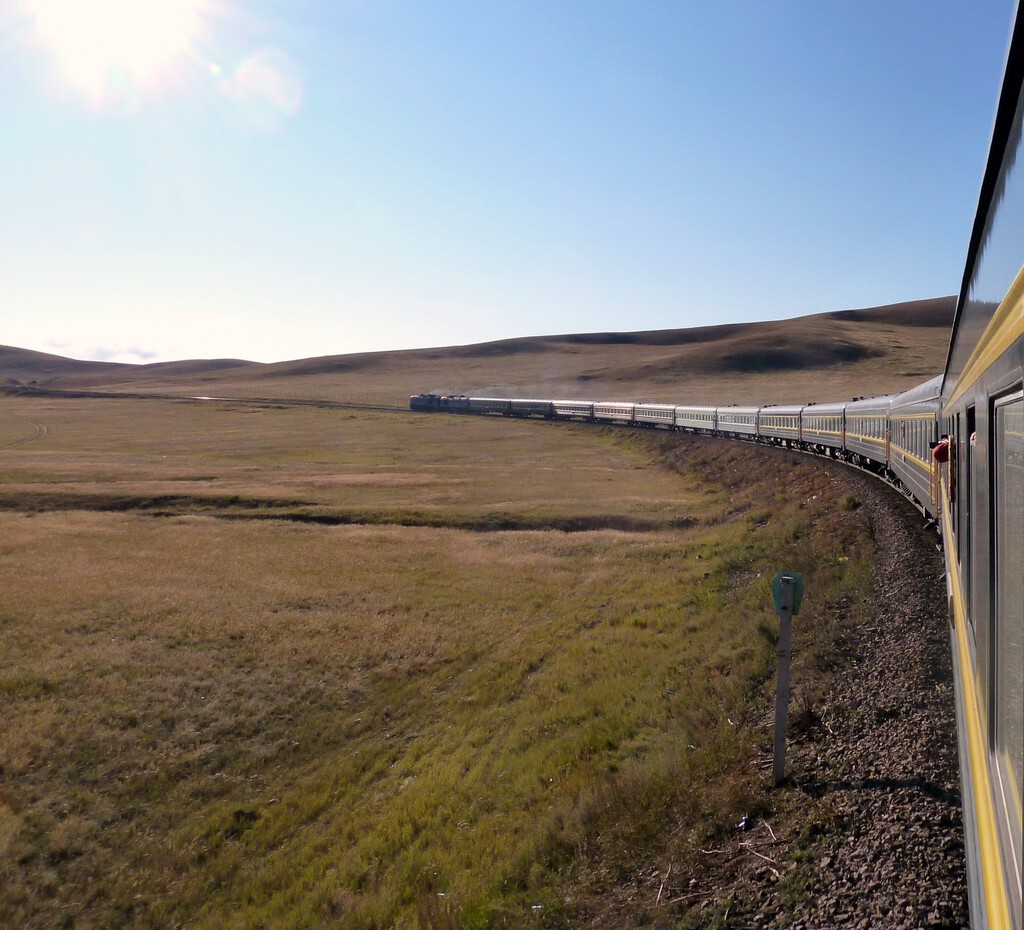
Mongolia possesses some of the world's largest coal and copper reserves. The Tavan Tolgoi deposit is one of the largest unexploited coking coal reserves on the planet, with an estimated 6.4 billion tons. Mongolia is also rich in copper and gold at Oyu Tolgoi, with projected production of 500,000 tons of copper per year by 2030. However, Mongolia is landlocked, and China is historically its main export market.
Why the Rail Link Matters
The China-Mongolia rail link is critical for both countries. For Mongolia, it provides a reliable and efficient route to export its mineral wealth, reducing dependence on trucks that are slow, costly, and environmentally damaging. For China, it secures a steady supply of coking coal and copper, essential for its steel and manufacturing industries.
The rail link is expected to significantly lower transportation costs and increase trade volume. It also aligns with China's Belt and Road Initiative, which aims to enhance connectivity across Asia and beyond.
Engineering Challenges in the Gobi Desert
Building a railway through the Gobi Desert is no small feat. The region is characterized by extreme temperatures, shifting sand dunes, and rugged terrain. Engineers must contend with:
- Harsh climate: Temperatures can soar above 40°C in summer and plummet below -40°C in winter.
- Sandstorms: Frequent sandstorms can bury tracks and damage equipment.
- Remote location: Lack of infrastructure and skilled labor in the area.
- Cross-border coordination: Harmonizing technical standards and customs procedures between two countries.
- Environmental impact: Minimizing disruption to the fragile desert ecosystem.
These factors contribute to the lengthy construction timeline, despite the short distance.
Key Facts and Figures
| Parameter | Detail |
|---|---|
| Length of cross-border link | 19.5 km |
| Construction time | 22 months (expected completion 2027) |
| Capacity | Up to 50 million tons per year |
| Main cargo | Coal, copper, metals |
| Key deposits | Tavan Tolgoi (coal), Oyu Tolgoi (copper, gold) |
| Project start | First phase completed; second phase began 2025 |
Economic and Geopolitical Implications
The rail link strengthens economic ties between China and Mongolia. It allows Mongolia to diversify its export routes and reduce reliance on trucking, which is vulnerable to weather and border delays. For China, it ensures a stable supply of raw materials, supporting its industrial growth. The background to this story is set out in China's C919 Jet Takes First International Flight to Mongolia. A related thread runs through RFL Seeks £50m NRL Loan in Project Magic Overhaul. Earlier coverage in Science: latest articles shows how the argument developed.
Geopolitically, the project enhances China's influence in the region and integrates Mongolia further into its economic sphere. It also serves as a model for other cross-border infrastructure projects under the Belt and Road Initiative. A closer look at the same subject appears in China Builds Record-Breaking Undersea High-Speed Rail Tunnel. Anyone following the wider picture can start with China Mass-Produces T1200 Carbon Fiber: Strongest Material. The same theme surfaces in World's Longest Escalator Opens in China's Mountain City Wushan, which takes a different angle.
What to Watch Next
As construction progresses, several factors will determine the project's success:
- Timely completion: Meeting the 2027 deadline is crucial to avoid further delays.
- Cost management: Keeping the project within budget amid economic uncertainties.
- Environmental mitigation: Implementing measures to protect the desert ecosystem.
- Operational efficiency: Ensuring smooth customs and logistics operations at the border.
Stakeholders should monitor these aspects to gauge the project's long-term impact on regional trade and development. Context on how this played out before sits in China's Linghang Tunnel Boring Machine Completes Yangtze River Crossing. A companion piece, China-Mongolia Rail Link: 20 km, 22 Months, 50M Tons, approaches the same subject from another angle.
FAQ
What is the China-Mongolia rail link?
The China-Mongolia rail link is a 19.5-kilometer cross-border railway connecting the Gashuunsukhait-Gantsmod pass between Mongolia and China. It is designed to transport up to 50 million tons of coal and metals annually.
Why is it taking 22 months to build such a short railway?
The construction faces extreme desert conditions, including temperature fluctuations, sandstorms, and remote terrain. Cross-border coordination and environmental considerations also contribute to the timeline.
What are the main benefits of the rail link?
It reduces transportation costs, increases export capacity for Mongolia, and secures raw material supplies for China. It also strengthens economic ties and supports the Belt and Road Initiative.
When will the rail link be completed?
The second phase, including the cross-border link, is expected to be completed by 2027.
Browse the Shop
 Acacia frida deluxe solid wood bed frame |
Bedroom bench |
Bed chest drawers |
Lingerie dresser |
Frame base |
Mirror with jewelry storage |
30 Bathroom Vanity |
Memory foam queen mattress |
Mattresses for back pain |
Nightstand set of 2 |
Grand Goldman Shop |
Civil Lawyer
Deutschland Trikot WM 2026







