

China has achieved a new milestone in undersea tunnel construction for high-speed rail, reaching a depth of 113 meters below the seabed. The excavation is part of the Shenzhen-Jiangmen high-speed rail line, a 116-kilometer project designed to connect the two cities in under an hour. This record-breaking depth highlights the technical challenges and engineering prowess involved in building infrastructure beneath the Pearl River Estuary.
What Is the Shenzhen-Jiangmen High-Speed Rail Project?
The Shenzhen-Jiangmen high-speed rail line is a key infrastructure project in southern China, aimed at integrating the region's coastal railway corridor. Once completed, it will reduce travel time between Shenzhen and Jiangmen to less than an hour, significantly boosting connectivity and economic integration. The project is part of China's broader efforts to expand its high-speed rail network, which is already the largest in the world.
Find Original Home Decor sparking conversation at Grand Goldman Shop.

Why Is the 113-Meter Depth Significant?
Excavating 113 meters below the seabed presents extreme technical challenges. At this depth, the geological conditions are complex, with high water pressure and unstable soil layers. The tunnel boring machine (TBM) must operate with minimal margin for error to ensure the safety and stability of the structure. This achievement demonstrates China's advanced capabilities in deep-sea engineering and its ability to overcome formidable natural obstacles.
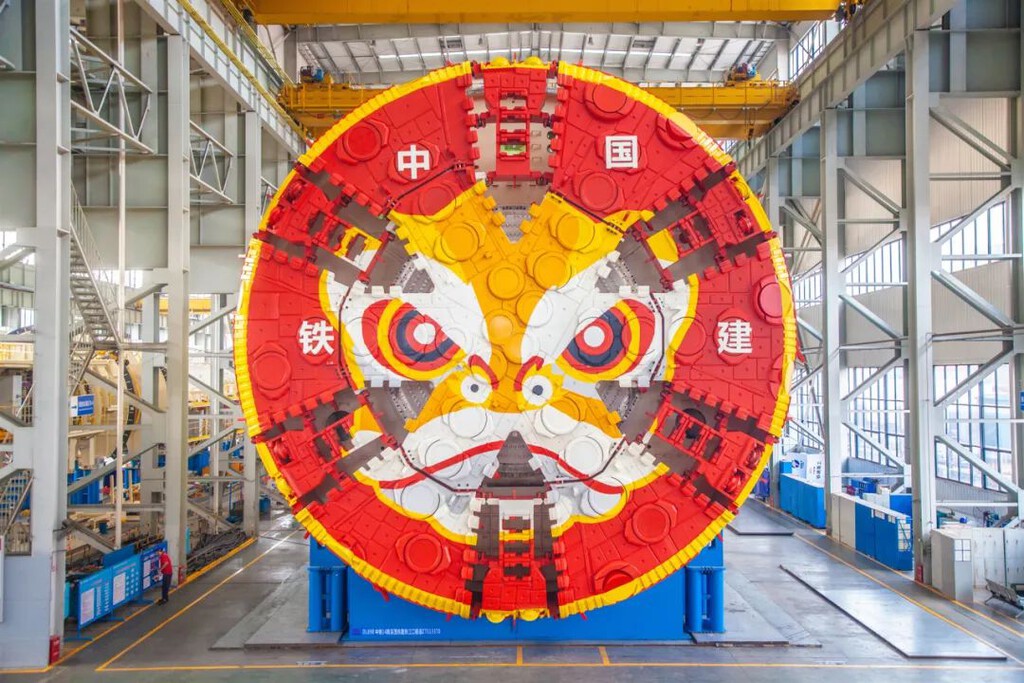
The Role of the Shenjiang-1 Tunnel Boring Machine
Central to this feat is the Shenjiang-1, a large-diameter tunnel boring machine developed domestically in China. This massive machine has maintained continuous excavation, even during holiday periods, showcasing its reliability and efficiency. The Shenjiang-1 is specifically designed to handle the challenging conditions of the Pearl River Estuary, including high pressure and variable soil compositions.
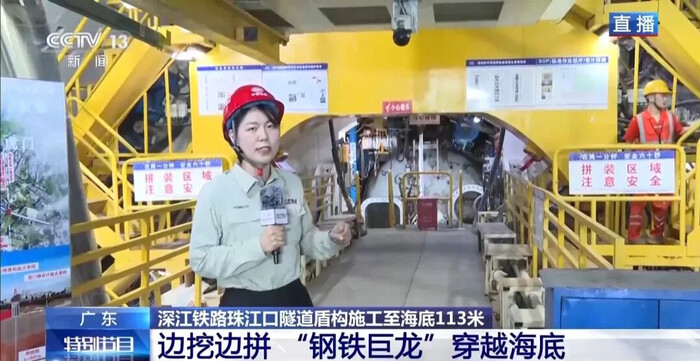
Key Takeaways from the Project
- China has reached a record depth of 113 meters below the seabed in undersea tunnel excavation.
- The tunnel is part of the 116-kilometer Shenzhen-Jiangmen high-speed rail line.
- The project aims to connect Shenzhen and Jiangmen in under an hour, enhancing regional connectivity.
- The Shenjiang-1 tunnel boring machine, developed in China, has been crucial for continuous excavation.
- This milestone underscores China's leadership in complex infrastructure projects.
Comparison of Notable Undersea Tunnels
| Tunnel | Location | Length | Max Depth Below Seabed | Purpose |
|---|---|---|---|---|
| Shenzhen-Jiangmen Undersea Tunnel | Pearl River Estuary, China | Part of 116 km line | 113 meters | High-speed rail |
| Channel Tunnel | English Channel, UK/France | 50.5 km | 75 meters | Rail |
| Seikan Tunnel | Tsugaru Strait, Japan | 53.85 km | 240 meters (below sea level) | Rail |
| Gotthard Base Tunnel | Swiss Alps, Switzerland | 57.1 km | 2,300 meters (below surface) | Rail |
While the Shenzhen-Jiangmen tunnel's depth of 113 meters below the seabed is impressive, it is not the deepest undersea tunnel in the world. The Seikan Tunnel in Japan reaches 240 meters below sea level, and the Channel Tunnel between the UK and France goes as deep as 75 meters below the seabed. However, the Shenzhen-Jiangmen tunnel's depth is notable for a high-speed rail line and demonstrates China's growing expertise in subsea engineering. The background to this story is set out in Alpine Rail Tunnel: France and Italy's Ambitious High-Speed Link. A related thread runs through Spain's Rail Paradox: Overbuilt High-Speed Lines, Underfunded Networks. Earlier coverage in Atocha Rail Control Overload: Inside the High-Speed Crash shows how the argument developed.
What This Means for China's Infrastructure Ambitions
This milestone is another example of China's ambitious infrastructure goals, which include expanding high-speed rail to connect remote regions and boost economic growth. The Shenzhen-Jiangmen line is part of the Guangdong-Hong Kong-Macao Greater Bay Area development plan, which aims to create a world-class economic hub. The successful completion of this tunnel will further solidify China's reputation as a leader in megaprojects. A closer look at the same subject appears in Europe's High-Speed Rail Map: Spain Leads the Network. Anyone following the wider picture can start with Renfe's Rail Paradox: Burgos Demands More High-Speed Trains. The same theme surfaces in California High-Speed Rail CEO Quits Amid Expenses Scandal, which takes a different angle.
Challenges and Risks Ahead
Despite the progress, significant challenges remain. The tunnel must be completed and tested to ensure it can withstand seismic activity and long-term wear. Additionally, the project must manage environmental impacts on the Pearl River Estuary, a vital ecosystem. The coming months will be critical as excavation continues and the project moves closer to completion. Context on how this played out before sits in Spain's High-Speed Rail Maintenance Under Fire From Workers. A companion piece, High-Speed Rail Revolution: Why Britain Lags Behind Global, approaches the same subject from another angle.
FAQ
How deep is the Shenzhen-Jiangmen undersea tunnel?
The tunnel has reached a depth of 113 meters below the seabed, setting a record for undersea high-speed rail tunnels.
What is the Shenjiang-1?
The Shenjiang-1 is a large-diameter tunnel boring machine developed in China, used to excavate the undersea tunnel.
How long will the Shenzhen-Jiangmen high-speed rail line be?
The line is 116 kilometers long and will connect Shenzhen and Jiangmen in under an hour.
Why is this tunnel important?
It is a key part of China's high-speed rail expansion and the Greater Bay Area development, enhancing regional connectivity and economic integration.
Browse the Shop
 Acacia frida deluxe solid wood bed frame |
Bedroom bench |
Bed chest drawers |
Lingerie dresser |
Frame base |
Mirror with jewelry storage |
30 Bathroom Vanity |
Memory foam queen mattress |
Mattresses for back pain |
Nightstand set of 2 |
Grand Goldman Shop |
Civil Lawyer
Deutschland Trikot WM 2026







