

Bruce Lee's real fight with Wong Jack Man in 1964 remains one of the most debated moments in martial arts history. This legendary showdown, often shrouded in mystery, pitted Lee's evolving philosophy against traditional Kung Fu in a private, no-holds-barred match that would shape the future of mixed martial arts.
In the 1960s, the United States saw a surge of martial arts schools open to the public, a stark contrast to just two decades earlier when such practices were confined to Asia. Real fights between practitioners of different styles were rare, unregulated, and often settled in private spaces. It wasn't until the 1990s that competitions like the Ultimate Fighting Championship began to systematize these cross-discipline clashes.
Find Original Home Decor sparking conversation at Grand Goldman Shop.

The Rise of Bruce Lee and the Tension in the Martial Arts Community
By 1964, Bruce Lee had already made a name for himself in California's martial arts scene, but his reputation was far from uncontroversial. Young, brilliant, and provocative, Lee challenged the traditional forms that dominated many Kung Fu schools. He believed that much of what was taught was aesthetically pleasing but impractical for real combat.
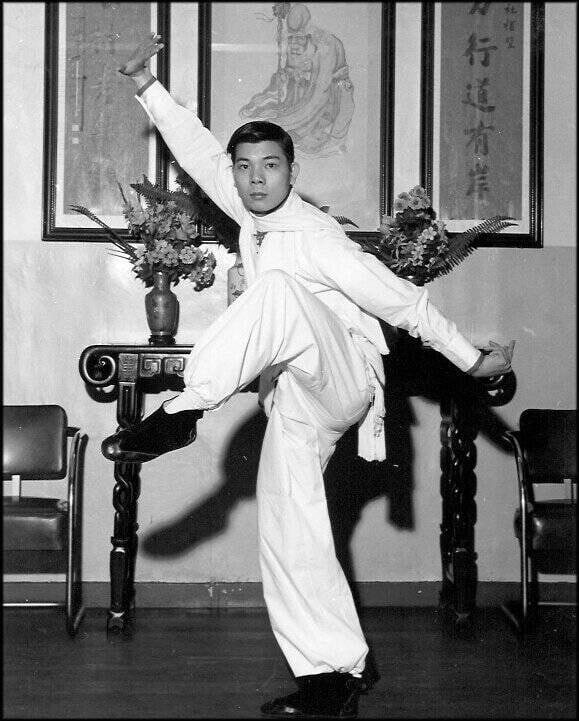
Lee's outspoken nature and his willingness to teach anyone, regardless of race or background, drew criticism from the Chinese martial arts community. His approach threatened the insular traditions that had been preserved for generations. This tension set the stage for a confrontation that would become the stuff of legend.
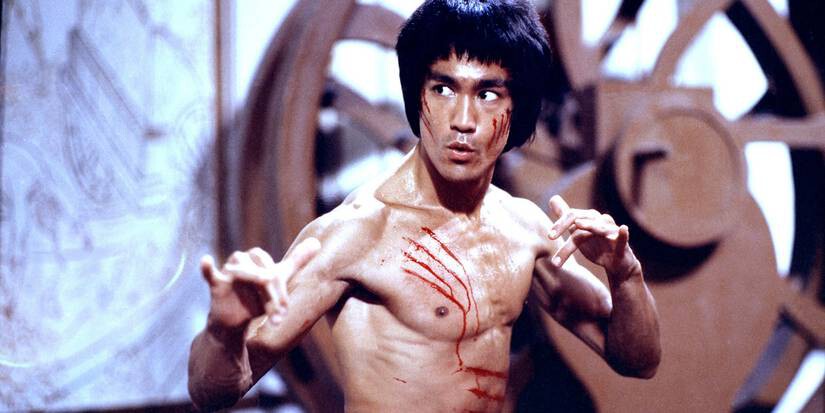
Wong Jack Man: The Traditionalist Challenger
Wong Jack Man was everything Bruce Lee was not: quiet, classical, and deeply rooted in tradition. A young master in his own right, Wong represented the old guard that Lee so openly criticized. Their rivalry was not just personal but philosophical, embodying the clash between tradition and innovation.
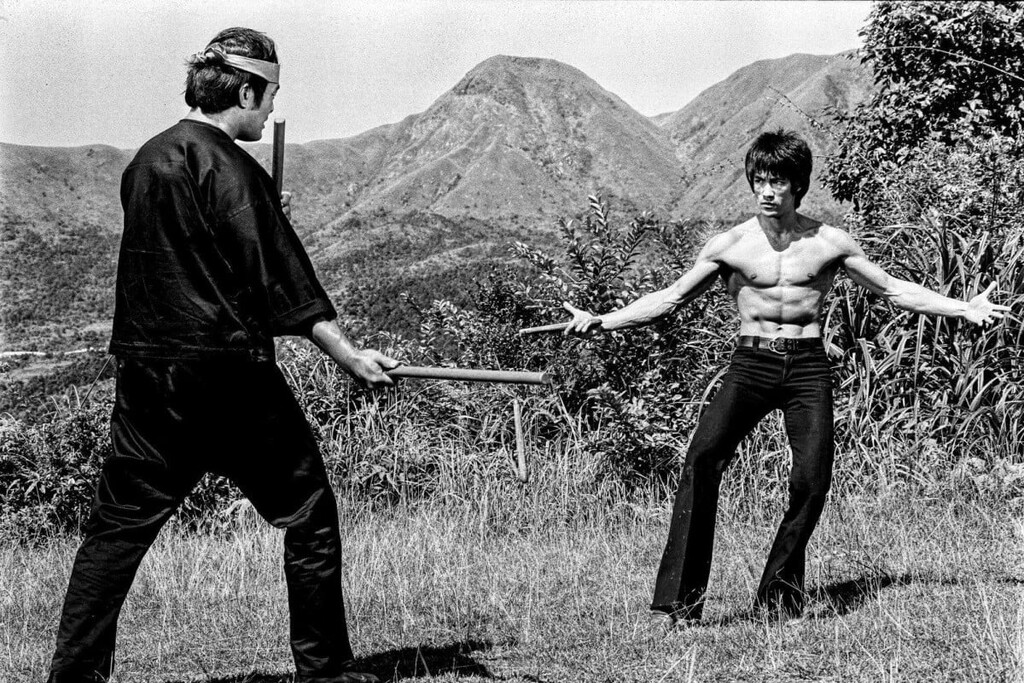
In 1964, Wong Jack Man issued a challenge to Lee, reportedly to settle the dispute over Lee's teaching methods and his perceived disrespect for traditional Kung Fu. The fight took place in a private setting, with no official rules or witnesses beyond a few select individuals.
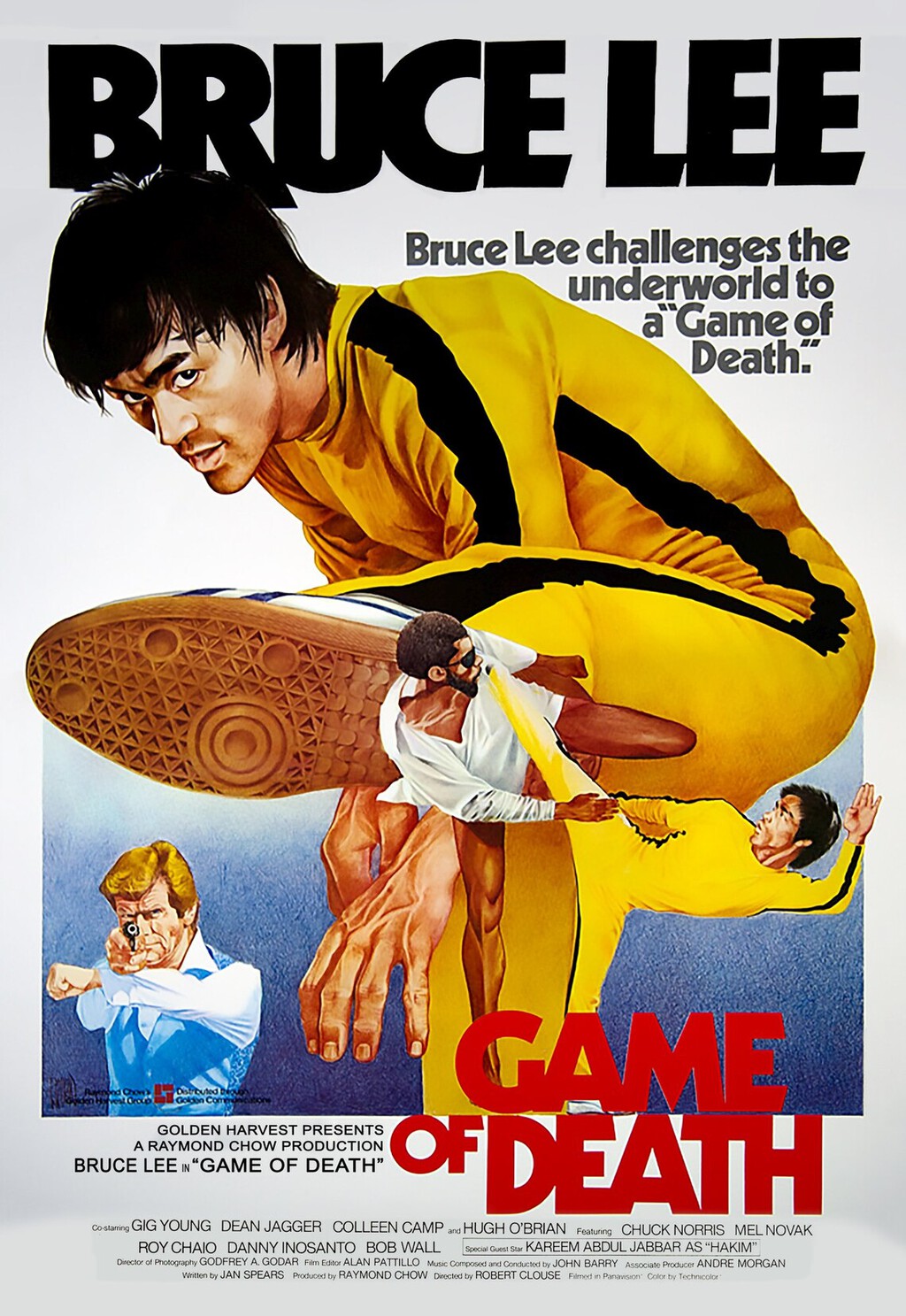
The Fight That Changed Martial Arts Forever
The details of the fight are murky, with accounts varying widely. According to Lee's version, he dominated the bout, ending it quickly with a series of decisive strikes. Wong Jack Man's account, however, claims that Lee used questionable tactics and that the fight lasted much longer than reported.
What is clear is that the encounter had a profound impact on Bruce Lee. He was reportedly dissatisfied with his performance, feeling that the fight lasted too long and that his techniques were not as efficient as he had believed. This dissatisfaction led him to reevaluate his approach to martial arts, eventually giving birth to Jeet Kune Do, his own philosophy of combat that emphasized practicality and adaptability.
The fight also highlighted the need for a more systematic approach to cross-style competition, foreshadowing the rise of mixed martial arts decades later.
Key Takeaways from the Legendary Showdown
- Philosophical Clash: The fight symbolized the tension between traditional martial arts and modern, practical combat.
- Evolution of Jeet Kune Do: Bruce Lee's dissatisfaction with his performance spurred the creation of his own martial arts philosophy.
- Impact on MMA: The bout is considered a precursor to modern mixed martial arts competitions.
- Legacy of Mystery: The conflicting accounts have fueled debate and fascination for decades.
- Cultural Significance: The fight underscored the racial and cultural barriers Lee challenged in the martial arts world.
Comparing the Accounts: Bruce Lee vs. Wong Jack Man
| Aspect | Bruce Lee's Account | Wong Jack Man's Account |
|---|---|---|
| Duration | About 3 minutes | 20-25 minutes |
| Outcome | Lee won decisively | Lee used dirty tactics; Wong held his own |
| Rules | No holds barred | Limited rules, no eye gouging |
| Aftermath | Lee felt he could have done better | Wong felt vindicated |
The discrepancies in these accounts reflect the deeply personal nature of the fight and the lack of objective documentation. Regardless of the exact details, the encounter undeniably left an indelible mark on both men and the martial arts community.
What Really Happened? Analyzing the Evidence
Historians and martial arts enthusiasts have pieced together the events from interviews and biographies. Most agree that the fight was intense and that Lee emerged victorious, but the margin of victory is disputed. Some witnesses claim Lee chased Wong around the room, while others say Wong landed significant blows.
One thing is certain: the fight exposed the limitations of traditional techniques when faced with an adaptive opponent. Lee's realization that his Wing Chun training was insufficient for a real fight led him to develop a more fluid and pragmatic style. Context on how this played out before sits in Bruce Lee's Real Fight: The Untold Story of a Legendary Showdown.
This epiphany is a testament to Lee's growth mindset and his relentless pursuit of efficiency in combat. The background to this story is set out in What Do OSS Mean in a Text? The Martial Arts Slang Explained. A related thread runs through Phantom Blade Zero Combat Channels Jackie Chan Martial Arts Magic.
The Aftermath and Bruce Lee's Legacy
Following the fight, Bruce Lee intensified his training and began to incorporate elements from boxing, fencing, and other disciplines. He also became more vocal about the need for martial arts to evolve. His subsequent films and teachings spread his philosophy worldwide, making him a global icon. Earlier coverage in What OSS Means in a Text: The Martial Arts Slang Explained Made Simple shows how the argument developed. A closer look at the same subject appears in Celebrity: latest articles.
Wong Jack Man continued to teach traditional Kung Fu and rarely spoke of the fight, maintaining a low profile until his death in 2018. The duel remains a pivotal moment in martial arts history, symbolizing the transition from tradition to innovation. Anyone following the wider picture can start with Jack Grealish: Golden Age Maverick or Wasted Talent. The same theme surfaces in Celebrity Real Estate: Why Stars Swap Homes Among Themselves, which takes a different angle.
FAQ
Who was Wong Jack Man?
Wong Jack Man was a martial artist and instructor of traditional Kung Fu who challenged Bruce Lee in 1964. He was known for his conservative approach and adherence to classical forms.
Why did Bruce Lee fight Wong Jack Man?
The challenge arose from tensions within the Chinese martial arts community over Lee's teaching of non-Chinese students and his criticism of traditional techniques. Wong Jack Man represented the traditionalists who disapproved of Lee's methods.
What was the outcome of the fight?
According to most accounts, Bruce Lee won the fight, but the details and duration are disputed. Lee himself felt that his performance was subpar, which motivated him to develop Jeet Kune Do.
How did the fight influence martial arts?
The fight highlighted the need for practical, adaptable techniques and is considered a precursor to modern mixed martial arts. It also inspired Bruce Lee to create Jeet Kune Do, emphasizing efficiency and directness.
Browse the Shop
 Acacia frida deluxe solid wood bed frame |
Bedroom bench |
Bed chest drawers |
Lingerie dresser |
Frame base |
Mirror with jewelry storage |
30 Bathroom Vanity |
Memory foam queen mattress |
Mattresses for back pain |
Nightstand set of 2 |
Grand Goldman Shop |
Civil Lawyer
Deutschland Trikot WM 2026







