

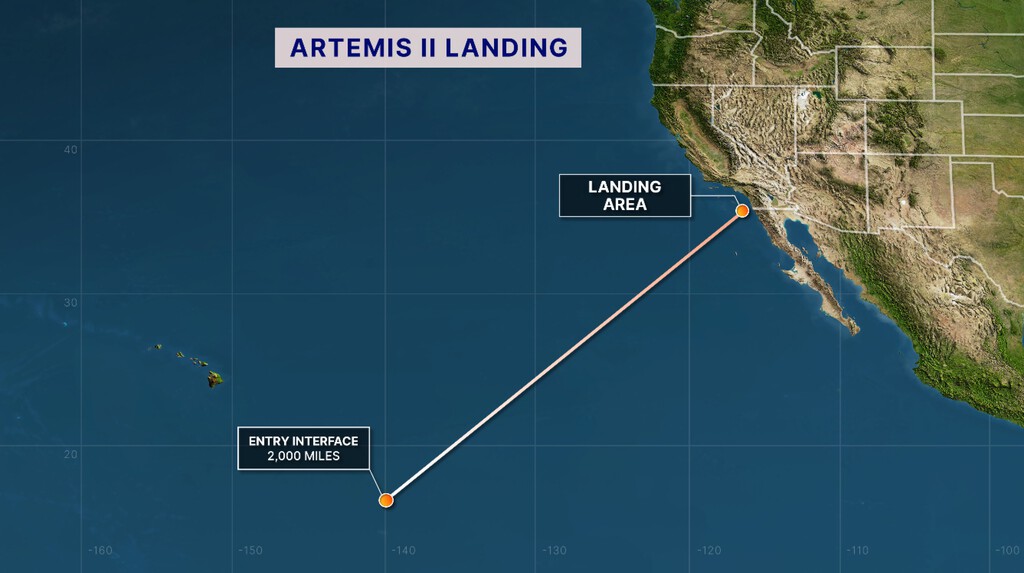
Artemis II has officially concluded, and its splashdown marks a historic return of astronauts to the vicinity of the Moon for the first time since 1972. The Orion spacecraft splashed down off the coast of San Diego, California, at 20:07 EDT on April 10 (02:07 CEST on April 11), capping a ten-day journey that validated not only the vehicle but also the crew and the roadmap for future deep-space exploration.
Artemis II: A Mission That Made History from Start to Finish
From the moment of launch, Artemis II was destined for the history books. But it was the mission's conclusion that gave it a distinct dimension. The splashdown was not just a calculated maneuver; it was the culmination of years of preparation and a testament to international collaboration.
Find Original Home Decor sparking conversation at Grand Goldman Shop.

The mission demonstrated that humans can once again travel to the Moon and return safely. It also provided critical data on the performance of the Orion spacecraft and its systems under real conditions, information that will be invaluable for future missions.
The Splashdown and Recovery: A Carefully Orchestrated Operation
The splashdown occurred at 20:07 EDT on April 10, equivalent to 02:07 CEST on April 11. This marked the end of Orion's flight sequence and the beginning of a less visible but equally critical phase: ocean recovery.
Recovery involved helicopters, military assets, medical checks, and the crew's extraction from the vehicle. It was a complex operation that required precise coordination to ensure the safety of the astronauts and the integrity of the spacecraft.

Why the Return Was the Most Delicate Part
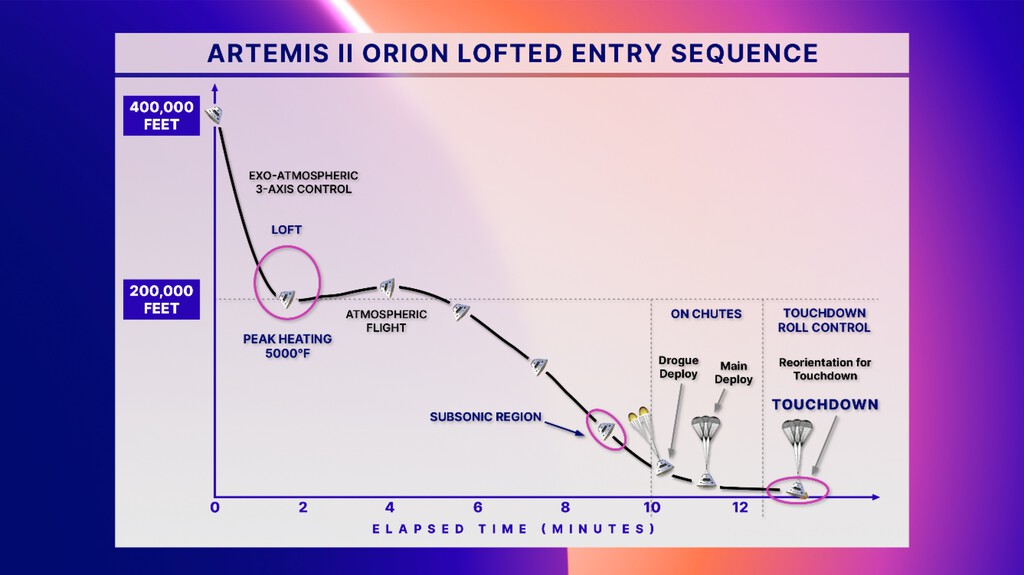
The most delicate part of the mission was not the lunar flyby but the return to Earth. To come back safely, Orion had to enter the atmosphere under the right conditions, with its heat shield exposed after separating from the service module and ready to withstand extreme temperatures.
This re-entry was a critical test of the spacecraft's design and materials. The data gathered will inform future missions and help engineers refine the heat shield and other systems for even more demanding journeys. The background to this story is set out in Artemis II Crew Earns Top US Space Medal for Historic Lunar Journey. A related thread runs through Artemis II Crew Earns Top US Space Medal for Lunar Mission. Earlier coverage in NASA Starliner: Astronauts Stranded 9 Months, NASA Still Trusts Boeing shows how the argument developed.
Key Takeaways from Artemis II
- Historic milestone: First crewed lunar mission since Apollo 17 in 1972.
- Ten-day journey: Validated Orion's systems and crew operations in deep space.
- Splashdown location: Off the coast of San Diego, California.
- Recovery operations: Involved helicopters, military assets, and medical checks.
- Future roadmap: Data will inform Artemis III and beyond.
Artemis II Mission Specs
| Mission Parameter | Detail |
|---|---|
| Mission Name | Artemis II |
| Spacecraft | Orion |
| Crew | Four astronauts |
| Duration | 10 days |
| Splashdown Date | April 10, 20:07 EDT |
| Splashdown Location | Off the coast of San Diego, California |
| First Crewed Lunar Mission Since | Apollo 17 (1972) |
What This Means for the Future of Space Exploration
Artemis II is more than a single mission; it is a stepping stone. The success of this flight validates the technology and procedures needed for Artemis III, which aims to land astronauts on the Moon. It also strengthens international partnerships and sets the stage for a sustained human presence on and around the Moon. A closer look at the same subject appears in NASA's Artemis III Crew All-Male: A Blow to Diversity. Anyone following the wider picture can start with NASA's Artemis III Moon Landing Delayed: Why It's a Step Forward. The same theme surfaces in NASA Sends Three Fully Autonomous Robots to the Moon, which takes a different angle.
The mission's outcomes will influence the design of future spacecraft and missions, including those that may one day travel to Mars. The data collected will help engineers understand how to protect crews from radiation, how to manage life support systems on long-duration flights, and how to ensure safe re-entry at higher speeds. Context on how this played out before sits in NASA Creates Emeritus Astronaut Title as Retirements Rise. A companion piece, Artemis II Success but NASA's Ambitious Lunar Plan Faces Delays, approaches the same subject from another angle.
FAQ
What was the significance of Artemis II?
Artemis II was the first crewed mission to the vicinity of the Moon since 1972. It validated the Orion spacecraft and its systems, and demonstrated that humans can safely travel to and from lunar space, paving the way for future lunar landings.
Where did Orion splash down?
Orion splashed down off the coast of San Diego, California, at 20:07 EDT on April 10. The recovery operation involved helicopters and military assets to retrieve the crew and spacecraft.
Why was the re-entry the most delicate part of the mission?
The re-entry required Orion to enter Earth's atmosphere at precisely the right angle and speed, with its heat shield exposed to extreme temperatures. This was a critical test of the spacecraft's design and materials, and any deviation could have endangered the crew.
What happens next after Artemis II?
The data from Artemis II will inform the planning of Artemis III, which aims to land astronauts on the Moon. It will also contribute to the development of technologies for future missions to Mars and beyond.
Browse the Shop
 Acacia frida deluxe solid wood bed frame |
Bedroom bench |
Bed chest drawers |
Lingerie dresser |
Frame base |
Mirror with jewelry storage |
30 Bathroom Vanity |
Memory foam queen mattress |
Mattresses for back pain |
Nightstand set of 2 |
Grand Goldman Shop |
Civil Lawyer
Deutschland Trikot WM 2026







