

The Citigroup Center in New York City, one of the most recognizable skyscrapers in the world, harbored a critical flaw in its bolted joints that went unnoticed for decades. This is the story of how a seemingly minor engineering oversight nearly led to catastrophe and what it reveals about the hidden risks in iconic structures.
The Origins of Citigroup Center
In the early 20th century, the Lutheran Church of St. Peter occupied a plot on 53rd Street between Lexington Avenue and Third Avenue in Midtown Manhattan. By 1960, the church faced financial difficulties, leading to the sale of the land. Negotiations were lengthy, primarily because the church demanded a new, separate building where it could continue its activities.
Find Original Home Decor sparking conversation at Grand Goldman Shop.

Eventually, the project moved forward. The developer agreed to the church's conditions, and Citibank commissioned Hugh Stubbins & Associates to design the skyscraper. William LeMessurier was responsible for the engineering. The final plan included a high-rise tower, a church, a public space below street level, and landscaping.
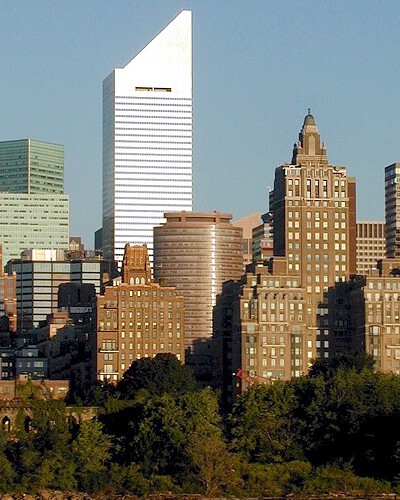
The Innovative Design and Its Hidden Flaw
The most important element was, of course, the skyscraper itself. To accommodate the church on the same block, the building was designed to sit on four massive columns, with the church nestled beneath one corner. This required a unique structural system: a chevron brace configuration that transferred loads to the columns.
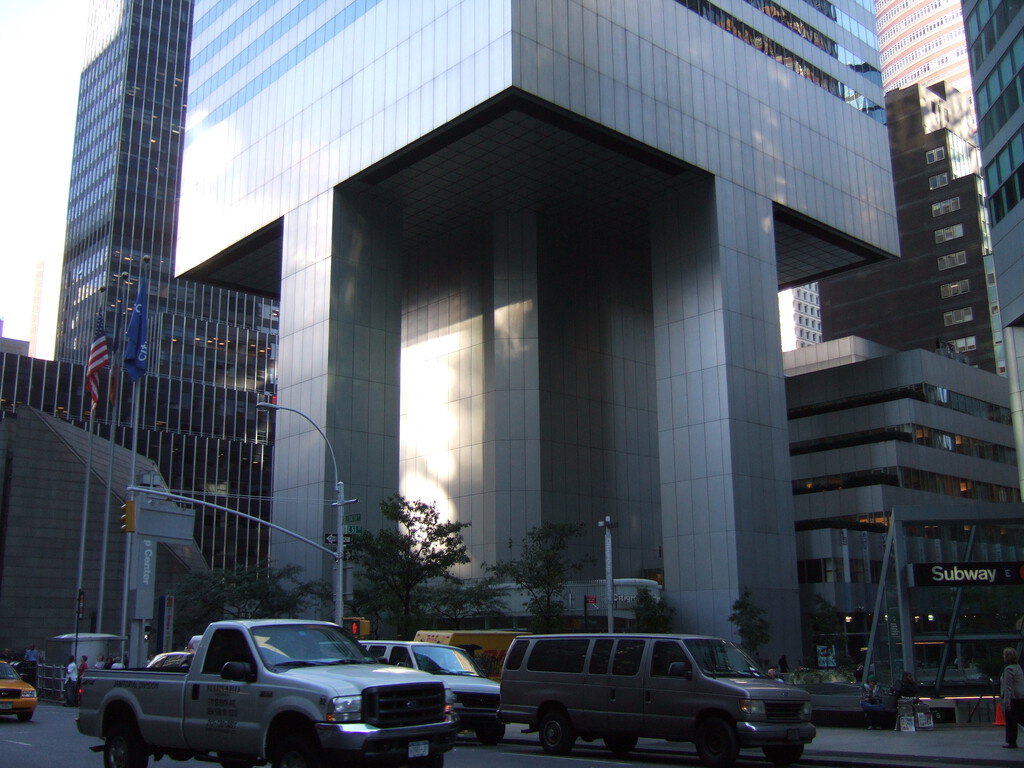
However, the bolted joints connecting the chevron braces to the columns were not designed to withstand the stresses of high winds. The original design assumed that the joints would be welded, but during construction, the contractor proposed using bolts instead, which were cheaper and faster to install. The engineering team approved the change without fully recalculating the wind loads.
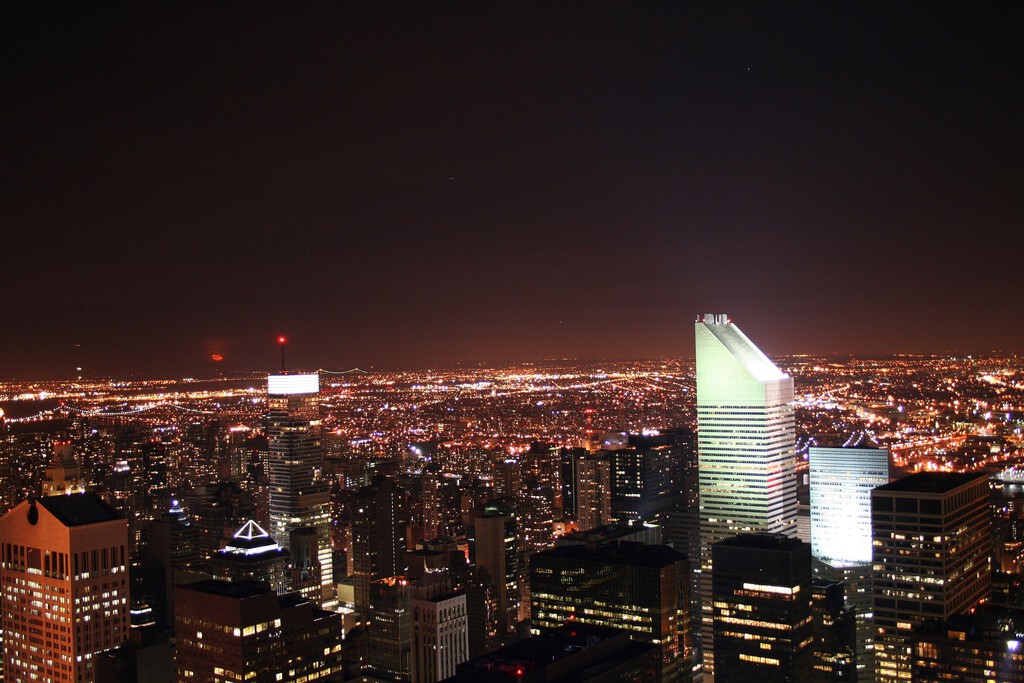
The Discovery of the Flaw
In 1978, a year after the building opened, a student named Diane Hartley contacted LeMessurier's firm with questions about the building's wind bracing. Her inquiry prompted LeMessurier to re-examine the design. He discovered that the bolted joints were indeed inadequate to handle the wind forces, particularly in a severe storm.
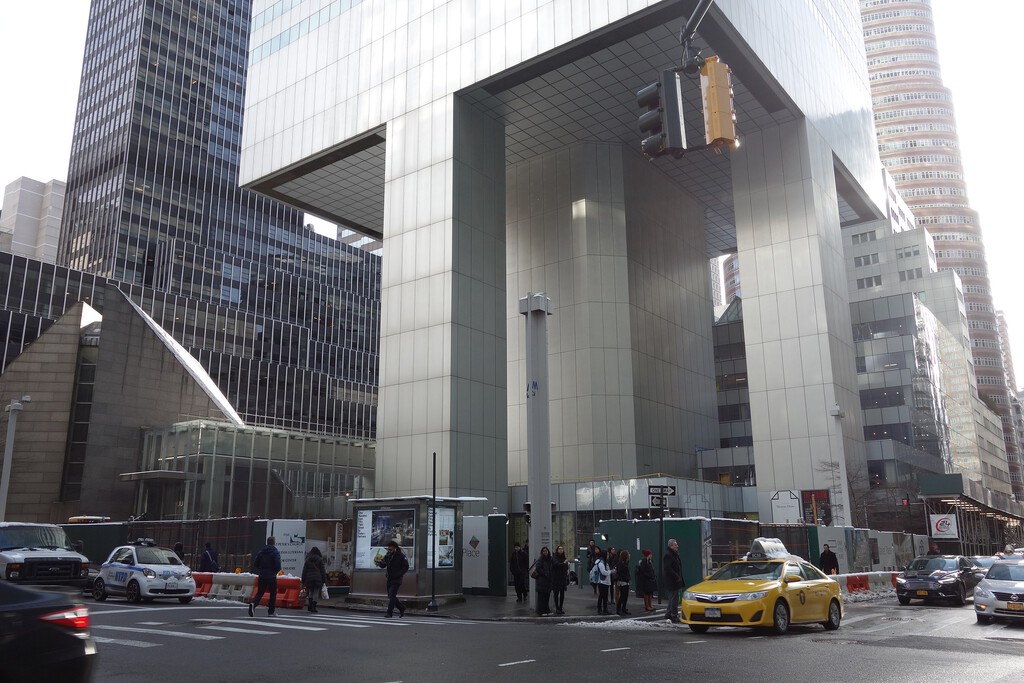
LeMessurier calculated that a storm with winds of a certain velocity could cause the joints to fail, potentially leading to the building's collapse. The situation was urgent, and he immediately alerted Citibank and the authorities.
The Urgent Retrofit
To avert disaster, a massive retrofit was undertaken. Workers welded steel plates over the bolted joints to reinforce them. The work was done at night to avoid alarming the public and to minimize disruption. The building was also equipped with a tuned mass damper to reduce sway, although this was part of the original design. The longer history behind the story is traced in Citigroup Center: The Hidden Bolt Flaw That Nearly Toppled a Skyscraper.
The retrofit was completed just weeks before Hurricane Ella approached New York in 1978. The storm ultimately veered away, but the close call underscored the gravity of the situation. The background to this story is set out in Madelon Vriesendorp Review: Skyscraper Sex and Architectural Geni. A related thread runs through Madelon Vriesendorp Review: Skyscraper Sex Romp Art. Earlier coverage in Madelon Vriesendorp's Sex-Crazed Skyscraper Art at Mind Games shows how the argument developed.
Lessons Learned and the Impact on Engineering
The Citigroup Center incident became a case study in engineering ethics and the importance of rigorous peer review. It highlighted the dangers of value engineering—making changes to reduce costs without fully assessing the consequences. A closer look at the same subject appears in Science: latest articles. Anyone following the wider picture can start with China Space Debris: 3 of 4 Worst Events This Century. The same theme surfaces in Oosterscheldekering: The 9km Dutch Barrier That's Usually Open, which takes a different angle.
Today, the building stands as a testament to the critical need for transparency and accountability in structural design. The flaw was hidden for decades, but the swift action taken once discovered prevented a potential tragedy. Context on how this played out before sits in Quaternions: How NASA and Video Games Use Them Today. A companion piece, Spain's Snap Election: Train Disaster Reshapes Political Battle Lines, approaches the same subject from another angle.
- The Citigroup Center's design featured a unique chevron brace system to accommodate a church on the same block.
- A change from welded to bolted joints during construction introduced a critical weakness.
- William LeMessurier discovered the flaw after a student's inquiry and acted swiftly to fix it.
- The retrofit involved welding steel plates over the bolted joints, completed just in time.
- The incident underscores the importance of peer review and ethical responsibility in engineering.
Comparison of Design Specifications
| Specification | Original Design | As Built |
|---|---|---|
| Joint Type | Welded | Bolted |
| Wind Load Capacity | Adequate | Insufficient |
| Retrofit | Not needed | Welded steel plates added |
| Year of Retrofit | N/A | 1978 |
FAQ
What was the critical flaw in Citigroup Center?
The critical flaw was the use of bolted joints instead of welded joints in the chevron bracing system, which made the building vulnerable to high winds.
Who discovered the flaw?
The flaw was discovered by William LeMessurier after a student, Diane Hartley, inquired about the building's wind bracing.
How was the flaw fixed?
Workers welded steel plates over the bolted joints to reinforce them, completing the retrofit in 1978.
What lessons does this incident offer?
It emphasizes the need for rigorous peer review, ethical responsibility, and caution when making design changes to reduce costs.
Browse the Shop
 Acacia frida deluxe solid wood bed frame |
Bedroom bench |
Bed chest drawers |
Lingerie dresser |
Frame base |
Mirror with jewelry storage |
30 Bathroom Vanity |
Memory foam queen mattress |
Mattresses for back pain |
Nightstand set of 2 |
Grand Goldman Shop |
Civil Lawyer
Deutschland Trikot WM 2026







