

The Hoba meteorite, a 60-ton iron giant that fell to Earth in what is now Namibia, remains one of the most puzzling space rocks ever discovered. Despite its massive size, it left no impact crater—a mystery that has baffled scientists for decades. How could something so large crash-land without leaving a trace?
Discovered in 1920 on a farm near Grootfontein, this extraterrestrial slab of iron and nickel has fascinated researchers and visitors alike. Its story offers a unique window into how meteorites interact with our planet's atmosphere and surface.
Find Original, High-end Home Decor that spark conversation at Grand Goldman Shop.
Discovery of the Hoba Meteorite
In 1920, farmer Jacobus Hermanus Brits was plowing his field with oxen when his plow struck something immovable. According to another account attributed to Brits himself, he found an exposed rock while hunting and discovered metal beneath it using a knife. Either way, what emerged was a colossal slab of iron and nickel, roughly 2.7 meters on each side and about a meter thick.

Today, the Hoba meteorite is recognized as the largest known intact meteorite, weighing approximately 60 tons. Unlike many other large meteorites that have been moved to museums, Hoba's main mass remains exactly where it was found—a testament to its immense weight and the difficulty of relocating it.
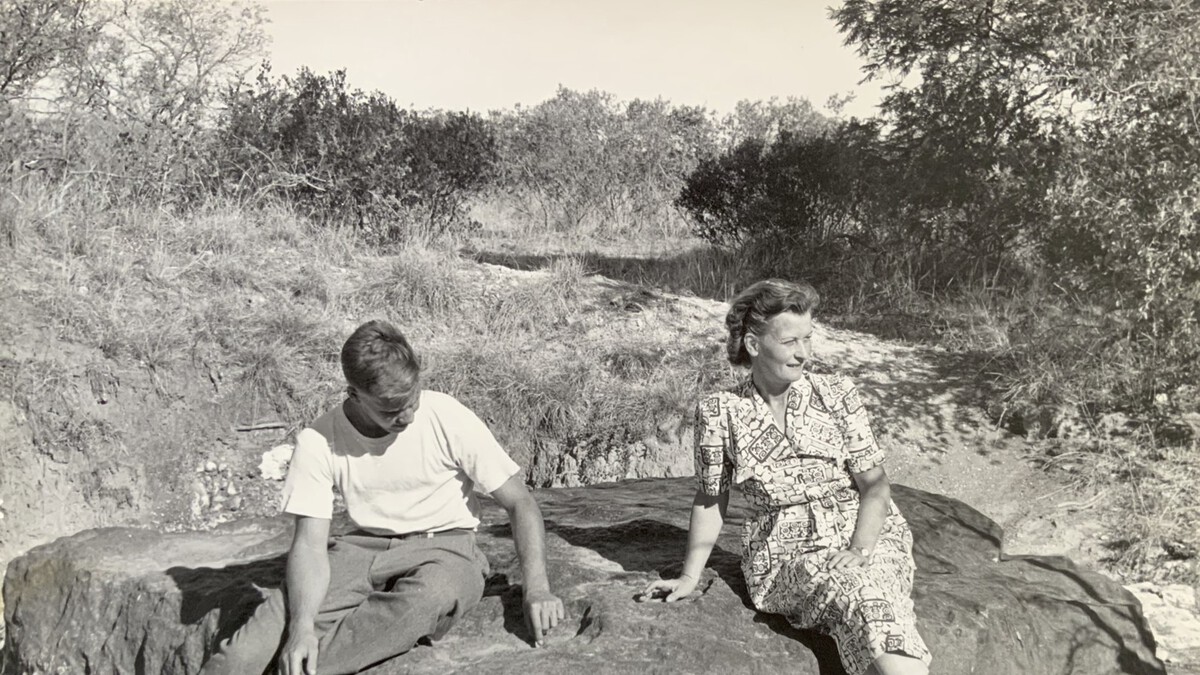
Why No Impact Crater?
The absence of a crater around Hoba is the central mystery. When a meteoroid enters Earth's atmosphere, it typically travels at hypersonic speeds, creating a shockwave and, upon impact, a crater. But Hoba shows no evidence of such a violent event.
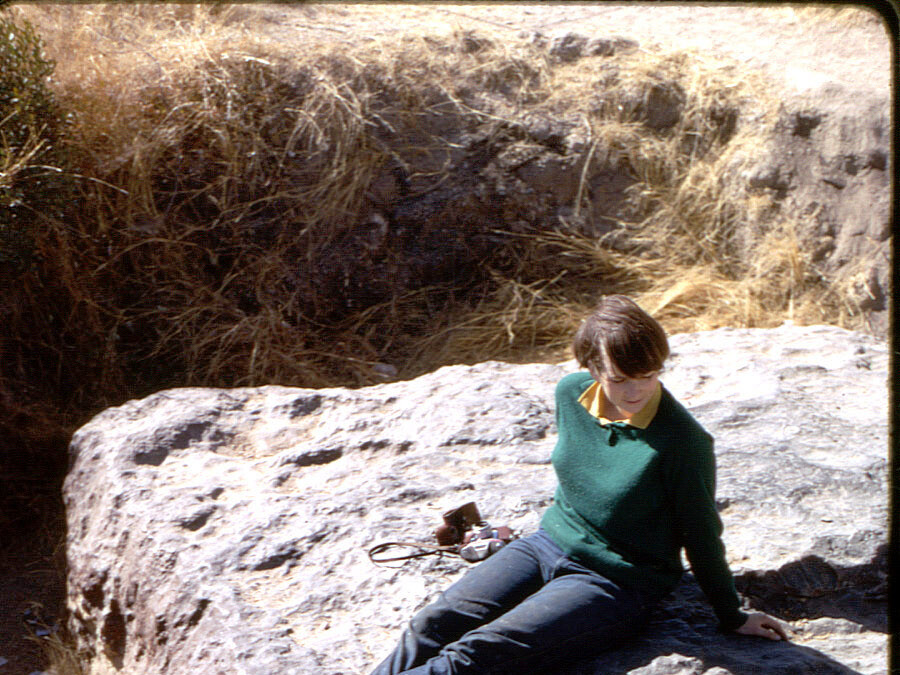
Scientists believe that Hoba entered the atmosphere at a relatively shallow angle and slowed down significantly due to atmospheric friction. By the time it reached the ground, it may have been traveling at subsonic speed, essentially falling rather than crashing. This gentle landing would explain the lack of a crater.
Additionally, the meteorite's flat shape likely caused it to skip or tumble, further reducing its impact energy. The surrounding geology also shows no signs of a raised rim or ejected material, confirming that Hoba did not excavate a crater.
What Makes Hoba Unique?
Hoba is not just notable for its size and missing crater; its composition and preservation are equally remarkable. It is an iron meteorite, composed primarily of iron and nickel, with trace amounts of cobalt and other elements. This metallic nature made it resistant to weathering, allowing it to survive for tens of thousands of years.
Moreover, Hoba is one of the few meteorites found in its original orientation, providing clues about its entry trajectory. Its surface is smooth and slightly concave, suggesting it may have been sculpted by atmospheric ablation.
- Largest intact meteorite: Approximately 60 tons, never moved from its discovery site.
- No impact crater: Likely due to a shallow entry angle and atmospheric slowing.
- Iron-nickel composition: Resistant to weathering, preserving it for millennia.
- In situ preservation: Offers rare insights into meteorite landing dynamics.
- Tourist attraction: A national monument in Namibia, visited by thousands each year.
Scientific Significance and Ongoing Research
Hoba continues to be a subject of study for planetary scientists. By analyzing its composition and structure, researchers can infer the conditions of its journey through space and its interaction with Earth's atmosphere. Such studies help refine models of meteorite entry and impact processes.
Furthermore, Hoba's survival without a crater challenges assumptions about the energy required to create impact structures. It serves as a natural laboratory for understanding low-velocity impacts and the effects of atmospheric braking on large bodies.
Comparison with Other Meteorites
To appreciate Hoba's uniqueness, consider how it stacks up against other famous meteorites. The table below highlights key differences.
| Meteorite | Location | Weight (tons) | Crater? | Notes |
|---|---|---|---|---|
| Hoba | Namibia | ~60 | No | Largest intact meteorite |
| Cape York | Greenland | ~58 | No | Moved to museum |
| Campo del Cielo | Argentina | ~37 | Yes (multiple) | Fragmented impact |
| Gibeon | Namibia | ~26 | No | Fragments found |
As the table shows, Hoba is exceptional not only for its size but also for its lack of a crater. While Cape York is similarly massive, it was broken into pieces and transported away. Hoba's intact preservation in place makes it a unique scientific treasure. The background to this story is set out in Hickman Crater: How Google Earth Revealed a 260-Meter Meteorite Impact. A related thread runs through Science: latest articles. Earlier coverage in NASA Dropped Five Pieces of Space Junk on Mars: A Breakthrough Impact shows how the argument developed.
What to Watch Next
Future research on Hoba will likely focus on dating its fall and modeling its atmospheric entry more precisely. Advanced computer simulations could reveal the exact angle and velocity that allowed such a massive object to land gently. Additionally, ongoing conservation efforts aim to protect the meteorite from vandalism and natural erosion. A closer look at the same subject appears in The Ignorosphere: Why This Unexplored Atmospheric Zone Matters. Anyone following the wider picture can start with Mars Ice Dust Miscalculation: What It Means for Habitability. The same theme surfaces in Michigan Meteorite Used as Doorstop for 30 Years Now Worth $100,000, which takes a different angle.
For now, Hoba stands as a silent witness to the power of the cosmos and the quirks of physics. Its story reminds us that not all space rocks announce their arrival with explosive force—some simply settle in, leaving us to ponder their journey. Context on how this played out before sits in Citizen Scientists Track Down New Zealand Meteorite. A companion piece, Hoba Meteorite: Why a 60-Ton Space Rock Left No Crater, approaches the same subject from another angle.
FAQ
Why did the Hoba meteorite not create a crater?
The Hoba meteorite likely entered Earth's atmosphere at a shallow angle and slowed down significantly due to atmospheric friction. By the time it reached the ground, it was traveling slowly enough to avoid creating a crater, essentially landing rather than crashing.
How big is the Hoba meteorite?
Hoba measures approximately 2.7 meters on each side and about a meter thick. It weighs around 60 tons, making it the largest known intact meteorite on Earth.
Where is the Hoba meteorite located?
It is located on a farm near Grootfontein in northern Namibia. The site is now a national monument and a popular tourist attraction.
What is the Hoba meteorite made of?
Hoba is an iron meteorite composed primarily of iron and nickel, with trace amounts of cobalt and other elements. Its metallic composition makes it resistant to weathering.
Browse the Shop
 Acacia frida deluxe solid wood bed frame |
Bedroom bench |
Bed chest drawers |
Lingerie dresser |
Frame base |
Mirror with jewelry storage |
30 Bathroom Vanity |
Memory foam queen mattress |
Mattresses for back pain |
Nightstand set of 2 |
Grand Goldman Shop |
Civil Lawyer
Deutschland Trikot WM 2026







