

The United States has publicly acknowledged for the first time that it has space control weapons in orbit, marking a significant shift in how the Pentagon discusses space-based military capabilities. The admission came from Air Force Secretary Troy Meink, who stated that Washington now possesses "space control weapons in orbit" capable of defending its forces against hostile actions. This declaration ends decades of silence on the topic and signals a new era in space security.
What Are Space Control Weapons?
Space control weapons are systems designed to protect a nation's space assets and potentially disable those of adversaries. While the exact capabilities remain classified, such weapons could include jammers, lasers, or other technologies that can interfere with or destroy satellites. The US has long been developing these technologies, but until now, it had never officially confirmed their deployment in orbit.
Find Original, High-end Home Decor that spark conversation at Grand Goldman Shop.
The announcement is seen as a deliberate message to China and Russia, both of which have been advancing their own space-based military programs. By going public, the US aims to demonstrate its readiness to defend its interests in space and deter potential aggression.

Why Now? The Strategic Timing
The timing of the disclosure is notable. It comes amid growing tensions between the US and both China and Russia over space militarization. In recent years, both countries have tested anti-satellite weapons and conducted maneuvers that the US has interpreted as threats. The Pentagon likely hopes that acknowledging its own capabilities will discourage adversaries from escalating their space activities.
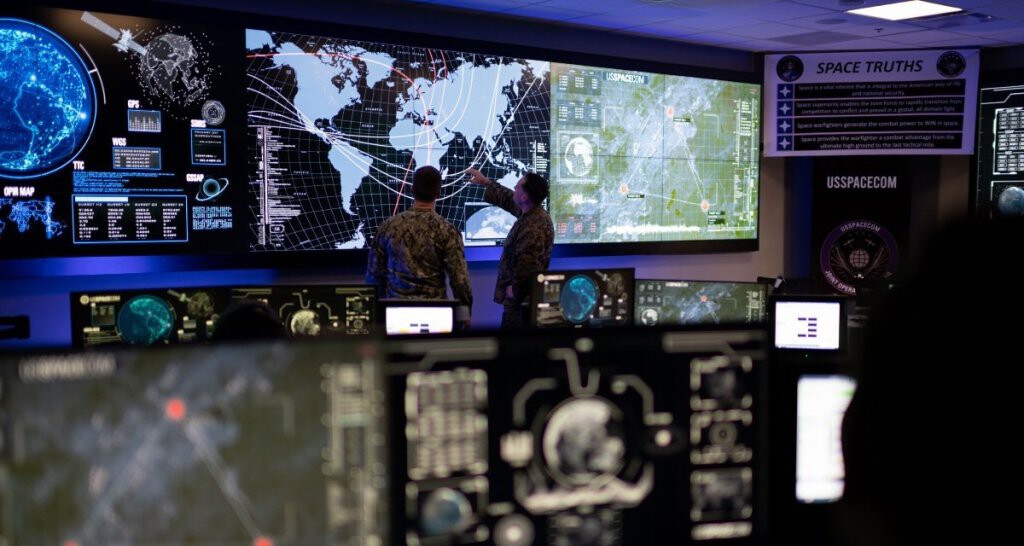
Additionally, the announcement may serve domestic purposes, signaling to Congress and the public that the US is taking space security seriously. It could also be a move to justify increased funding for space programs and to rally international support for norms of responsible behavior in space.
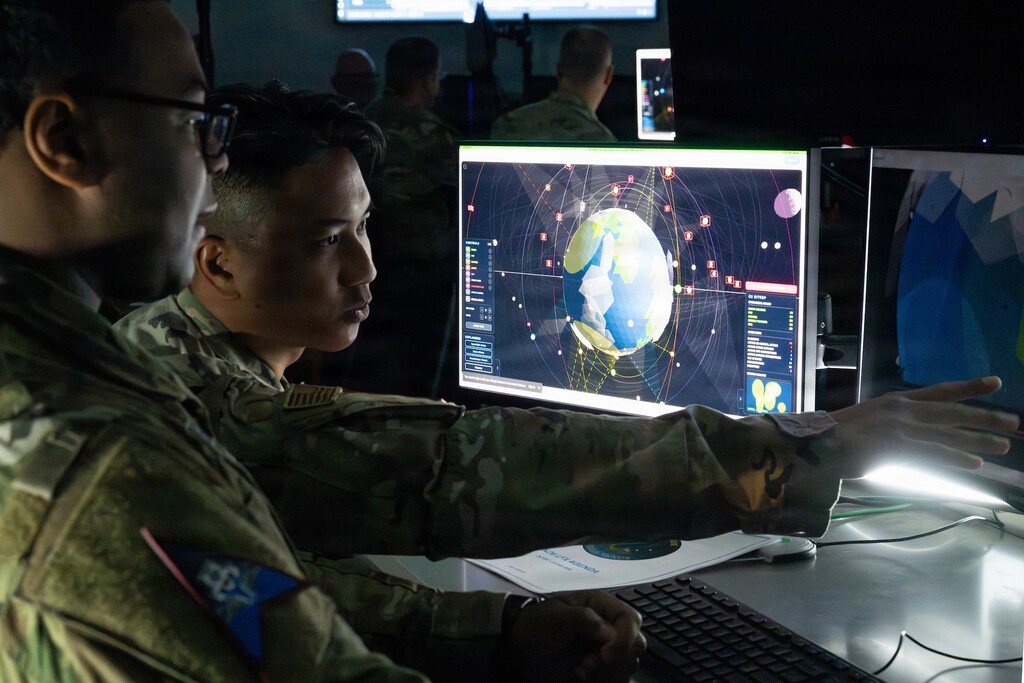
The End of the Space Weapons Taboo
For decades, openly discussing space weapons was virtually taboo for the Pentagon. The idea of weapons in orbit was relegated to science fiction and secret projects. Even the Strategic Defense Initiative (SDI) of the 1980s, nicknamed "Star Wars," was framed as a defensive measure against nuclear missiles, not as an offensive space weapon.
The new admission breaks that taboo. It reflects a broader shift in global security dynamics, where space is increasingly viewed as a contested domain. The US, China, and Russia are all developing capabilities to deny others the use of space during conflict, and the US is now willing to talk about its own.
What This Means for Global Security
The public acknowledgment of space weapons could have several implications. It may trigger a new arms race, as other nations feel compelled to match US capabilities. It could also complicate efforts to establish international norms against space weaponization, as the US may argue that its weapons are defensive and necessary for deterrence.
Moreover, the lack of details about the weapons' capabilities leaves room for speculation and mistrust. The US has not specified what these weapons can do or under what circumstances they would be used, which could lead to miscalculation by adversaries. The longer history behind the story is traced in US Confirms Space Weapons in Orbit for First Time.
Key Takeaways
- The US has officially confirmed the deployment of space control weapons in orbit, ending decades of silence.
- The announcement is widely interpreted as a message to China and Russia about US readiness to defend its space assets.
- Details about the weapons' capabilities remain classified, raising questions about their intended use.
- The disclosure may accelerate the space arms race and complicate international efforts to prevent weaponization.
- The taboo on discussing space weapons has been broken, signaling a new era in military space policy.
Comparison of Space Weapons Programs
| Country | Known Capabilities | Public Acknowledgment |
|---|---|---|
| United States | Space control weapons (details classified) | Yes, first time (2025) |
| China | Anti-satellite missiles, jammers, laser systems | Limited, mostly denials |
| Russia | Anti-satellite weapons, co-orbital systems | Occasional statements |
What to Watch Next
Following this admission, the international community will be watching closely for reactions from China and Russia. Both countries may respond with their own disclosures or demonstrations of space capabilities. The US may also face pressure to provide more details about its weapons, either through diplomatic channels or in international forums. The background to this story is set out in US Air Force Deploys Space Weapons: White House Silence Explained. A related thread runs through Pete Hegseth's Leadership Crisis Threatens US Military Readiness. Earlier coverage in Hegseth Confirms 20% Cut of US Top Military Brass shows how the argument developed.
In the longer term, the disclosure could lead to renewed efforts to negotiate rules for space behavior. However, the current geopolitical climate makes such negotiations challenging. The US has previously opposed binding treaties that would restrict its space activities, preferring voluntary norms. A closer look at the same subject appears in Trump Acknowledges Qatar Jet Lacks Air Force One Defenses. Anyone following the wider picture can start with Science: latest articles. The same theme surfaces in US Spaceport Laser Weapons to Counter Unauthorized Drones, which takes a different angle.
For now, the world is left to ponder the implications of weapons silently orbiting overhead. The admission by the US is a stark reminder that space is no longer a sanctuary but another domain for military competition. Context on how this played out before sits in Footgolf Ball Arms Race: Why Jabulani Is a Goldmine. A companion piece, AI Arms Race Risks: Experts Warn of Humanity's Peril, approaches the same subject from another angle.
FAQ
What exactly are space control weapons?
Space control weapons are systems designed to protect a nation's space assets and potentially disable those of adversaries. They can include jammers, lasers, or other technologies that interfere with or destroy satellites. The US has not disclosed the specific capabilities of its deployed weapons.
Why did the US announce this now?
The announcement is likely a strategic message to China and Russia, both of which have been advancing their own space weapons programs. By going public, the US aims to deter adversaries and demonstrate its readiness to defend its interests in space.
Does this violate international law?
There is no comprehensive international treaty banning weapons in space. The Outer Space Treaty of 1967 prohibits weapons of mass destruction in orbit but does not ban conventional weapons. The US maintains that its space control weapons are defensive and necessary for deterrence.
What happens next?
China and Russia may respond with their own disclosures or demonstrations of space capabilities. The US may face pressure to provide more details about its weapons, and there could be renewed efforts to negotiate rules for space behavior, though these are likely to be challenging.
Browse the Shop
 Acacia frida deluxe solid wood bed frame |
Bedroom bench |
Bed chest drawers |
Lingerie dresser |
Frame base |
Mirror with jewelry storage |
30 Bathroom Vanity |
Memory foam queen mattress |
Mattresses for back pain |
Nightstand set of 2 |
Grand Goldman Shop |
Civil Lawyer
Deutschland Trikot WM 2026







