

A 6,500-year-old circular shrine has been discovered near Chleby in the Czech Republic, offering a rare glimpse into the ritual life of prehistoric farming communities in Central Europe. The find, made by researchers from the University of West Bohemia in Plzeň, predates both Stonehenge and the Great Pyramid of Giza by millennia.
Known as a roundel, the structure is a circular enclosure formed by ditches and earthen banks. These monuments are found across Central Europe, but the Chleby site is among the most intriguing examples yet uncovered.
Find Original, High-end Home Decor that spark conversation at Grand Goldman Shop.
What Exactly Was Discovered?
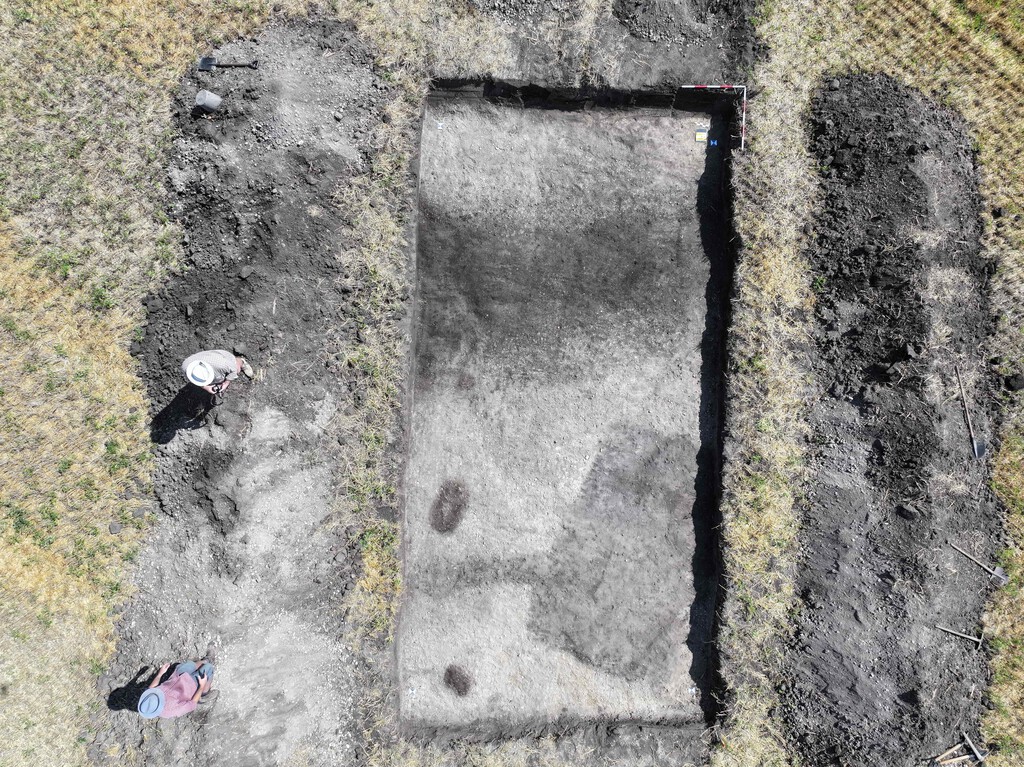
The roundel near Chleby is a prehistoric circular sanctuary estimated to be over 6,500 years old. It consists of a series of concentric ditches and banks, a design typical of roundels found in the region. Archaeologists believe these structures were used for rituals connected to the Sun and Moon, possibly marking seasonal changes or astronomical events.
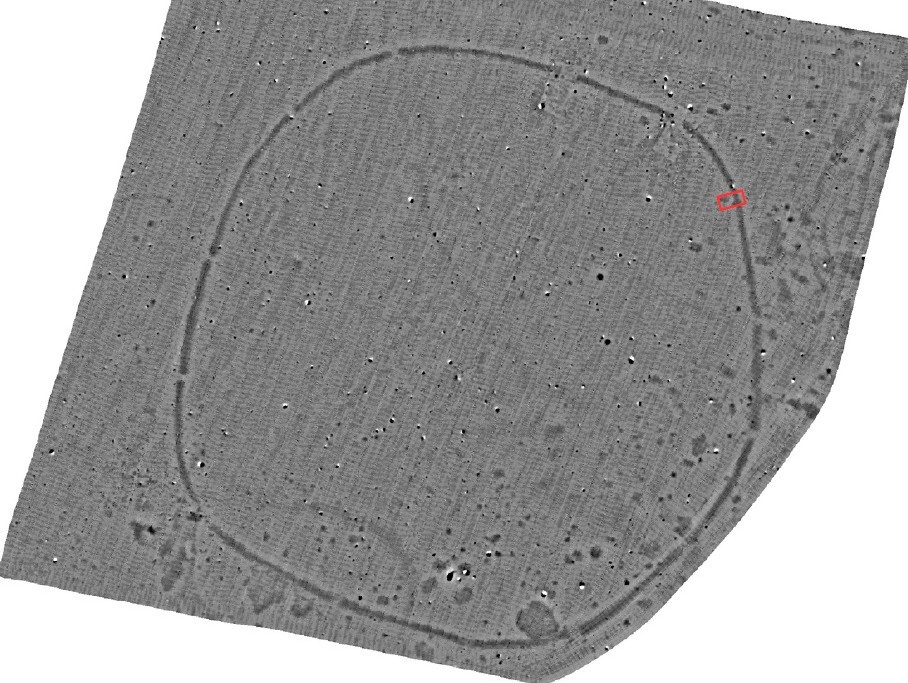
Similar roundels have been known to historians for some time, including one discovered near Prague in 2022. However, the Chleby complex adds a new chapter to the story of these enigmatic monuments.
Why Is This Roundel So Significant?
The age of the Chleby roundel places it in a period long before the construction of iconic landmarks like Stonehenge (circa 3,100 BC) and the Great Pyramid of Giza (circa 2,500 BC). This means that the agricultural communities of Central Europe were building complex ceremonial structures earlier than previously thought.
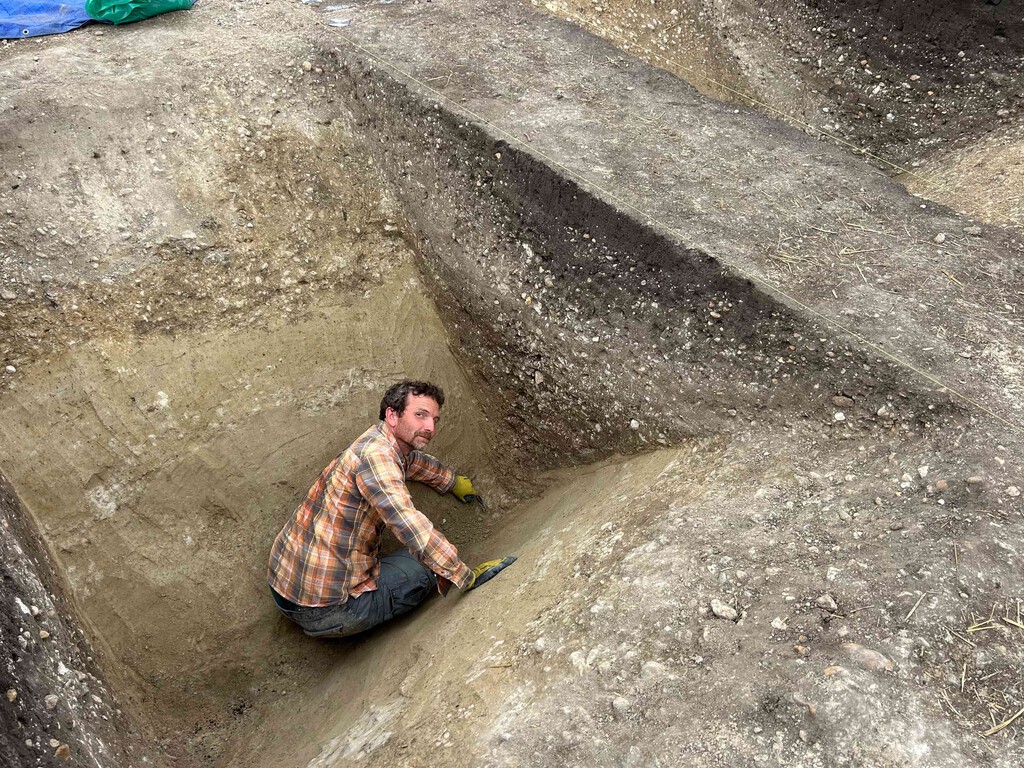
It also highlights the sophistication of these early societies. They were not merely surviving; they were creating monumental architecture with possible astronomical alignments, suggesting a deep understanding of the cosmos.
What Are Roundels and What Were They Used For?
Roundels are circular enclosures made of ditches and banks, often with internal structures. They are found mainly in Central Europe, dating to the Neolithic period. Their exact purpose remains debated, but most scholars agree they served a ritual or ceremonial function.
Some theories suggest they were used for astronomical observations, as the ditches may align with solstices or equinoxes. Others propose they were gathering places for feasts, trade, or social events. The Chleby roundel, like others, likely had multiple roles. The longer history behind the story is traced in Stonehenge's 56 Aubrey Holes Linked to Sun and Moon by IBM Computer.
How Does This Compare to Other Ancient Monuments?
To put the Chleby roundel's age into perspective, consider the following comparison: Context on how this played out before sits in 6,500-Year-Old Circular Shrine Found in Czech Republic. A companion piece, Rokid Glasses Review: The Best Walking Navigation on Green CRT Screens, approaches the same subject from another angle.
| Monument | Estimated Age | Location |
|---|---|---|
| Chleby Roundel | 6,500 years old (circa 4,500 BC) | Czech Republic |
| Stonehenge | 5,000 years old (circa 3,000 BC) | England |
| Great Pyramid of Giza | 4,500 years old (circa 2,500 BC) | Egypt |
This timeline shows that the Chleby roundel is significantly older than both Stonehenge and the pyramids, making it a crucial piece of evidence for understanding early European societies. The background to this story is set out in This Church In Czech Republic Is Decorated With Remains Of Over 70,000 Humans & It’s Eerie. A related thread runs through Table Lamp with an Old Circular Saw.
What Does This Mean for Our Understanding of Prehistory?
The discovery reinforces the idea that Central Europe was a hub of cultural and ritual innovation during the Neolithic period. It challenges the notion that monumental architecture was a later development, showing that even early farming communities had the organizational skills and spiritual motivation to build such structures. Earlier coverage in Trending: latest articles shows how the argument developed. A closer look at the same subject appears in Gen Z Dances Differently: The Fear of Going Viral as a Meme.
Moreover, the Chleby roundel may provide insights into the spread of ideas across prehistoric Europe. Roundels are found in various parts of Central Europe, suggesting a shared cultural tradition among these ancient peoples. Anyone following the wider picture can start with Toledo Reservoir Runs Dry: 10 Towns Face Water Crisis. The same theme surfaces in Extreme Heat Is Boosting Cold Vacations in Scotland and Hurting Spain, which takes a different angle.
Key Takeaways
- The Chleby roundel is a 6,500-year-old circular shrine, older than Stonehenge and the pyramids.
- Roundels were likely used for rituals related to the Sun and Moon, and possibly for social gatherings.
- The discovery highlights the sophistication of Neolithic farming communities in Central Europe.
- It adds to a growing body of evidence about prehistoric monumental architecture.
- Further research may reveal more about the purpose and significance of these enigmatic structures.
FAQ
What is a roundel?
A roundel is a circular prehistoric enclosure made of ditches and banks, typically found in Central Europe. They are believed to have served ritual or ceremonial purposes, often with astronomical alignments.
How old is the Chleby roundel?
The Chleby roundel is estimated to be over 6,500 years old, dating back to around 4,500 BC. This makes it older than Stonehenge and the Great Pyramid of Giza.
Why is this discovery important?
It shows that Neolithic communities in Central Europe were building complex ceremonial structures much earlier than previously thought, challenging our understanding of prehistoric cultural development.
Will there be further excavations at Chleby?
Researchers from the University of West Bohemia are likely to continue studying the site. Further excavations could reveal more about the roundel's construction and use.
Browse the Shop
 Acacia frida deluxe solid wood bed frame |
Bedroom bench |
Bed chest drawers |
Lingerie dresser |
Frame base |
Mirror with jewelry storage |
30 Bathroom Vanity |
Memory foam queen mattress |
Mattresses for back pain |
Nightstand set of 2 |
Grand Goldman Shop |
Civil Lawyer
Deutschland Trikot WM 2026







