

AI-generated plant scams are infiltrating the world of rare plant collecting, turning platforms like Etsy and Facebook Marketplace into hunting grounds for deceptive listings. What was once a niche hobby free from technology's reach is now facing a wave of impossibly perfect plants that don't exist.
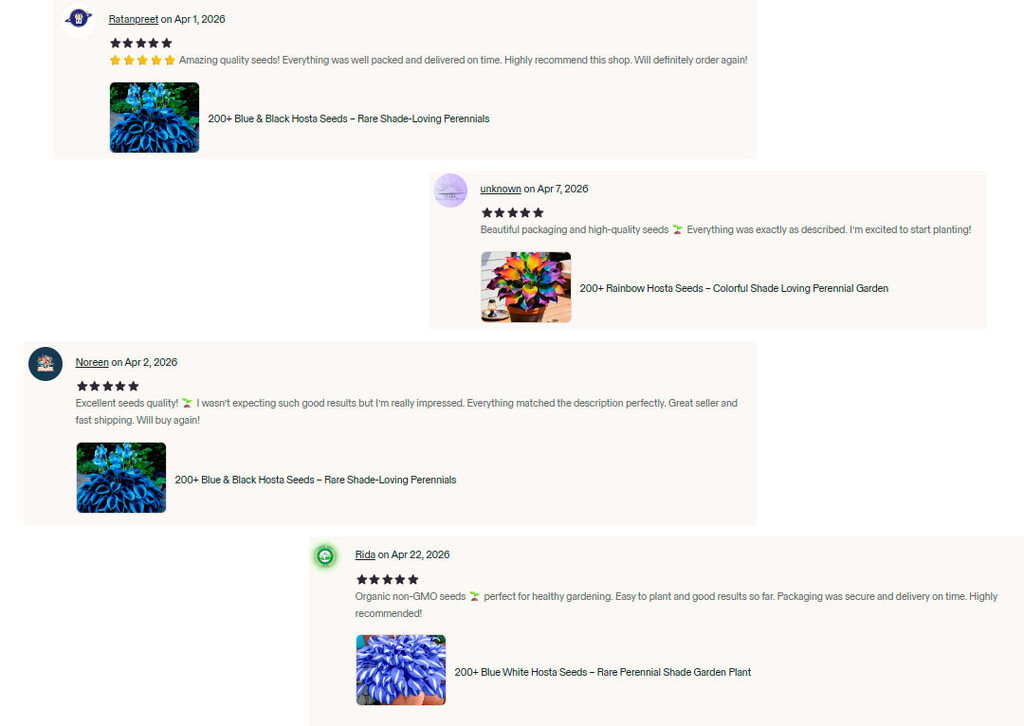
Plant enthusiasts, especially those hunting for variegated varieties and rare hybrids, are increasingly falling victim to sellers using AI to create fake images of plants with fluorescent leaves, butterfly-shaped foliage, and monstrous alocasias. The result is a community on high alert, warning each other about the growing threat.
Find Original Home Decor sparking conversation at Grand Goldman Shop.

How AI-Generated Plant Scams Operate
Scammers are leveraging AI image generators to produce stunning, otherworldly plant photos that lure in unsuspecting buyers. These images often depict plants with colors and patterns that don't occur in nature, such as neon blue leaves or perfectly symmetrical variegation.

The listings appear on popular marketplaces like Etsy, eBay, and Facebook Marketplace, where sellers claim to offer rare specimens at attractive prices. Once a buyer makes a purchase, they either receive nothing or a common plant that looks nothing like the photo.
Why Rare Plant Collectors Are Targeted
Collectors of rare plants are prime targets because they are willing to pay high prices for unique specimens. The desire for variegated plants and unusual hybrids makes them vulnerable to offers that seem too good to be true.
Moreover, the tight-knit nature of the plant community means that news of a "great find" spreads quickly, and scammers exploit this by creating fake listings that appear to be from reputable sellers.
The Impact on the Plant Community
The rise of AI-generated plant scams has sown distrust within the community. Enthusiasts are now questioning the authenticity of listings and sharing tips on how to spot fakes.
Some online groups have even banned the sharing of certain types of images to prevent scammers from stealing them for their own listings. The community's response has been swift, but the battle is ongoing.
- AI-generated images are becoming more realistic, making it harder to spot fakes.
- Scammers often use stolen photos from legitimate sellers to build trust.
- Marketplaces like Etsy have been slow to remove fraudulent listings.
- Collectors are advised to request additional photos or video proof before purchasing.
- Community vigilance and reporting are key to combating the issue.
How to Spot an AI-Generated Plant Scam
While AI images are improving, there are still telltale signs. Look for unnatural perfection: leaves that are too symmetrical, colors that are overly vibrant, or patterns that repeat too perfectly.
Check the seller's history and reviews. If a seller has no feedback or only generic reviews, proceed with caution. Also, reverse image search the photo to see if it appears elsewhere.
Another red flag is a price that's significantly lower than market value for a rare plant. If it seems too good to be true, it probably is.
Platform Responses and Accountability
Etsy, eBay, and Facebook Marketplace have policies against misleading listings, but enforcement is inconsistent. Etsy, in particular, has been criticized for allowing AI-generated art to be sold as handmade.
The company has stated that it is investing in technology to detect and remove fraudulent listings, but the sheer volume makes it challenging. The longer history behind the story is traced in Rare Siberian Rubythroat Found in Cumbria Killed by Cat.
| Platform | Scam Prevalence | Response |
|---|---|---|
| Etsy | High | AI detection tools, but slow removal |
| Facebook Marketplace | Moderate | Community reporting, limited proactive detection |
| eBay | Moderate | Buyer protection, but listings persist |
Protecting Yourself from Plant Scams
To avoid falling victim, always buy from reputable sellers with a track record. Request live photos or videos of the actual plant you're purchasing. The background to this story is set out in Customer Calls Being A Tattoo Artist A Hobby And Expects A Free Tattoo, Gets Put In Place. A related thread runs through ‘Choosing Beggar’ Gets Roasted For Asking For Free Tattoo Since Tattoo Artist’s Job Is “Just A Hobby”. Earlier coverage in Trending: latest articles shows how the argument developed.
Use payment methods that offer buyer protection, such as credit cards or PayPal. Avoid sending money directly through apps like Venmo or Cash App. A closer look at the same subject appears in AI-Generated Clothing Scams: When the Dress You Ordered Doesn't Exist. Anyone following the wider picture can start with AI Bikini Models Flood Facebook Marketplace Car Ads. The same theme surfaces in Drone Strike on Barakah Nuclear Plant Perimeter: Gulf Security Risks, which takes a different angle.
Finally, stay informed about common scams and share your experiences with the community. Knowledge is your best defense. Context on how this played out before sits in Vacation Rental Scams: How to Spot Fake Listings and Avoid Fraud. A companion piece, AI-Generated Influencers: The Rise of Fake Wellness Gurus, approaches the same subject from another angle.
FAQ
What are AI-generated plant scams?
AI-generated plant scams are fraudulent listings that use artificial intelligence to create fake images of rare plants. Scammers post these images on marketplaces to trick buyers into paying for plants that don't exist or don't match the photo.
How can I tell if a plant listing is AI-generated?
Look for unnatural features like overly vibrant colors, perfect symmetry, or patterns that don't occur in nature. Also, check the seller's reviews and reverse image search the photo to see if it's been used elsewhere.
Are platforms like Etsy doing anything about these scams?
Etsy and other platforms have policies against misleading listings and are investing in detection technology, but enforcement is inconsistent. The volume of listings makes it difficult to remove all scams quickly.
What should I do if I've been scammed?
Report the seller to the platform immediately and request a refund through the platform's buyer protection program. If you paid with a credit card, you can also dispute the charge with your card issuer.
Browse the Shop
 Acacia frida deluxe solid wood bed frame |
Bedroom bench |
Bed chest drawers |
Lingerie dresser |
Frame base |
Mirror with jewelry storage |
30 Bathroom Vanity |
Memory foam queen mattress |
Mattresses for back pain |
Nightstand set of 2 |
Grand Goldman Shop |
Civil Lawyer
Deutschland Trikot WM 2026







