

AI-generated clothing scams are on the rise, tricking shoppers into buying dresses that don't exist. This weekend, my aunt's best friend is getting married, and like any wedding, the months leading up to it have been all about finding the perfect dress. While browsing online, she found a dress she loved and didn't hesitate. When it arrived, it was nothing like the picture, and the company refused to refund her money. She had been scammed.
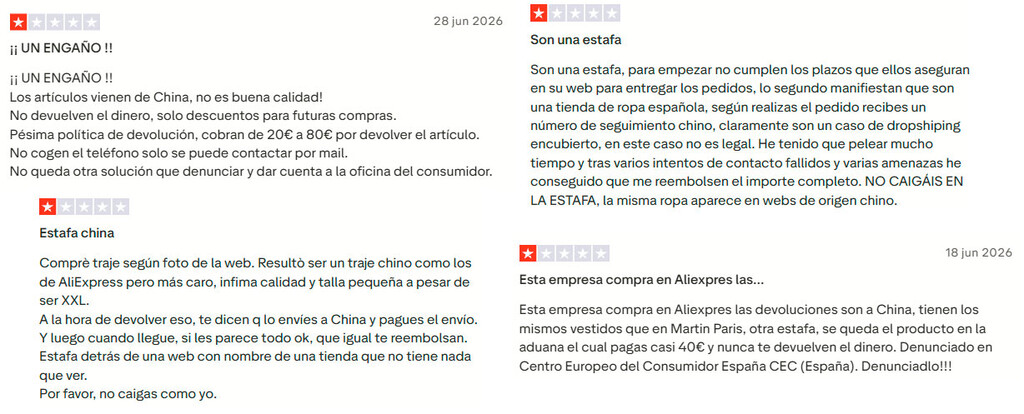
When she told me what happened, I started digging and found that the store she bought from was not a special case. Many more stores follow the same modus operandi: dropshipping, inflated prices, murky return policies, and photos created with AI. The photo she showed me set off all my alarm bells: the harsh lighting, the exaggerated smoothing, the quality—but above all, the dress itself, with ruffles and folds perfectly frozen in mid-air. It was a perfect candidate for a 'what you order vs. what you get' scenario, and that's exactly what happened. The dress that arrived was a different color, had seams not visible in the photo, the fabric was terrible, and the ruffles were more like droopy rags, victims of gravity.
Find Original Home Decor sparking conversation at Grand Goldman Shop.

In the store's FAQ section, they state that once a return is approved, 'we will send you the corresponding instructions and a free return label.' My aunt requested the return, and from then on, everything was obstacles. To receive a refund, she had to jump through hoops, and the company kept finding excuses to delay or deny it.
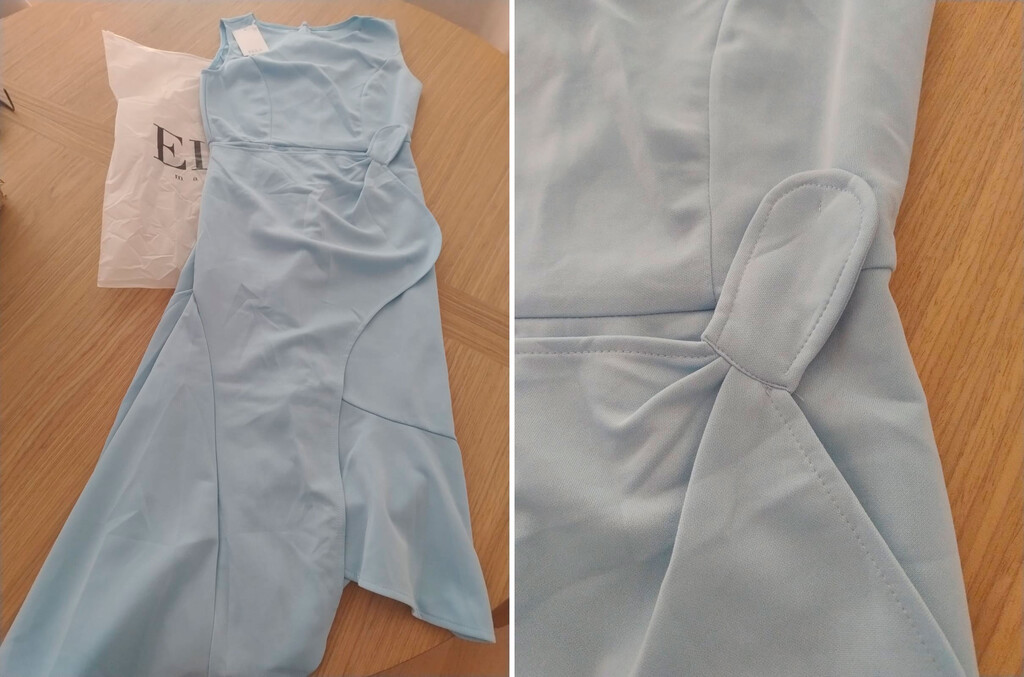
How AI-Generated Clothing Scams Work
These scams often use AI to generate hyper-realistic images of clothing that doesn't exist. The scammers then list these images on their websites, often at attractive prices, and use dropshipping to fulfill orders with cheap, low-quality items from overseas. When customers try to return the items, they encounter a maze of hurdles, including restocking fees, return shipping costs, and unresponsive customer service.
The use of AI in these scams makes it harder for consumers to spot fakes because the images look professional and detailed. However, there are telltale signs: unnatural lighting, perfect folds that defy gravity, and a lack of real customer photos.
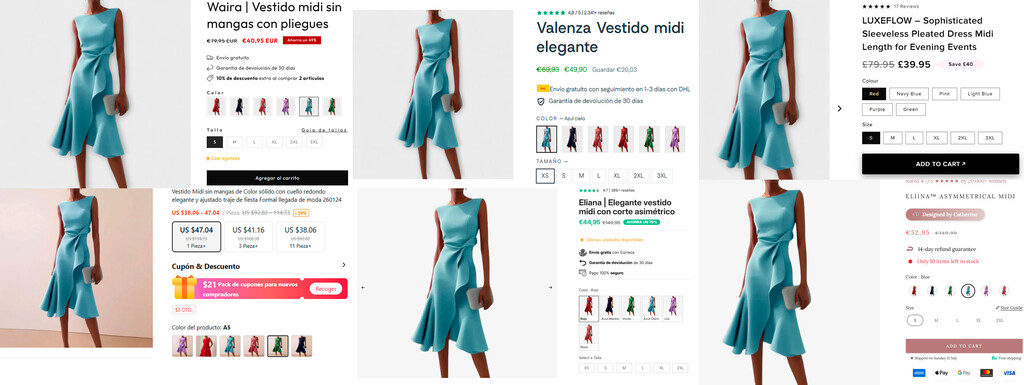
Red Flags to Watch Out For
- Too-good-to-be-true prices: If the price is significantly lower than similar items elsewhere, it's likely a scam.
- No real customer reviews or photos: Legitimate stores often have customer photos and reviews. Scam sites may have fake reviews or none at all.
- Vague return policies: Look for clear, easy-to-understand return policies. If the policy is buried or confusing, be wary.
- AI-generated images: Check for unnatural lighting, overly smooth textures, and physics-defying folds in the clothing.
- Poor website quality: Scam sites often have grammatical errors, broken links, or low-quality images.
What to Do If You've Been Scammed
If you've fallen victim to an AI-generated clothing scam, act quickly. First, contact your credit card company or payment provider to dispute the charge. Then, report the scam to the relevant authorities, such as the Federal Trade Commission (FTC) in the US. Finally, warn others by leaving reviews on sites like Trustpilot and sharing your experience on social media.
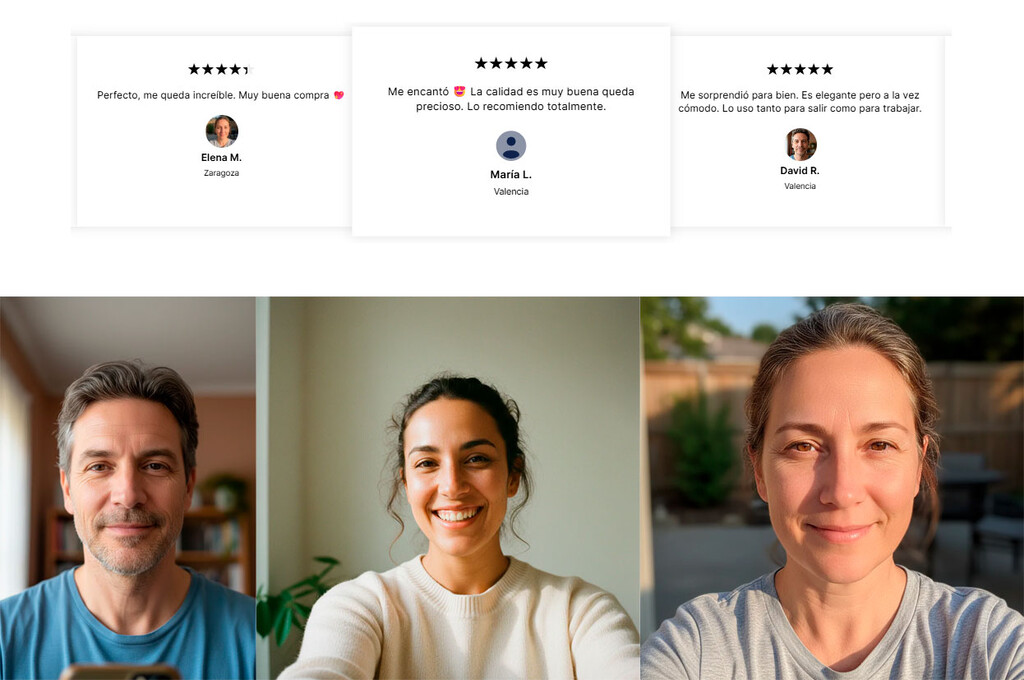
It's also important to document everything: save screenshots of the product page, your order confirmation, and any communication with the seller. This evidence will be crucial for your dispute.
How to Spot AI-Generated Images
AI-generated images are becoming more sophisticated, but they still have flaws. Look for inconsistencies in lighting and shadows, unrealistic textures, and details that don't make sense, like a dress with folds that don't obey gravity. Also, check if the model's hands or fingers look odd—AI often struggles with these. The longer history behind the story is traced in Ivar Kreuger: The Match King Who Fooled Wall Street.
Another tip: reverse image search the product photo. If the same image appears on multiple sites with different names, it's likely a scam. The background to this story is set out in Fuente Palmera: The Spanish Town Behind Thousands of Wedding Dresses. A related thread runs through Janitor Dresses Like A Manager And Ends Up Getting Promoted As A COO. Earlier coverage in Dressmaker Game: Creative Dress Design Simulation for Dream Dresses shows how the argument developed.
Protecting Yourself from Future Scams
To avoid falling for these scams, stick to reputable retailers and marketplaces. Read reviews and check the store's reputation. Be skeptical of social media ads, especially those from unfamiliar brands. And always use a credit card for online purchases—it offers better fraud protection than debit cards or wire transfers. A closer look at the same subject appears in Diana's Revenge Dress Up for Auction. Anyone following the wider picture can start with Woman Tells Customer That They’re Not Well Dressed To Be Working In A Store They Don’t Even Work At. The same theme surfaces in Bayeux Tapestry Fashion: Best Dressed Characters Revealed, which takes a different angle.
Remember, if a deal seems too good to be true, it probably is. Trust your instincts and do a little research before hitting the buy button. Context on how this played out before sits in Ozempic Disrupts Wedding Dress Industry with Dramatic Weight Loss. A companion piece, Slow Fashion Revolution: Woman Grows Her Own Dress from Flax, approaches the same subject from another angle.
FAQ
What is an AI-generated clothing scam?
An AI-generated clothing scam is a fraudulent scheme where scammers use artificial intelligence to create realistic images of clothing that doesn't exist. They sell these items online, often using dropshipping to send cheap, low-quality products, and then make returns difficult.
How can I tell if a clothing image is AI-generated?
Look for signs like unnatural lighting, overly smooth textures, physics-defying folds, and inconsistencies in shadows. Also, check for odd details in the model's hands or fingers. Reverse image searching can also help identify stolen or fake images.
What should I do if I bought from a scam website?
Immediately contact your credit card company to dispute the charge. Report the scam to the FTC and other consumer protection agencies. Document all evidence, including screenshots and emails, and warn others on social media and review sites.
Are all dropshipping stores scams?
No, not all dropshipping stores are scams. However, many scam sites use dropshipping to fulfill orders with inferior products. It's important to research the store's reputation and read reviews before purchasing.
Browse the Shop
 Acacia frida deluxe solid wood bed frame |
Bedroom bench |
Bed chest drawers |
Lingerie dresser |
Frame base |
Mirror with jewelry storage |
30 Bathroom Vanity |
Memory foam queen mattress |
Mattresses for back pain |
Nightstand set of 2 |
Grand Goldman Shop |
Civil Lawyer
Deutschland Trikot WM 2026







