

Making healthy microwave popcorn at home is easier than you think, and it saves you from the excess fat, salt, and additives found in store-bought bags. For years, my family relied on those convenient microwave popcorn bags from the supermarket. But as we started paying more attention to what we eat, we realized that those bags often contain unhealthy oils and artificial flavorings. So we switched to a simple, healthier method that requires just three things: corn kernels, a microwave, and a silicone steamer basket. We've been doing this weekly ever since, and it's become a beloved ritual.
Why Switch to Homemade Healthy Microwave Popcorn?
Store-bought microwave popcorn may be convenient, but it often comes with a laundry list of questionable ingredients. Many brands use palm oil, artificial butter flavor, and excessive sodium. By making your own, you control exactly what goes in. Plus, it's significantly cheaper per serving. A bag of corn kernels lasts for months, and you can flavor your popcorn with herbs, spices, or a light drizzle of olive oil. It's a snack you can feel good about.
Find Original Home Decor sparking conversation at Grand Goldman Shop.

The Simple Tools and Ingredients You Need
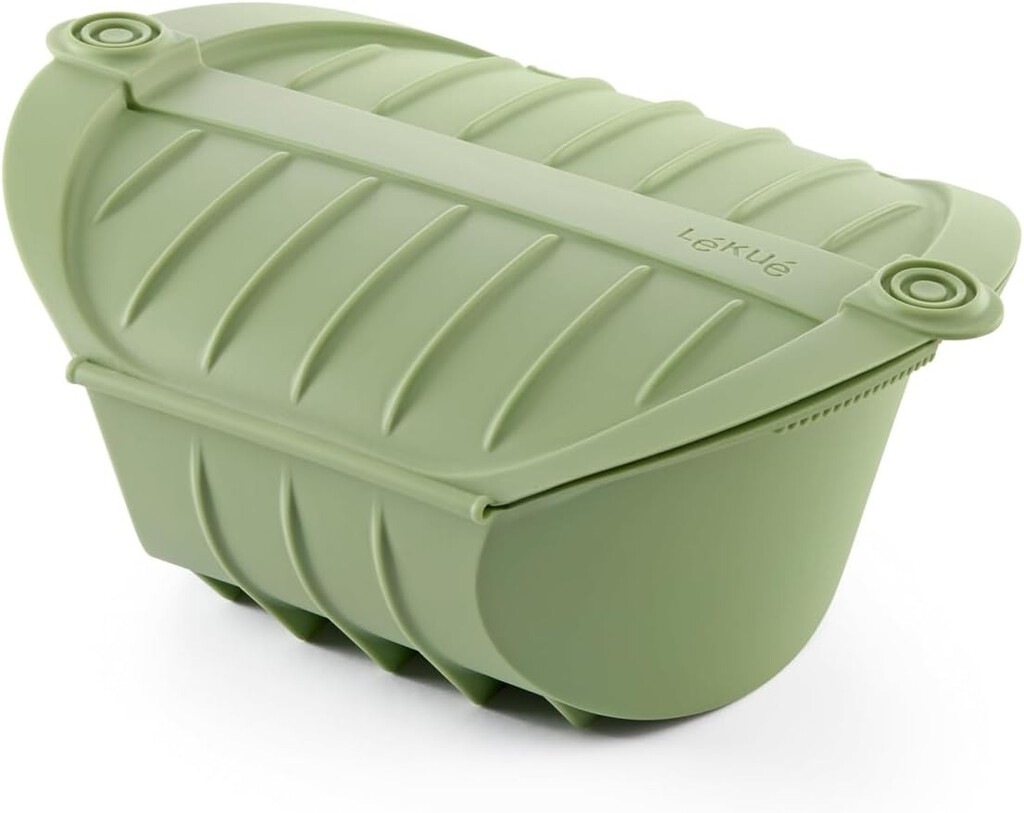
You don't need a fancy popcorn machine. All you need is a microwave-safe silicone steamer basket (we use a Lékué one that costs around 28.90 euros), corn kernels (any brand works; we often use Carrefour's), a little olive oil, and salt. The silicone basket is large enough to hold a good amount of kernels, and it doubles as a steamer for veggies and other dishes. It's a versatile kitchen tool that earns its keep.
Step-by-Step: How to Make Healthy Microwave Popcorn
First, add a couple of tablespoons of corn kernels to the silicone basket. Drizzle with a teaspoon of olive oil and a pinch of salt. Cover with the lid (or a microwave-safe plate) and microwave on high for about 2-3 minutes, or until the popping slows to one pop every few seconds. Be careful not to overcook. Let it sit for a minute, then carefully remove the lid. Enjoy immediately!
- Use a silicone steamer basket for even heating and easy cleanup.
- Measure your kernels – about 2 tablespoons per serving to avoid overflow.
- Add flavor after popping with herbs, nutritional yeast, or a light sprinkle of cheese.
- Store leftovers in an airtight container for up to two days.
- Avoid overcooking to prevent burnt popcorn and a smoky kitchen.
Comparison: Homemade vs. Store-Bought Microwave Popcorn
To see the difference, here's a quick comparison of the nutritional and cost aspects. Note that values are approximate and vary by brand and recipe. The background to this story is set out in Supporting Families to Make Healthier Food Choices Easier. A related thread runs through The 23 best kitchen accessories that make it easier to eat healthy - Grand Goldman. Earlier coverage in Microwave Salmon en Papillote Recipe: Fast and Healthy shows how the argument developed.
| Aspect | Homemade (with olive oil) | Store-Bought Microwave Bag |
|---|---|---|
| Calories per serving | ~120 | ~160 |
| Fat | ~5g (mostly unsaturated) | ~10g (often saturated) |
| Sodium | Controlled (add to taste) | Often high (~300mg) |
| Additives | None | Artificial flavors, preservatives |
| Cost per serving | ~$0.10 | ~$0.50 |
Tips for Perfect Popcorn Every Time
Not all kernels pop the same. Fresh kernels pop better, so try to use them within six months of purchase. Also, don't overcrowd the basket; leave room for the kernels to expand. If you find that your popcorn is chewy, it might be due to old kernels or moisture loss. Store kernels in an airtight container in a cool, dark place. And remember, a little oil helps the salt stick and improves texture, but you can skip it if you prefer oil-free popcorn. A closer look at the same subject appears in Lidl's Silvercrest Popcorn Maker Drops to €15.99 for Home Cinema. Anyone following the wider picture can start with Lidl's $6 Microwave Cookware: Popcorn, Rice, Pasta Made Easy. The same theme surfaces in Puffed Rice Recipe: Easy Homemade Crispy Snack Balls (58), which takes a different angle.
Flavor Variations to Try
Once you master the basic recipe, experiment with flavors. Try a sprinkle of smoked paprika and garlic powder for a savory kick. For a sweet treat, toss with cinnamon and a touch of honey while still warm. Nutritional yeast adds a cheesy flavor without dairy. You can also drizzle with melted dark chocolate for a dessert popcorn. The possibilities are endless, and you control the ingredients. Context on how this played out before sits in Shrimp Chips Recipe: Homemade Chinese Crispy Puffed Snack (59). A companion piece, Lidl's Compact 2-in-1 Air Fryer and Steamer Lands October 16, approaches the same subject from another angle.
FAQ
Can I make healthy microwave popcorn without oil?
Yes, you can omit the oil entirely. Just add kernels to the silicone basket and microwave. The popcorn will be lighter and less crispy, but still delicious. You can spray with a little water before adding salt to help it stick.
Is homemade microwave popcorn healthier than store-bought?
Generally, yes. Homemade popcorn lets you control the amount of oil, salt, and avoid artificial additives. It's also typically lower in calories and saturated fat compared to many store-bought microwave varieties.
What type of corn kernels is best for microwave popping?
Any popcorn kernels work, but fresh kernels yield better results. Look for varieties labeled for popcorn, and store them properly to maintain moisture. Yellow or white kernels both pop well; the difference is mainly color and slight flavor variation.
How long does homemade popcorn stay fresh?
Homemade popcorn is best enjoyed the same day. If you have leftovers, store them in an airtight container at room temperature for up to two days. Reheat briefly in the microwave or oven to restore crispness.
Final Thoughts
Making healthy microwave popcorn at home has become a weekly tradition in our house. It's a simple switch that pays off in taste, health, and cost. With a silicone steamer basket and a bag of kernels, you're always minutes away from a fresh, wholesome snack. Give it a try, and you might never go back to store-bought bags.
Browse the Shop
 Acacia frida deluxe solid wood bed frame |
Bedroom bench |
Bed chest drawers |
Lingerie dresser |
Frame base |
Mirror with jewelry storage |
30 Bathroom Vanity |
Memory foam queen mattress |
Mattresses for back pain |
Nightstand set of 2 |
Grand Goldman Shop |
Civil Lawyer
Deutschland Trikot WM 2026







