

The Biblioteca Salvat RTV was a groundbreaking book collection launched in 1969 in Spain, initiated by the Ministry of Information and Tourism under Manuel Fraga. It aimed to bring literature and essays to the masses, with over 30 million copies sold, making it one of the most widely shared cultural objects in recent Spanish history.
If you lived in Spain in the late 1960s or have family who did, chances are you've seen these distinctive paperbacks with their plain covers and rough binding. They introduced a vast array of essays and fiction, many previously unpublished, into Spanish homes.
Find Original Home Decor sparking conversation at Grand Goldman Shop.

Origins: A Government Initiative for Mass Literature
In the late 1960s, the Spanish government, through the Ministry of Information and Tourism, organized a competition among private publishers to finance and distribute a literary collection with massive reach. The project had the explicit backing of Radio Televisión Española (RTVE), whose initials would appear on each book's cover. The result was a collection of 100 books that would go on to sell more than 30 million copies.
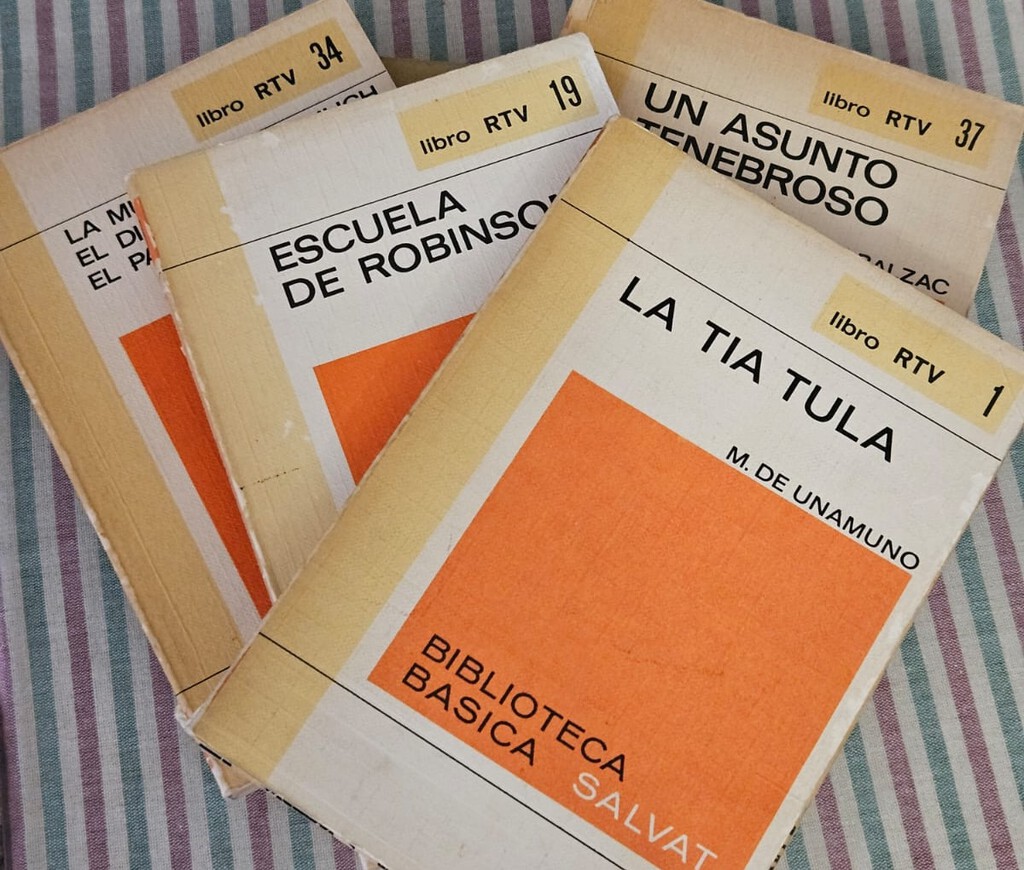
The competition was won by a joint proposal from two very different companies: Salvat Editores, founded in Barcelona in 1869 with decades of experience as an encyclopedia publisher, and Alianza Editorial, a newcomer founded in 1966. This partnership combined Salvat's distribution muscle with Alianza's fresh literary vision.
Design and Distribution: Accessible and Affordable
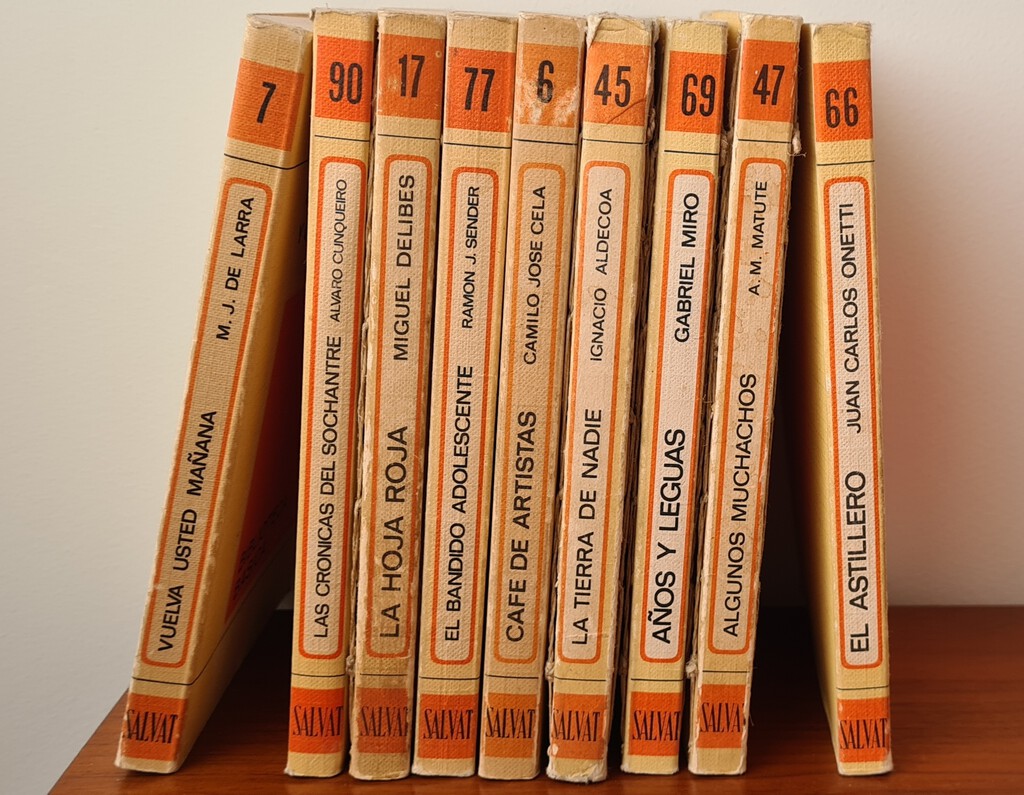
The Biblioteca Salvat RTV was aesthetically unmistakable. The books had paperback covers in light tones without photos or illustrations, printed on low-quality paper with very rough binding. Despite the modest production values, the collection was a hit, sold at newsstands across the country.
Its affordability and wide availability made it accessible to a broad audience, from students to housewives, helping to democratize access to classic and contemporary works. The collection included a mix of Spanish and international authors, covering genres from novels to philosophy.
Key Features of the Collection
- 100 volumes covering literature, essays, and classics.
- Government-backed with RTVE branding.
- Sold at newsstands for widespread reach.
- Affordable price to encourage mass readership.
- Distinctive design with plain covers and cheap paper.
Cultural Impact: A Shared Reading Experience
The Biblioteca Salvat RTV is often cited as the most shared cultural object in Spain's recent history. It brought works by authors like Cervantes, García Lorca, and international figures such as Dostoevsky and Kafka into countless homes. For many Spaniards, these books were their first exposure to classic literature. Context on how this played out before sits in Biblioteca Salvat RTV: The 1969 Spanish Book Collection.
The collection also reflected the cultural policies of the Franco regime, which sought to promote a certain vision of Spanish identity while also modernizing the country's image abroad. By partnering with RTVE, the government aimed to control and disseminate culture, but the result was a more diverse literary landscape than perhaps intended. The background to this story is set out in Trending: latest articles. A related thread runs through Renta 2025 by Phone: Key Dates and How to Book Your Appointment.
Comparison with Other Book Clubs
| Collection | Year | Number of Volumes | Copies Sold (approx.) |
|---|---|---|---|
| Biblioteca Salvat RTV | 1969 | 100 | 30 million |
| Biblioteca Básica Salvat | 1970s | 100+ | Unknown |
| Circulo de Lectores | 1962 | Varies | Millions |
Legacy and Continued Relevance
Today, the Biblioteca Salvat RTV is remembered with nostalgia by many Spaniards. The books are collectors' items, and the collection is a testament to the power of affordable, accessible literature. It also serves as a case study in how government and private enterprise can collaborate to shape cultural consumption. Earlier coverage in Agustín de Betancourt: The Exiled Engineer Who Shaped Modern St. Petersburg shows how the argument developed. A closer look at the same subject appears in King Charles III's Forbidden Map of South America: Too Accurate.
For those interested in Spanish cultural history, the Biblioteca Salvat RTV offers a window into the Franco era's attempts to influence society through literature. It also highlights the role of television in promoting reading, a precursor to modern multimedia campaigns. Anyone following the wider picture can start with Spain's Oldest Train Line Still Runs After 180 Years. The same theme surfaces in Georgi Gospodinov's The Man With Many Names: A Review of Playful, which takes a different angle.
FAQ
What was the Biblioteca Salvat RTV?
The Biblioteca Salvat RTV was a collection of 100 books published in 1969 by Salvat Editores and Alianza Editorial, with backing from the Spanish government and RTVE. It aimed to bring literature and essays to a mass audience at affordable prices.
How many copies did the Biblioteca Salvat RTV sell?
The collection sold more than 30 million copies, making it one of the most widely distributed book collections in Spanish history.
Who initiated the Biblioteca Salvat RTV?
The project was initiated by the Ministry of Information and Tourism, led by Manuel Fraga, which organized a competition among publishers. Salvat Editores and Alianza Editorial won the bid.
Why is the Biblioteca Salvat RTV culturally significant?
It democratized access to literature in Spain, introducing many readers to classic and contemporary works. It is remembered as a shared cultural experience and a symbol of the era's modernization efforts.
Browse the Shop
 Acacia frida deluxe solid wood bed frame |
Bedroom bench |
Bed chest drawers |
Lingerie dresser |
Frame base |
Mirror with jewelry storage |
30 Bathroom Vanity |
Memory foam queen mattress |
Mattresses for back pain |
Nightstand set of 2 |
Grand Goldman Shop |
Civil Lawyer
Deutschland Trikot WM 2026







