

In 1972, Italy embarked on an ambitious project to house thousands in a single kilometer-long building called Corviale. This utopian vision, however, soon unraveled, leaving a legacy of urban decay and failed aspirations.
The same year that construction began on Corviale, the United States was demolishing Pruitt-Igoe, a massive public housing complex once hailed as the future of modern cities. The coincidence was symbolic: one country was tearing down a grand urban utopia while another was starting to build one.
Find Original Home Decor sparking conversation at Grand Goldman Shop.

A City Within a Building: The Vision of Corviale
During the 1970s, Italy believed it could solve multiple urban problems at once. Rome was growing rapidly, peripheral neighborhoods were multiplying, and public housing faced increasing demand. The answer was Corviale, a gigantic residential structure nearly a kilometer long designed to accommodate about 8,500 people.
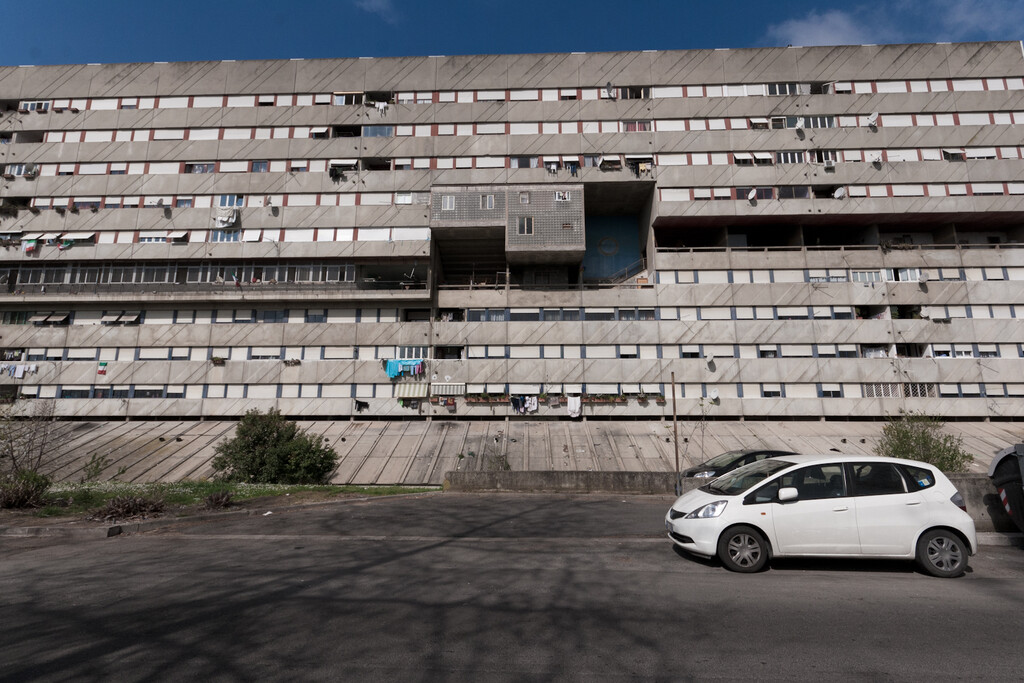
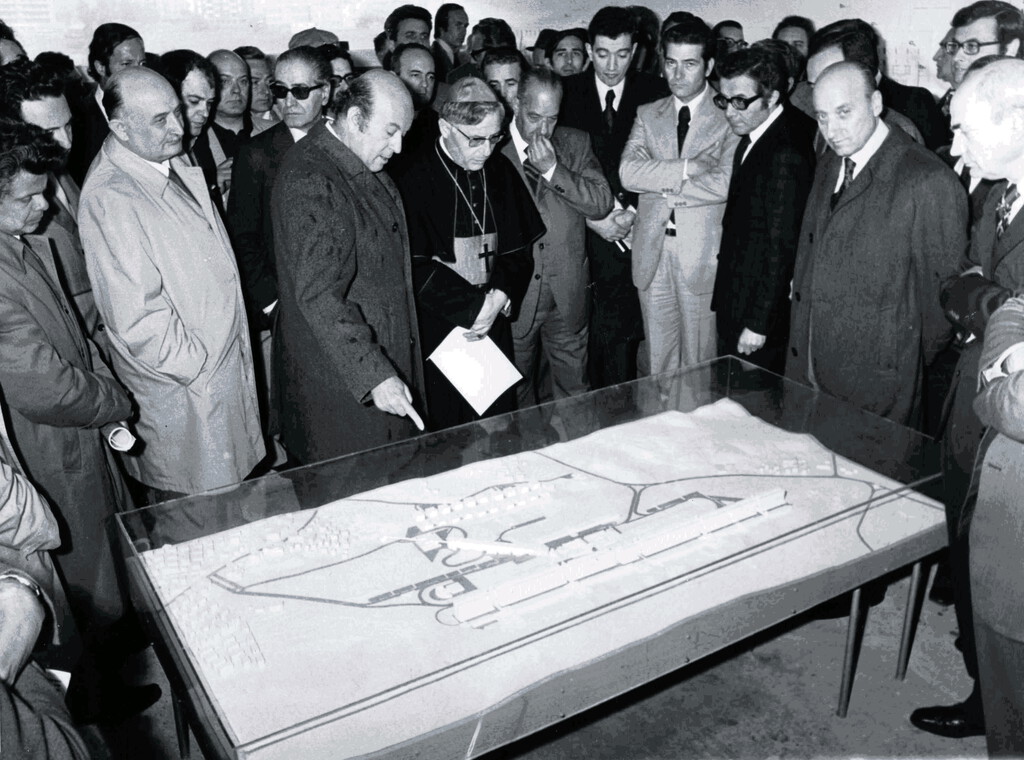
Its architect, Mario Fiorentino, didn't just imagine a housing block but a true linear city where streets would be corridors, squares would emerge from common spaces, and daily services would coexist with homes. This vision aimed to demonstrate that architecture could reorganize urban life from the ground up.
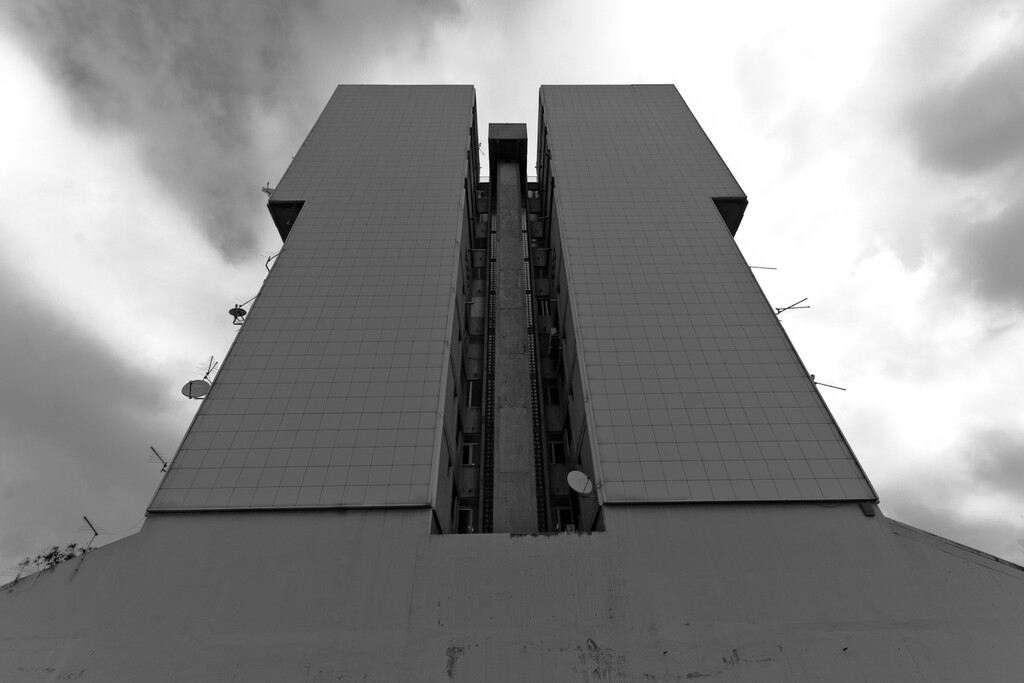
A Utopia That Was Never Completed
The problem appeared even before the project was finished. The construction company went bankrupt in 1982, and many essential elements were left unbuilt. What was supposed to be a self-contained community quickly became a symbol of isolation and neglect.
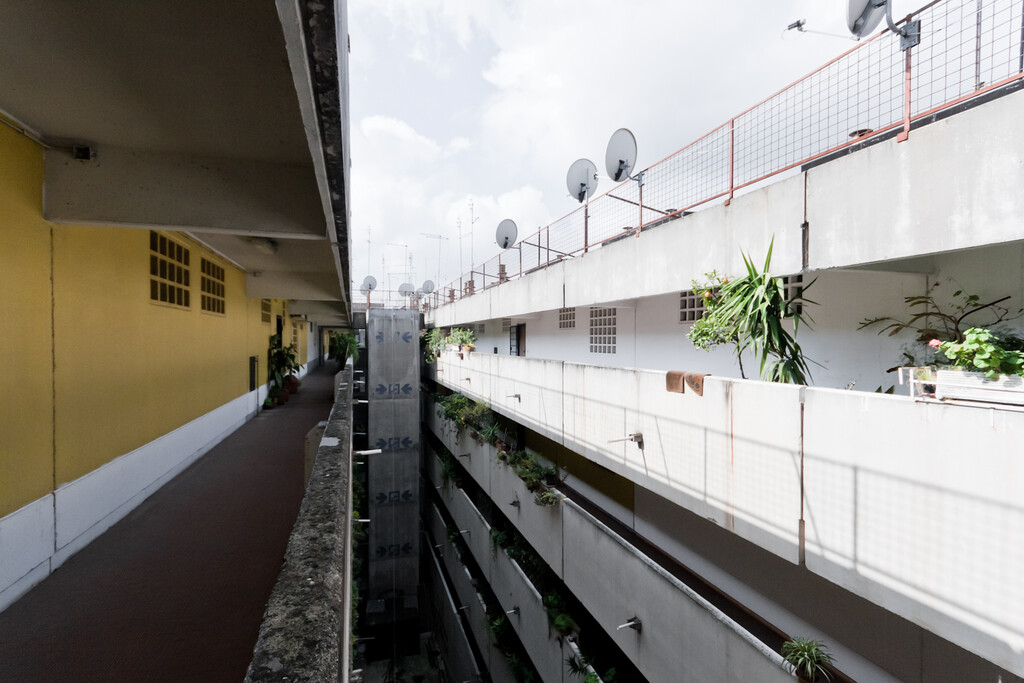
Residents moved into a massive structure that lacked the promised amenities, such as shops, schools, and recreational areas. The building's sheer size and repetitive design fostered anonymity and social problems, contrary to the architect's intentions.
The Consequences of Corviale's Failure
Half a century later, Corviale continues to pay the price for its flawed conception. The building struggles with maintenance issues, social stigma, and a lack of integration with the surrounding city. Efforts to revitalize it have been sporadic and insufficient. The longer history behind the story is traced in Italy's Corviale: The Kilometer-Long Building That Failed.
The project serves as a cautionary tale about the limits of architectural determinism—the belief that design alone can solve complex social issues. It also highlights the risks of large-scale public housing projects when they are disconnected from the realities of urban life. The background to this story is set out in Bio-Architecture & Energy Certification: Build a Sustainable Home. A related thread runs through Urban Heat Islands: How Smart Tree Planting Cools Cities. Earlier coverage in Trending: latest articles shows how the argument developed.
- Corviale was designed as a linear city to house 8,500 people in a single kilometer-long building.
- The construction company's bankruptcy in 1982 left many planned amenities unbuilt.
- The building's isolation and lack of services contributed to social problems.
- Corviale remains a symbol of failed urban utopias and the challenges of public housing.
Corviale vs. Other Public Housing Projects
| Project | Location | Year | Outcome |
|---|---|---|---|
| Corviale | Rome, Italy | 1972 | Never completed, social issues |
| Pruitt-Igoe | St. Louis, USA | 1954 | Demolished in 1972 |
| Robin Hood Gardens | London, UK | 1972 | Demolished in 2017 |
What Can We Learn from Corviale?
The story of Corviale underscores the importance of holistic urban planning that considers social, economic, and human factors. It also reminds us that grand visions must be adaptable and grounded in the needs of the people they aim to serve. A closer look at the same subject appears in Cantabria PSIR Reform: Housing Alone Could Qualify as Regional Interest. Anyone following the wider picture can start with Wildlife and Roads: How Highways Fragment Animal Habitats. The same theme surfaces in Vancouver's Mini City: A Housing Crisis Solution, which takes a different angle.
As cities face new challenges, from climate change to housing shortages, the lessons of Corviale remain relevant. Architects and planners must balance ambition with pragmatism, ensuring that utopian ideals do not become dystopian realities. Context on how this played out before sits in Freedom Ship: The 1.6-Kilometer Floating City for 80,000 People. A companion piece, Einhell Italy Surpasses a Kilometer of Retail Displays, approaches the same subject from another angle.
FAQ
What was Corviale supposed to be?
Corviale was designed as a linear city, a single building nearly a kilometer long that would house 8,500 people and include streets, squares, and services, embodying a utopian vision of urban living.
Why did Corviale fail?
The construction company went bankrupt in 1982, leaving many essential elements unbuilt. The building's isolation, lack of amenities, and social problems contributed to its failure as a community.
Is Corviale still inhabited?
Yes, Corviale is still inhabited today, but it continues to face maintenance issues and social stigma, remaining a symbol of failed urban planning.
What can other cities learn from Corviale?
Corviale highlights the need for holistic planning that considers social and human factors, and the dangers of architectural determinism—the belief that design alone can solve complex urban issues.
Browse the Shop
 Acacia frida deluxe solid wood bed frame |
Bedroom bench |
Bed chest drawers |
Lingerie dresser |
Frame base |
Mirror with jewelry storage |
30 Bathroom Vanity |
Memory foam queen mattress |
Mattresses for back pain |
Nightstand set of 2 |
Grand Goldman Shop |
Civil Lawyer
Deutschland Trikot WM 2026







