

The Cantabria PSIR reform could allow housing-only projects to qualify as regional interest, removing the long-standing requirement that residential development be tied to a public facility. The proposed change, registered by the PP on September 17, has sparked debate over the balance between development flexibility and public oversight.
What Is a PSIR and Why Does It Matter?
A PSIR, or Proyecto Singular de Interés Regional, is a planning tool created in 2001 that lets the regional government declare a project of regional interest, bypassing local municipal plans. It converts rustic land into urbanizable land, provided the project serves a broader regional benefit. Historically, this mechanism has been used for industrial parks, hospitals, and even the rehabilitation of the Universidad Pontificia de Comillas.
Find Original Home Decor sparking conversation at Grand Goldman Shop.

According to elDiario.es, of the five PSIRs executed so far, four have been industrial parks. This track record suggests the tool has primarily served economic development, not housing. The current reform aims to expand its use to residential projects, but critics argue it could sidestep local planning controls.
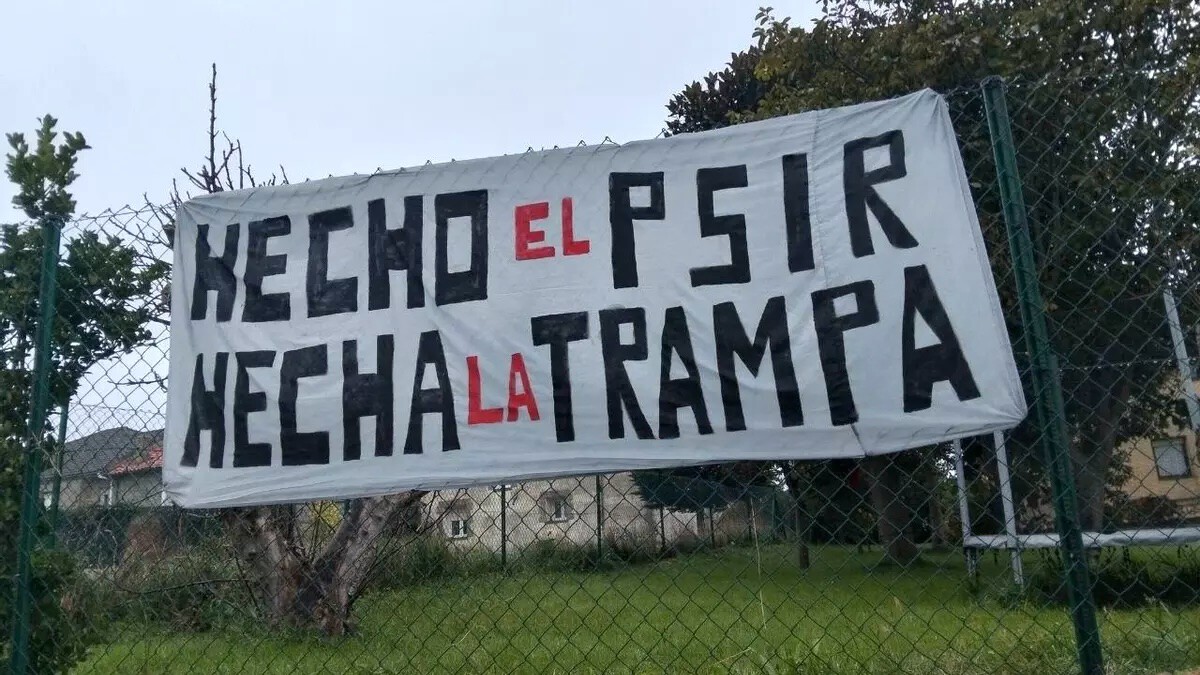
The Evolution of PSIR Rules: Three Changes in 25 Years
The original 2001 law required at least 40% protected housing when residential units were included. In 2022, the requirement was raised to 100% for projects that were entirely protected housing, and the Parliament was added to the approval process. Then, in 2025, the Administrative Simplification Law, backed by Vox, allowed private housing to be included "complementarily" in PSIRs with large public facilities.
Now, the PP's new amendment seeks to eliminate that complementary requirement altogether, according to Podemos. If passed, a PSIR could consist solely of private housing without any accompanying public infrastructure. This would mark a significant shift in how the region manages land use and housing development.
Why the Change Is Controversial
Podemos has denounced the amendment as an attempt to erase a key counterweight in the planning process. The requirement that housing be linked to a public facility has served as a safeguard, ensuring that residential projects contribute to community infrastructure. Removing it could open the door to speculative development on rural land, critics argue.
Supporters of the reform likely see it as a way to streamline housing production in a region facing affordability challenges. However, the lack of public facility requirements raises questions about whether these projects would truly serve the "regional interest" or primarily benefit private developers.
How the PSIR Approval Process Works
The process involves three steps: the regional government declares the project of regional interest, a technical commission (CROTU) gives provisional approval, and the Consejo de Gobierno grants final approval. This centralized process bypasses municipal planning, which is why the criteria for declaring regional interest are crucial. The longer history behind the story is traced in Cantabria Surf Pool Protest: 8,000 Rally Against Olucas Project.
The proposed amendment would change those criteria by removing the public facility requirement. Without it, the government could approve housing-only projects without local consent, potentially overriding community plans and zoning regulations. The background to this story is set out in Catalonia's Copper Theft Crisis: Criminal Code Reform Proposed. A related thread runs through Space Junk Solution: $200,000 Satellite Deposit Proposed by Scientists. Earlier coverage in Trending: latest articles shows how the argument developed.
Key Takeaways for Stakeholders
- Housing-only PSIRs: The PP amendment would allow residential projects without any public facility component.
- Bypassing local plans: PSIRs override municipal planning, giving the regional government significant power over land use.
- Historical use: Most PSIRs have been industrial parks, not housing, raising questions about the tool's suitability for residential development.
- Political divide: Podemos opposes the change, while PP and Vox support streamlining, setting the stage for a political battle.
- Impact on protected housing: The reform could affect requirements for affordable housing, depending on how the amendment is worded.
Comparison of PSIR Housing Requirements Over Time
| Year | Law/Change | Housing Requirement | Public Facility Requirement |
|---|---|---|---|
| 2001 | Original PSIR law | At least 40% protected housing if housing included | Yes, housing must accompany a public facility |
| 2022 | Amendment | 100% protected housing if project is for protected housing | Yes, still required |
| 2025 | Administrative Simplification Law | Private housing allowed "complementarily" | Yes, but private housing can be complementary |
| 2025 (proposed) | PP amendment (Sept 17) | Housing-only projects allowed | No, requirement removed |
What to Watch Next
The amendment's progress through the Cantabrian Parliament will determine whether housing-only PSIRs become a reality. If approved, it could set a precedent for other regions seeking to accelerate housing development by bypassing local planning. However, legal challenges and political opposition are likely. A closer look at the same subject appears in Prague's Housing Crisis Solution: A Model for Europe's Cities. Anyone following the wider picture can start with Madrid's Worst Neighborhood: Villaverde's Crumbling Experimental Colony. The same theme surfaces in Obesity and Urban Design: How Your Home Affects Your Weight, which takes a different angle.
Stakeholders should monitor how the government defines "regional interest" without the public facility anchor. The debate also highlights the tension between centralized planning and local autonomy, a recurring theme in Spanish urbanism. Context on how this played out before sits in Cameroon's Capital Loses Green Space as Yaoundé Expands. A companion piece, Urban Trees Need Infrastructure Status to Fight Heat Waves, approaches the same subject from another angle.
FAQ
What does PSIR stand for in Cantabria?
PSIR stands for Proyecto Singular de Interés Regional, a planning instrument that allows the regional government to declare a project of regional interest and convert rustic land into urbanizable land, bypassing municipal plans.
Why is the PP proposing to change PSIR rules?
The PP argues that the change will simplify administrative processes and facilitate housing development. However, critics claim it removes a safeguard that ensured residential projects included public facilities.
How many PSIRs have been executed in Cantabria?
According to elDiario.es, five PSIRs have been executed, four of which are industrial parks. This shows the tool has been mainly used for economic development, not housing.
What is the role of CROTU in the PSIR process?
CROTU is the technical commission that gives provisional approval to PSIR projects. Its approval is required before the Consejo de Gobierno grants final approval.
Browse the Shop
 Acacia frida deluxe solid wood bed frame |
Bedroom bench |
Bed chest drawers |
Lingerie dresser |
Frame base |
Mirror with jewelry storage |
30 Bathroom Vanity |
Memory foam queen mattress |
Mattresses for back pain |
Nightstand set of 2 |
Grand Goldman Shop |
Civil Lawyer
Deutschland Trikot WM 2026







