

Obesity and urban design are more connected than most people realize. For centuries, cities grew to protect inhabitants from epidemics, fires, or floods. What no one imagined is that they would also end up influencing something as everyday as body weight. Today, one of the ideas that generates the most consensus among urban planners and epidemiologists is that the place where we live silently conditions thousands of daily decisions. The most striking proof came from an American city that, while trying to combat obesity, ended up demonstrating that urban design can be almost as important as diet.
Your Home Was Never Just a Home
When we think of a home, we usually focus on its size, price, or number of rooms. However, for those who study cities, a home is also everything that surrounds it. It's the distance to the supermarket, the existence of a sidewalk, the possibility of walking children to school, the proximity of a park, or the ease of crossing an avenue.
Find Original Home Decor sparking conversation at Grand Goldman Shop.

Yes, these may seem like insignificant details on their own, but they end up determining how we move every day. For decades, little attention was paid to this relationship between urban planning and health. In fact, obesity was addressed almost exclusively through diet and physical exercise, while the environment where millions of people lived remained outside the conversation.
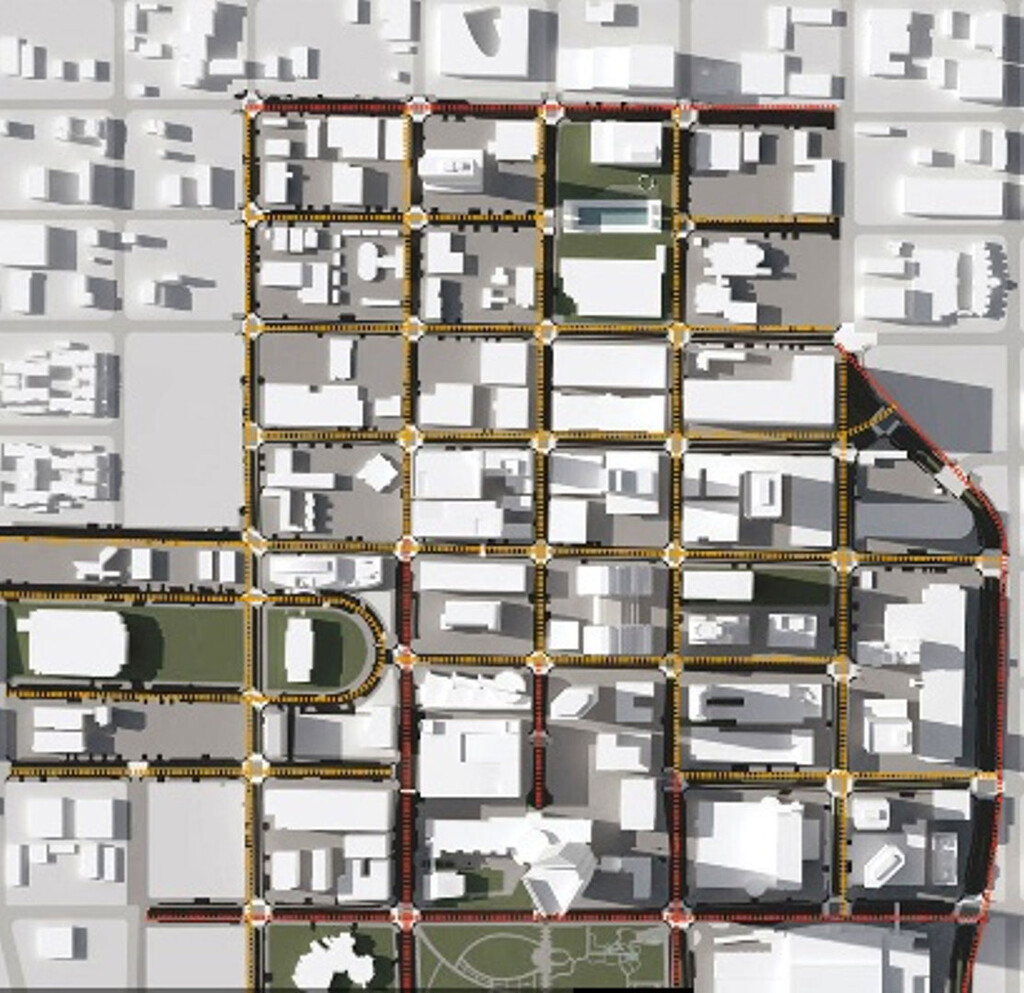
Cities Built for Cars
The rise of the automobile shaped cities in ways that still affect our waistlines. Suburban sprawl, wide roads without safe crossings, and zoning that separates residential areas from commercial ones have made driving the default option for many. This car-centric design reduces opportunities for incidental physical activity, such as walking to the store or biking to work.
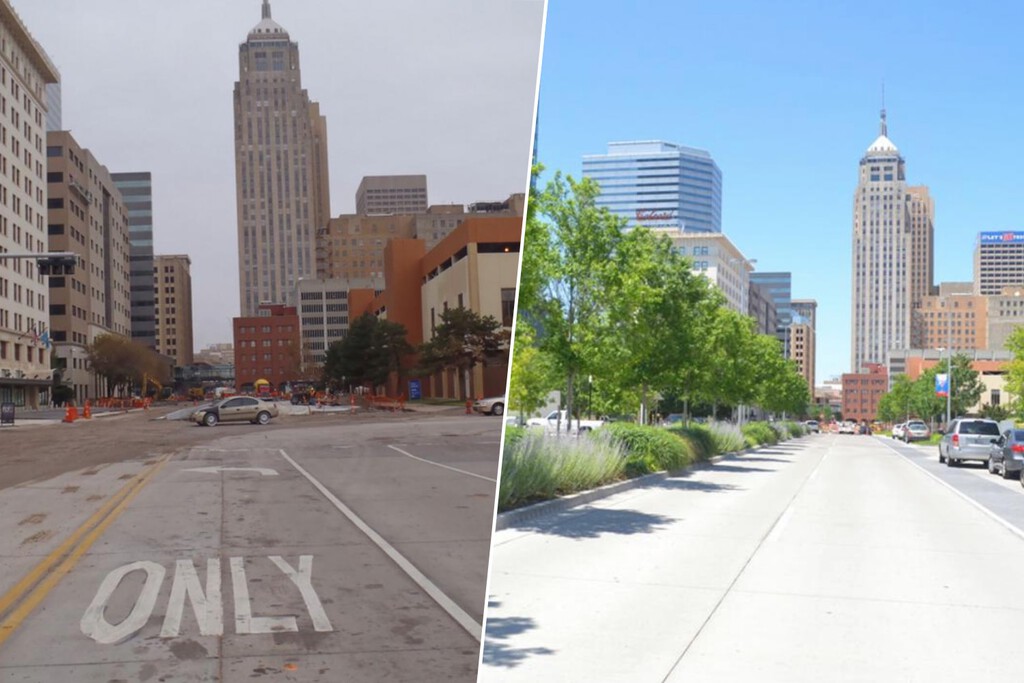
Research has shown that neighborhoods with poor walkability are associated with higher rates of obesity. When there are no sidewalks, parks, or nearby shops, people rely on their cars even for short trips. Over time, these small decisions add up and contribute to weight gain.
The Science Behind the Suspect
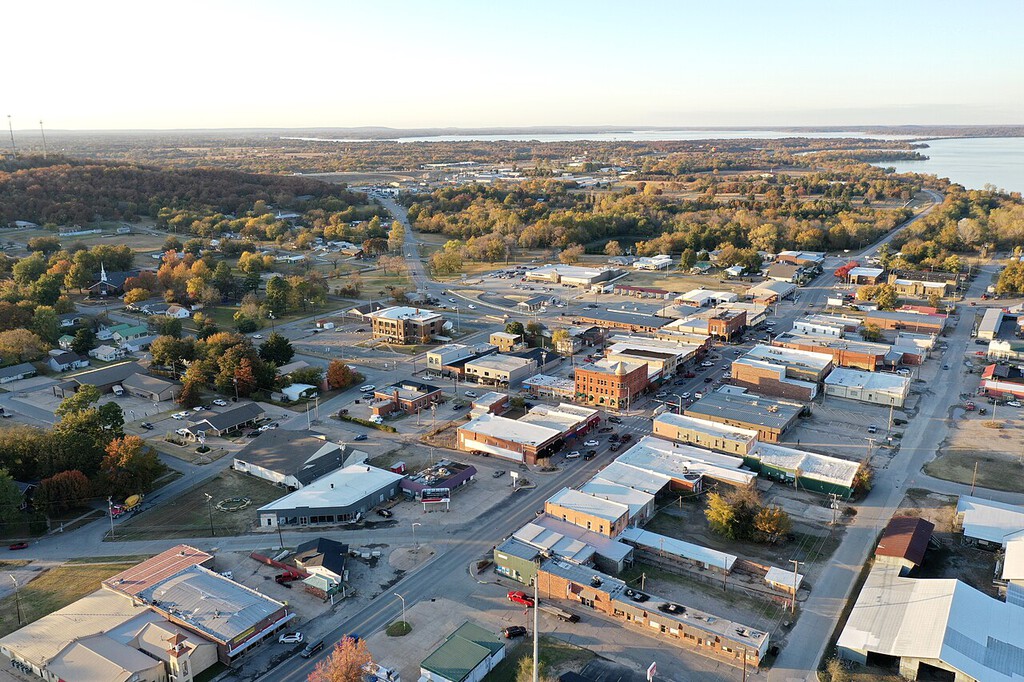
One of the most compelling pieces of evidence comes from a study in an American city that aimed to reduce obesity. Instead of focusing solely on individual behavior, researchers examined the built environment. They found that residents in neighborhoods with greater walkability, access to healthy food, and recreational spaces had lower obesity rates, even after controlling for income and education.
This suggests that the environment can either support or hinder healthy choices. It's not just about willpower; it's about whether the healthy choice is the easy choice. For example, if fresh produce is miles away but fast food is around the corner, the environment is nudging residents toward unhealthy eating.
Key Takeaways: How Urban Design Affects Weight
- Walkability matters: Neighborhoods with sidewalks, safe crossings, and nearby destinations encourage walking and cycling.
- Food access shapes diets: Living close to supermarkets and farmers markets increases the likelihood of healthy eating.
- Parks and recreation: Access to green spaces and playgrounds promotes physical activity for all ages.
- Car dependency: Sprawling areas with poor public transit force reliance on cars, reducing daily movement.
- Social environment: Safe, connected communities foster outdoor play and social interaction, which can support healthy lifestyles.
What This Means for You and Your Community
Understanding the link between urban design and obesity has real implications. It means that tackling obesity isn't just about telling people to eat less and move more; it's about creating environments that make healthy choices accessible. For individuals, it may mean advocating for better sidewalks, community gardens, or safe parks.
For policymakers, it highlights the need to integrate health considerations into urban planning. Simple changes like adding bike lanes, improving public transit, or incentivizing grocery stores in food deserts can have a lasting impact. The goal is to design cities that default to health, not disease. The longer history behind the story is traced in China's Hukou System: The Invisible Border Affecting 358 Million People.
Comparing Neighborhood Features and Health Outcomes
The table below summarizes how different neighborhood characteristics can influence weight-related behaviors and outcomes. The background to this story is set out in Weight Loss Is Not Just Willpower: Your Body Remembers Obesity. A related thread runs through Urban Design Trends: Reclaiming Car-Centric Spaces in Europe. Earlier coverage in Pet Obesity in Parrots: How Bud the Parrot Lost Weight and Thrived shows how the argument developed.
| Neighborhood Feature | Impact on Physical Activity | Impact on Diet | Overall Obesity Risk |
|---|---|---|---|
| High walkability (sidewalks, trails) | Increases walking and cycling | Indirect: may increase access to diverse food outlets | Lower |
| Proximity to supermarkets | Minimal direct effect | Increases access to fresh produce | Lower |
| Fast food density | No effect | Increases consumption of high-calorie foods | Higher |
| Access to parks and green spaces | Encourages outdoor recreation | May support community gardens | Lower |
| Car-dependent sprawl | Reduces incidental movement | May limit food choices to convenience stores | Higher |
What to Watch Next
As research evolves, expect to see more cities adopting health-focused design guidelines. The concept of health impact assessments for new developments is gaining traction. Also, the COVID-19 pandemic highlighted the importance of accessible outdoor spaces, which may accelerate investment in parks and pedestrian infrastructure. A closer look at the same subject appears in Ultra-Processed Food Targeted to Reduce Obesity in Britain. Anyone following the wider picture can start with Obesity Prevention Policy Must Override Food Industry Pressure. The same theme surfaces in Obesity Crisis: How Food Industry Greed Fuels Health Risks, which takes a different angle.
Ultimately, the science points to an uncomfortable truth: our homes and neighborhoods are powerful forces in the obesity epidemic. Recognizing this can lead to more effective solutions and healthier communities for everyone. Context on how this played out before sits in Fast Food Near Schools Ban: MPs Push for Obesity Action. A companion piece, Obesity Prevention: Why Public Health Must Trump Food Industry Lo, approaches the same subject from another angle.
FAQ
How does urban design contribute to obesity?
Urban design affects obesity by influencing daily physical activity and food choices. For example, neighborhoods without sidewalks or parks discourage walking, while areas with many fast-food outlets and few grocery stores promote unhealthy eating. These environmental factors can make healthy choices harder to make.
Can moving to a walkable neighborhood help with weight loss?
Moving to a more walkable neighborhood can support weight loss by increasing opportunities for physical activity. However, weight loss also depends on diet and other factors. A walkable environment makes it easier to incorporate exercise into daily routines, which can contribute to weight management over time.
What can individuals do to advocate for healthier urban design?
Individuals can attend city council meetings, join community groups, and support policies that promote walkability, public transit, and access to healthy food. They can also raise awareness about the link between urban design and health by sharing research and personal stories with neighbors and local officials.
Is obesity mainly caused by lack of willpower?
No, obesity is not mainly caused by lack of willpower. Research shows that environmental factors, genetics, and socioeconomic conditions play significant roles. While personal responsibility matters, the environment often shapes the choices available, making it harder for some people to maintain a healthy weight.







